Select your top priority to find the best oven cleaning method for your situation.
Recommended Method
Why this works for you:
When your oven smells like burnt pizza and the racks are coated in stubborn crust, you need a best oven cleaning hack that actually works without breaking the bank.
Why Oven Grime Is a Real Problem
Even a light sprinkle of flour can turn into a greasy nightmare once it mixes with oil and splatters during baking. Over time, the residue caramelizes, hardens, and becomes a breeding ground for smoke and bad odors. Ignoring it means higher energy use, uneven cooking, and a longer lifespan for your appliance.
Top DIY Oven Cleaning Hacks
Below are the most effective, low‑cost hacks that homeowners swear by. Each one targets a different type of grime.
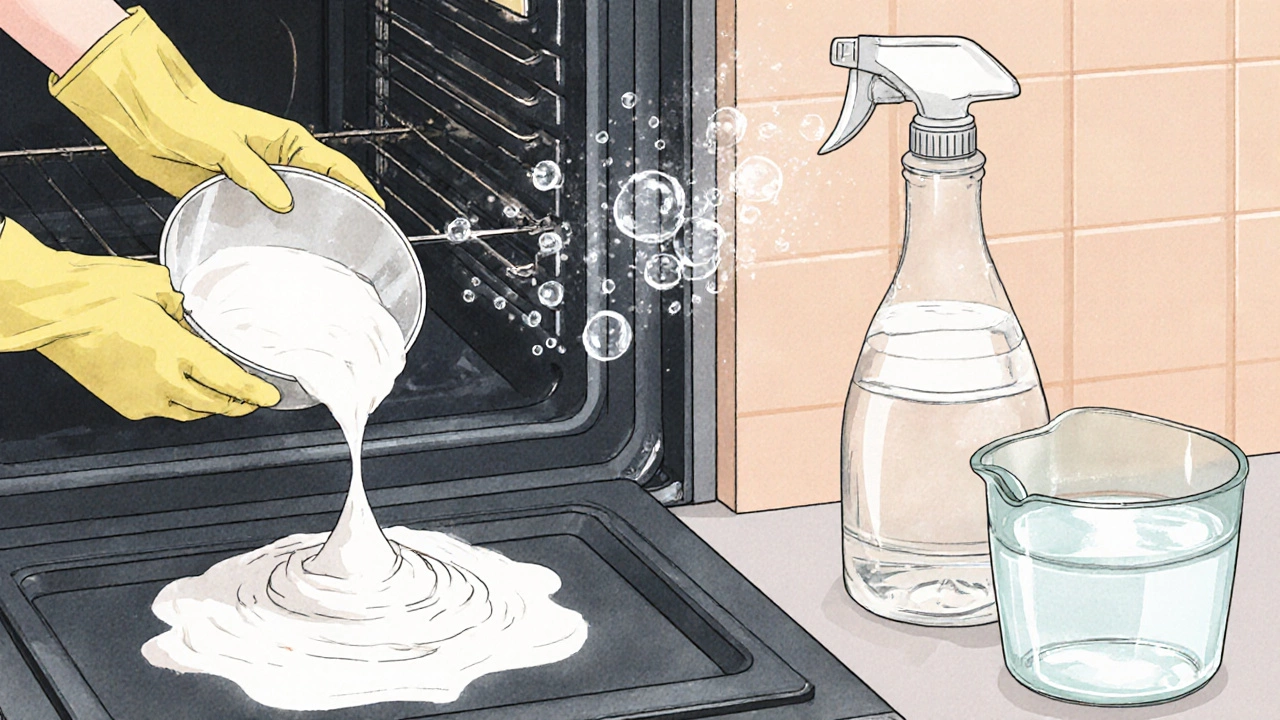
Baking sodaa mildly alkaline powder that breaks down greasy films - ideal for baked‑on spills.
White vinegaracidic liquid that cuts through mineral deposits and cuts odor - perfect for finishing rinses.
Lemon juicenatural citrus acid that adds a fresh scent while loosening grime - great for light stains.
Commercial oven cleanera strong solvent formulated for tough carbon buildup - use sparingly and ventilate well.
Self‑cleaning oven cyclehigh‑heat mode that incinerates residues into ash - best for ovens with this feature.
Ammoniaa powerful degreaser, but needs careful handling - reserve for the toughest cases.
Hydrogen peroxideoxidizer that lifts stains without harsh fumes - safe for metal racks.
Step‑by‑Step Guide for the Most Popular Hack: Baking‑Soda Paste
Mix ½ cup Baking soda with enough water to form a thick paste.
Spread the paste over the interior surfaces, avoiding heating elements.
Let it sit overnight (8‑12 hours). The alkaline action softens the hardened grease.
Wipe with a damp cloth, then spray White vinegar onto any remaining residue. It will fizz, helping lift the paste.
Rinse with a clean, wet sponge and dry with a soft towel.
Comparison of the Top 5 Hacks
Effectiveness, safety, and cost of common oven cleaning hacks
Hack
Effectiveness*
Safety Rating (1‑5)
Cost (USD)
Best For
Baking‑soda + vinegar
High
5
0.50
Regular maintenance
Lemon juice
Medium
5
0.30
Light spills, fresh scent
Commercial oven cleaner
Very High
3
6‑10
Severe carbon build‑up
Self‑cleaning cycle
Very High
5
0 (energy cost only)
Built‑in feature users
Ammonia soak
High
2
0.70
Stubborn grease, experienced users
*Effectiveness based on user reports and independent testing (2024).
Safety Tips & Common Pitfalls
Always wear gloves when handling Ammonia or strong commercial cleaners.
Never mix bleach with ammonia or vinegar - it creates toxic gases.
Test any liquid on a small, hidden area first to ensure it won’t damage the coating.
Ventilate the kitchen by opening windows or running an exhaust fan, especially when using >strongCommercial oven cleaners.
For the self‑cleaning cycle, remove foil trays and any plastic accessories to avoid fire hazards.
Keeping Your Oven Clean Longer
Prevention beats deep cleaning every time. Here are quick habits that keep grime at bay:
Place a silicone baking mat on the lowest rack when roasting. It catches drips.
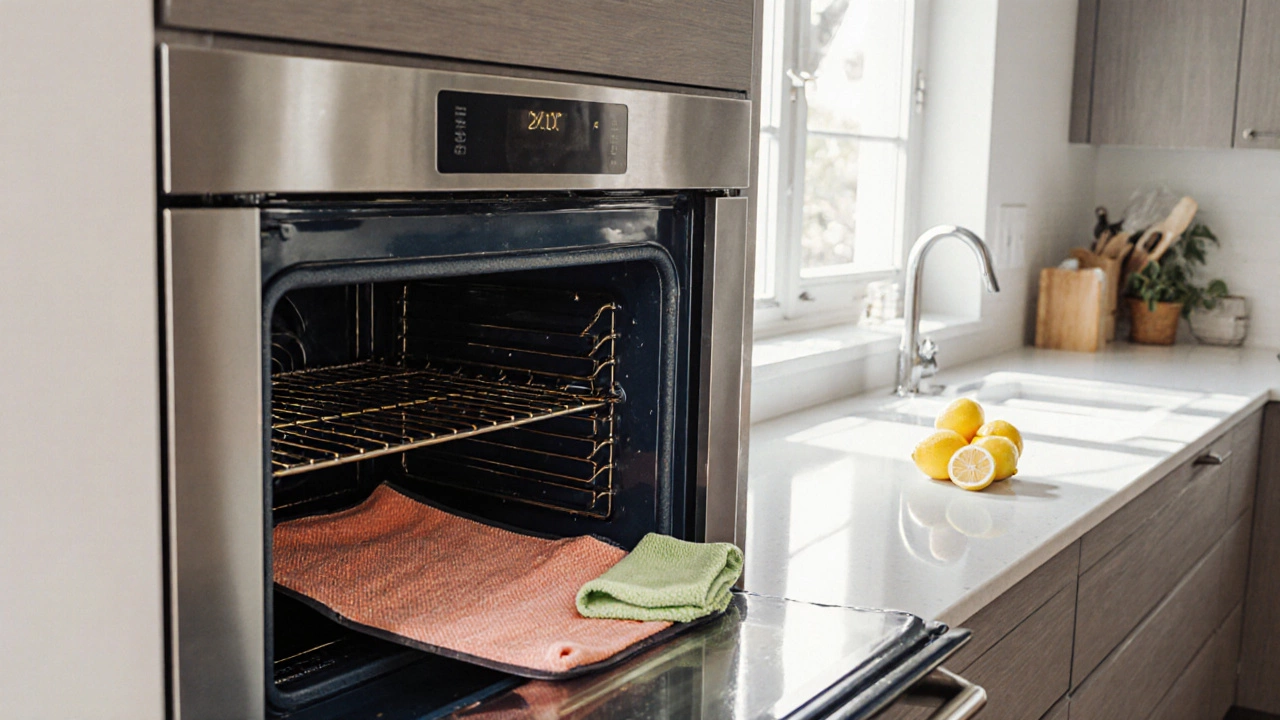
Wipe spills as soon as the oven cools - a damp cloth is enough.
Run a 15‑minute low‑heat “warm‑up” after heavy use to evaporate moisture.
Season your oven racks with a thin coat of cooking oil once a month; it reduces sticking.
When DIY Isn’t Enough
If you notice black smoke, a persistent foul odor, or the heating element looks discolored, it’s time to call a professional. They have industrial‑grade tools that can restore safety certifications and prevent fire risks.