Waking up to a fresh, clean bed feels like a luxury. But if your mattress is covered in sweat stains, old spills, or just feels grimy, that luxury turns into a chore you’d rather avoid. The big question on everyone’s mind is: can you really tackle this job yourself, or do you need to call in the pros?
The short answer is yes. You can absolutely clean a mattress yourself. In fact, doing it yourself is often cheaper and gives you more control over the chemicals you use on your sleep surface. However, there is a right way and a wrong way to do it. Messing up can lead to mold growth deep inside the foam or springs, which is a nightmare to fix.
This guide will walk you through exactly how to deep clean your mattress at home. We’ll cover everything from stripping the sheets to removing tough stains and killing hidden allergens. By the end, you’ll know whether your mattress deserves a professional touch or if your weekend toolkit is enough.
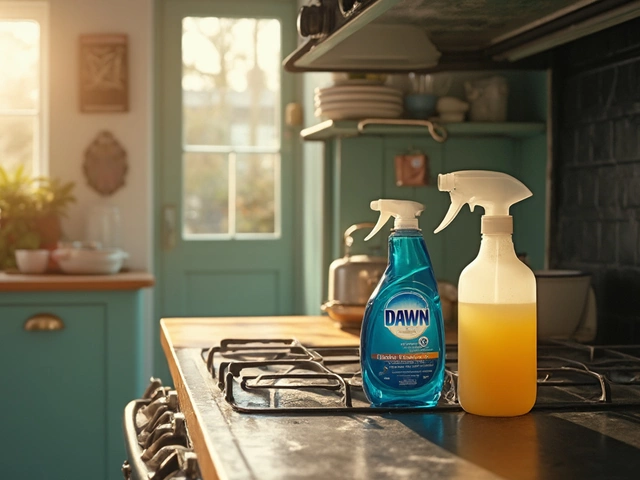
You don’t need expensive equipment to get good results. Most of what you need is probably already in your kitchen or laundry room. Having these items ready before you start ensures you won’t be running back and forth while the cleaning solution dries.
If you have severe allergies, consider wearing a mask while vacuuming. Dust mites and their waste products become airborne when you disturb the mattress surface, and breathing them in isn’t pleasant.
Start by stripping the bed completely. Take off all sheets, pillowcases, and mattress protectors. Wash these in hot water to kill any bacteria or dust mites clinging to them. While they wash, turn your attention to the bare mattress.
Flip the mattress over if it’s double-sided. If it’s single-sided, just work on the top. Now, grab your vacuum. Don’t just run it over quickly. Go slow. Use the upholstery attachment to dig into the seams and tufts. Dust mites, dead skin cells, and hair love to hide in those crevices. Spend at least five minutes on each side. Pay special attention to the edges where the mattress meets the box spring or frame.
If you have a steam cleaner, this is also a good time to use it lightly. Steam kills dust mites and bacteria effectively. However, be careful not to soak the mattress. Moisture is the enemy here. We want surface cleaning, not deep saturation.
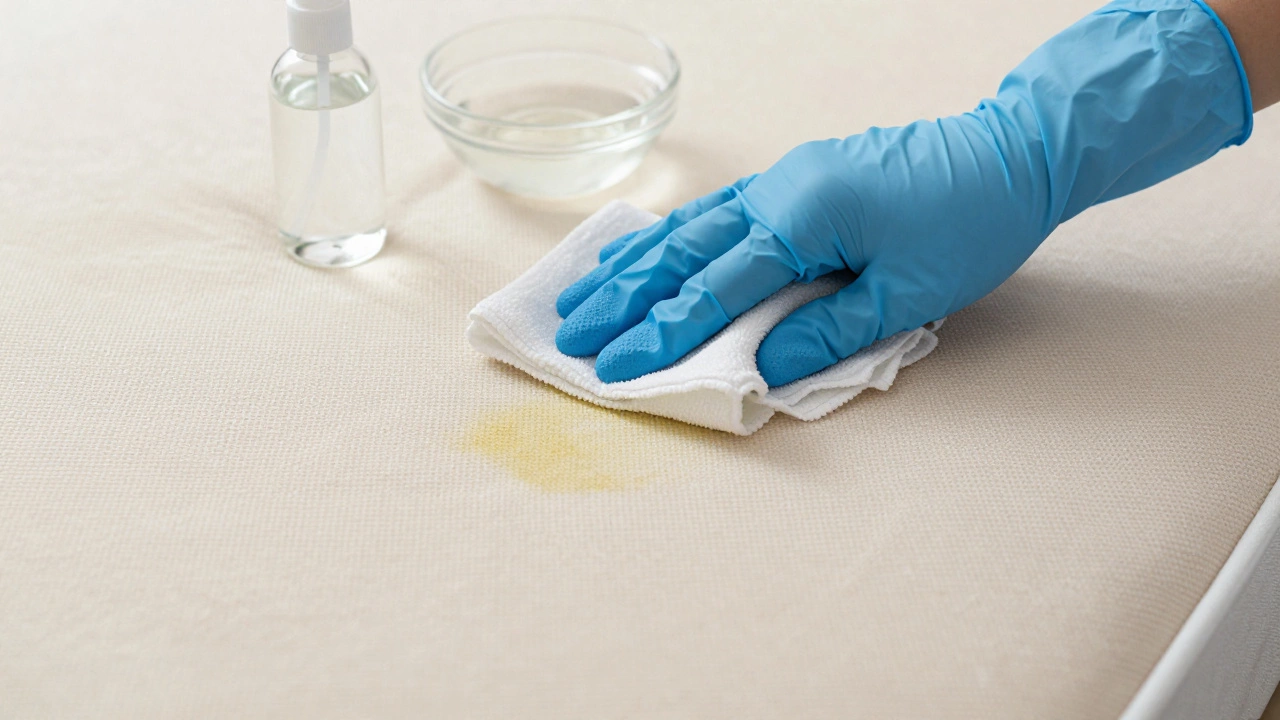
Once the loose dirt is gone, look for stains. Different stains require different approaches. Using the wrong method can make things worse. For example, using hot water on a blood stain will cook the proteins and set the stain permanently.
| Stain Type | Best Solution | Method |
|---|---|---|
| Blood | Cold water + Salt | Blot with cold water. Sprinkle salt to draw out moisture. Repeat until faded. |
| Sweat/Yellowing | Hydrogen Peroxide + Dish Soap | Mix 1 part dish soap with 3 parts hydrogen peroxide. Spray lightly, let sit for 5 minutes, then blot. |
| Pet Urine | Enzyme Cleaner | Apply enzyme cleaner according to label. Let it sit long enough to break down uric acid crystals. |
| General Dirt | Vinegar + Water | Equal parts white vinegar and cold water. Spray lightly and blot with a microfiber cloth. |
The golden rule for all stains is: blot, don’t rub. Rubbing pushes the stain deeper into the foam layers. Always test your cleaning solution on a small, inconspicuous area first to ensure it doesn’t discolor the fabric.
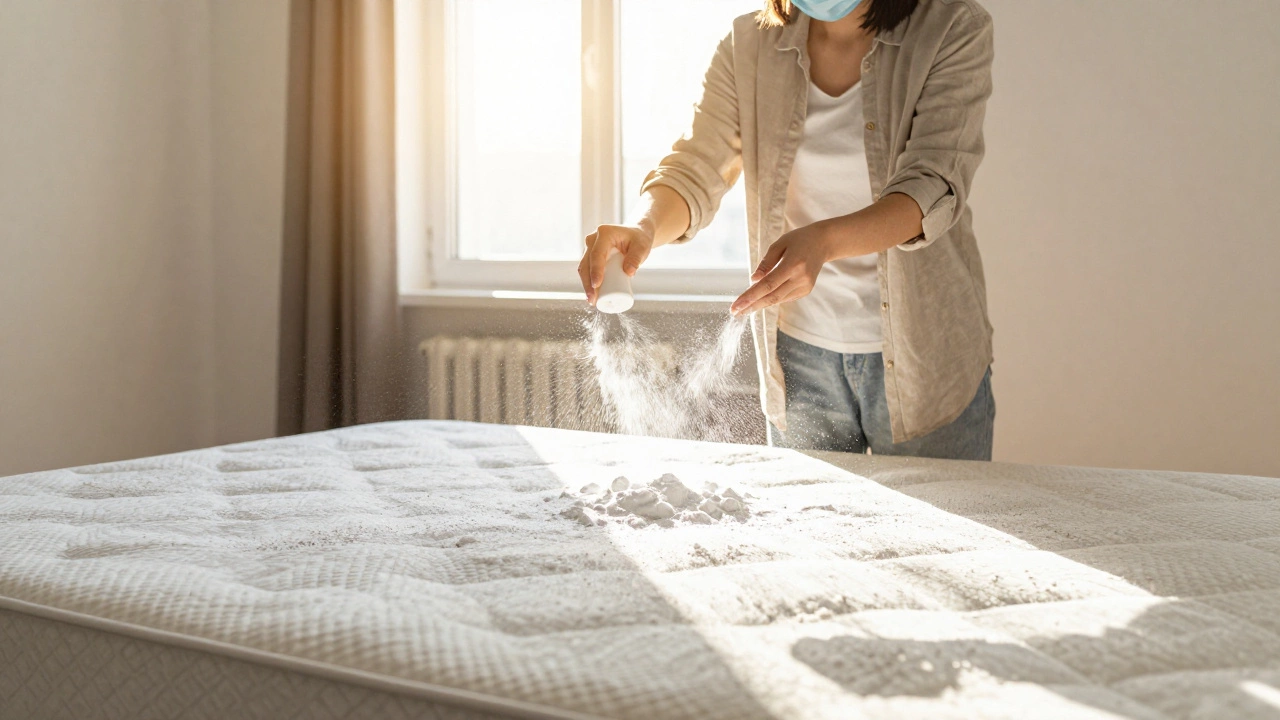
After treating specific stains, the whole mattress needs a refresh. This is where baking soda is a versatile household staple used for absorbing odors and moisture. comes in handy.
Generously sprinkle baking soda over the entire surface of the mattress. Don’t hold back. You want a thick layer. For extra freshness, you can mix in a few drops of essential oil like lavender or tea tree oil. Tea tree oil also has natural antimicrobial properties, which is a nice bonus.
Let the baking soda sit. How long? Ideally, leave it for several hours or even overnight. The longer it sits, the more odor and moisture it pulls out of the mattress. If you’re in a rush, at least give it 30 minutes. Then, vacuum it up thoroughly. Make sure you get every bit of powder out, as leftover residue can irritate sensitive skin.
While DIY cleaning works well for maintenance and minor issues, there are times when you should skip the bucket and brush. Recognizing these signs can save you from health risks or wasted effort.
Cleaning a mattress is hard work. You don’t want to do it every month. Prevention is key to keeping your sleep environment hygienic.
Use a waterproof mattress protector. This is the single best thing you can buy for your bed. It acts as a barrier against sweat, spills, and dust mites. Choose one that is breathable so you don’t feel like you’re sleeping on plastic. Wash the protector monthly along with your sheets.
Air out your mattress regularly. Open windows and pull back the covers for an hour or two once a week. Fresh air helps reduce humidity, which discourages mold and dust mite growth.
Flip or rotate your mattress every six months. This prevents body impressions from forming too deeply, which can trap dirt and make future cleaning harder. Check your manufacturer’s warranty; some void warranties if you flip a mattress that isn’t designed to be flipped.
Finally, keep pets off the bed if possible. Or at least train them to use a designated pet blanket. Pet hair, dander, and occasional accidents add up quickly. If they do jump up, vacuum the mattress immediately after they get down.
You should vacuum your mattress every three to six months. Deep cleaning with stain treatment and deodorizing should be done at least twice a year, ideally during seasonal changes like spring and fall.
No, never use bleach on a mattress. Bleach can weaken the fabric fibers, cause discoloration, and leave behind harmful chemical residues that you will breathe in while sleeping. Stick to mild detergents, vinegar, or hydrogen peroxide.
Absolutely not. Mattresses are too large and heavy for dryers. Attempting to do so can damage both the appliance and the mattress, and poses a serious fire hazard due to friction and heat buildup.
Yes, sunlight is a natural disinfectant. UV rays can kill dust mites and bacteria. If you live in an apartment, you can prop the mattress against a sunny window for a few hours. Just ensure the room is well-ventilated to prevent overheating.
Look for visible black, green, or white fuzzy spots, especially in seams or under the mattress. A persistent musty smell that doesn't go away after airing out is another strong indicator. If you suspect mold, stop using the mattress and consult a professional or consider replacement.