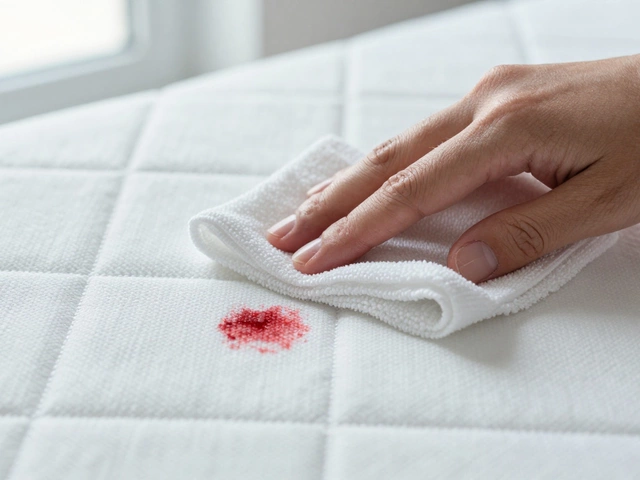
Check the white tag hidden in the seams of your couch to find your cleaning code, then select it below.
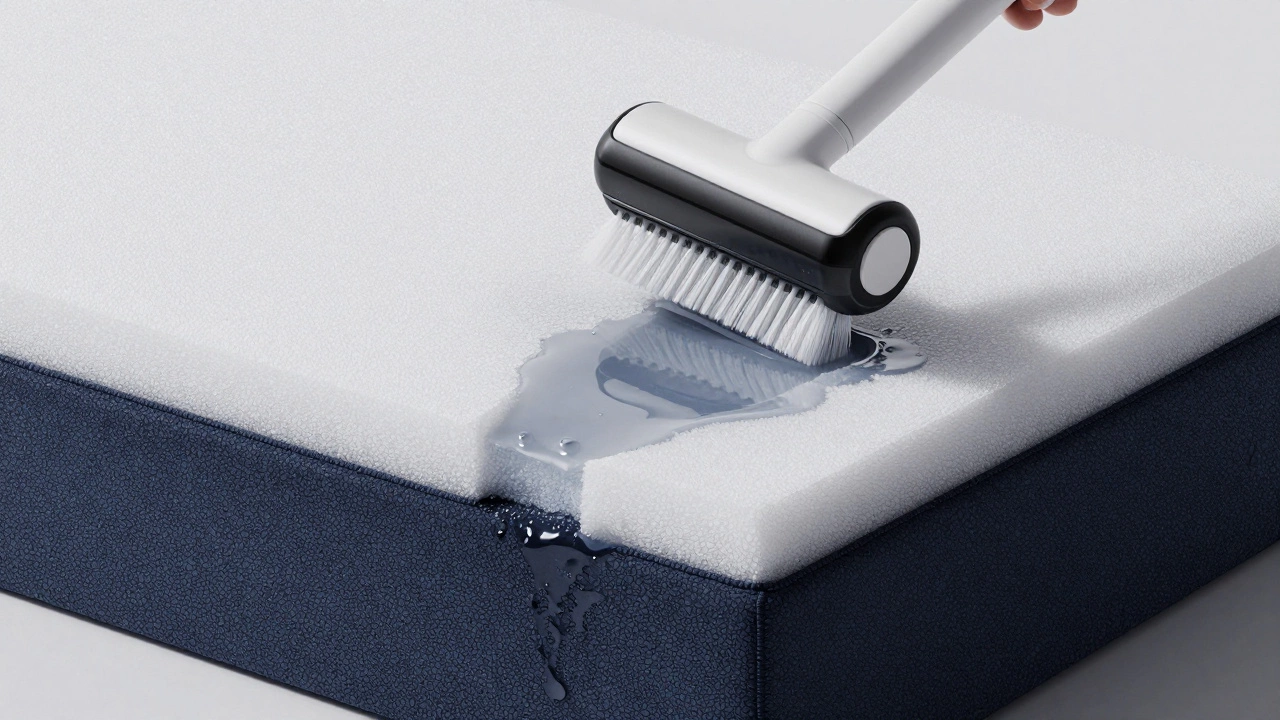
One big mistake people make is treating a couch like a carpet. A carpet has a concrete subfloor or a heavy pad that can handle some moisture, but a couch has thick layers of polyurethane foam. If you soak that foam with a shampooer, it acts like a giant sponge. Even if the fabric feels dry to the touch after a few hours, the center of the cushion could stay damp for days. This creates a perfect breeding ground for mildew and a musty smell that's almost impossible to get rid of without replacing the cushions entirely.
To avoid this, you have to master the "extraction" part of the process. Most people spend too much time spraying the soap and not enough time sucking the water back out. The goal isn't to wash the couch; it's to lift the dirt out. If you see puddles forming on the fabric, you're using too much water.
If you've checked your tags and confirmed you have a "W" code, you can proceed. But don't just start spraying. Follow these steps to keep your furniture in good shape.
| Method | Best For | Risk Level | Drying Time |
|---|---|---|---|
| Shampooer/Extractor | Deep stains on 'W' fabrics | Medium (Over-wetting) | 12-24 Hours |
| Steam Cleaner | Bacteria and light refreshing | Low to Medium | 4-8 Hours |
| Dry Solvent/Foam | 'S' or 'XS' fabrics | Low | 1-2 Hours |
| Manual Scrubbing | Small, localized spots | Low | 2-4 Hours |
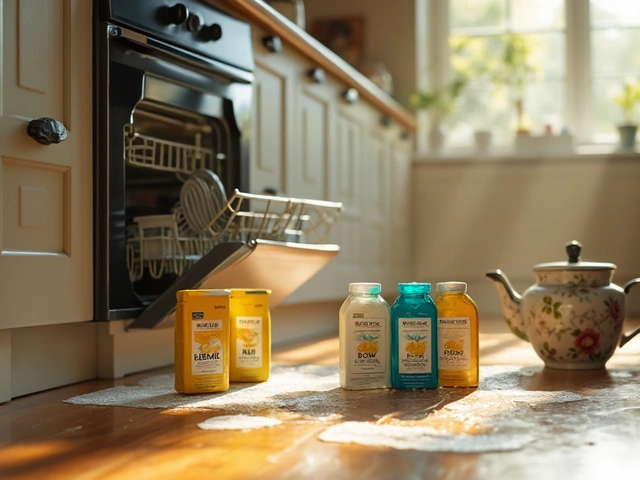
One of the most common errors is using laundry detergent or dish soap in the machine. These products are designed to be rinsed out with gallons of water in a washing machine. In a couch, they leave a sticky residue. This residue actually attracts dirt, meaning your couch will get dirty faster than it was before you cleaned it. Only use cleaners specifically formulated for carpet extractors.
Another mistake is ignoring the fabric's nap. Some fabrics, like velvet or micro-suede, have a "direction" to the fibers. If you scrub back and forth aggressively with a machine head, you can "crush" the pile, leaving a permanent flat spot that looks like a stain but is actually a structural change in the fabric.

Sometimes the DIY route is too risky. If you have a high-end silk or linen sofa, a home shampooer is a recipe for disaster. These fabrics are incredibly delicate and can warp or discolor instantly when hit with a high-pressure stream of water.
Additionally, if your couch has an antique frame or a wooden base that isn't sealed, the excess water from a shampooer can seep into the wood. This causes the wood to swell or rot, which is a much more expensive problem to fix than a coffee stain. When the value of the furniture exceeds the cost of a professional cleaning service, it's always better to hire an expert who uses industrial-grade low-moisture extraction.
Yes, it can. If the fabric contains natural fibers like wool or cotton and you use water that is too hot or apply too much pressure, the fibers can contract. This leads to the fabric becoming tight or skewed, which might pull the cushions out of alignment. Always check the cleaning code first.
Generally, no. Real suede and many faux suedes are marked with code 'S', meaning they only tolerate solvents. Water will leave permanent spots and ruin the "nap" (the fuzzy texture) of the fabric. Use a dedicated suede brush and a solvent-based cleaner instead.
For most homes, a deep clean every 12 to 18 months is plenty. Over-cleaning with a machine can actually wear down the fabric fibers and fade the dyes. Regular vacuuming is much more important for longevity than frequent shampooing.
If there's no tag, assume the fabric is delicate. Treat it as a code 'S' (solvent only) or a code 'U' (professional only) until you can verify the material. You can try a very small, hidden spot with a damp cloth to see if it leaves a ring; if it does, stay away from the shampooer.
Vinegar is great for neutralizing odors, but it's not a substitute for a proper cleaning solution in a machine. Using pure vinegar in a shampooer can sometimes be too acidic for certain dyes. It's better to use a dedicated upholstery soap and use a diluted vinegar spray for odor removal on the surface.
If you've just finished shampooing, don't sit on the couch until it's bone dry. Sitting on damp fabric pushes the moisture back into the cushions and can cause the fabric to stretch out of shape. If you're worried about a smell remaining, place a few bowls of baking soda around the room to absorb the humidity.
For those who found out their couch is "Solvent Only," don't fret. You can find dry-cleaning foams at most hardware stores that lift dirt without using a single drop of liquid water. Just remember to test them on a hidden area first, just like you would with a machine.