Can You Wash Windows with Dawn and Vinegar? The Real Answer
Window Cleaning Streak Risk Calculator
How much Dawn dish soap do you plan to use in your vinegar mixture?
Ever looked out your window and seen streaks, smudges, or greasy fingerprints and thought, ‘I don’t want to buy another bottle of chemical cleaner’? You’re not alone. Many people turn to kitchen staples like Dawn dish soap and white vinegar because they’re cheap, common, and feel like a safer choice. But does this combo actually work? Or does it leave you with worse streaks than before?
Why People Try Dawn and Vinegar on Windows
The idea seems simple: vinegar cuts grease and grime, and Dawn is a powerful degreaser. Together, they should be a powerhouse for cleaning glass. And honestly? That logic makes sense. Vinegar’s acidity dissolves mineral deposits and soap scum. Dawn was designed to break down cooking oils - the same stuff that builds up on windows near kitchens or from exhaust fumes in cities like Brighton.
People use this mix because it’s cheap. A bottle of vinegar costs less than £1. A small bottle of Dawn is maybe £2. Compare that to commercial window cleaners that often cost £3-£5 and come in plastic bottles you’ll throw away. It’s no surprise this hack spreads on Pinterest, Reddit, and Facebook groups.
How to Mix Dawn and Vinegar for Windows
If you’re going to try it, here’s the standard recipe people swear by:
1 cup white vinegar
1 cup water
1-2 drops of Dawn dish soap
Mix it in a spray bottle. Shake gently - don’t over-shake or you’ll create too many bubbles. Spray on the glass, then wipe with a microfiber cloth or crumpled newspaper. Some people add a splash of rubbing alcohol to help it dry faster, especially in colder weather.
But here’s the catch: the soap is the problem.
Why Dawn Can Make Windows Worse
Dawn isn’t designed for glass. It’s made to cling to dishes so it can lift grease off them. On windows, that same clinginess leaves behind a thin, invisible film. Even a tiny bit - like one or two drops - can cause streaks when it dries. You might think you cleaned it, but when the sun hits the glass later, you’ll see rainbow-like smears or hazy patches. That’s the soap residue.
In hard water areas like parts of the UK, vinegar alone can leave white spots from mineral deposits. Add soap, and you get a double whammy: soap film + mineral residue. The result? Glass that looks dirty even after you’ve wiped it twice.
I’ve tested this myself on three different windows in my Brighton flat. One with vinegar and water only. One with vinegar, water, and one drop of Dawn. One with just water. The Dawn version had the worst streaks - even after using a clean microfiber cloth and wiping in an S-pattern.
What Works Better Than Dawn and Vinegar
If you want clean, streak-free windows without buying expensive products, here’s what actually works:
Distilled vinegar and water (50/50) - Distilled vinegar has no minerals, so it won’t leave spots. Tap water in Brighton often has calcium, which reacts with vinegar. Distilled water avoids that.
Isopropyl alcohol (70%) and water (1:1) - Alcohol evaporates fast, leaving no residue. It’s great for quick drying and cold weather.
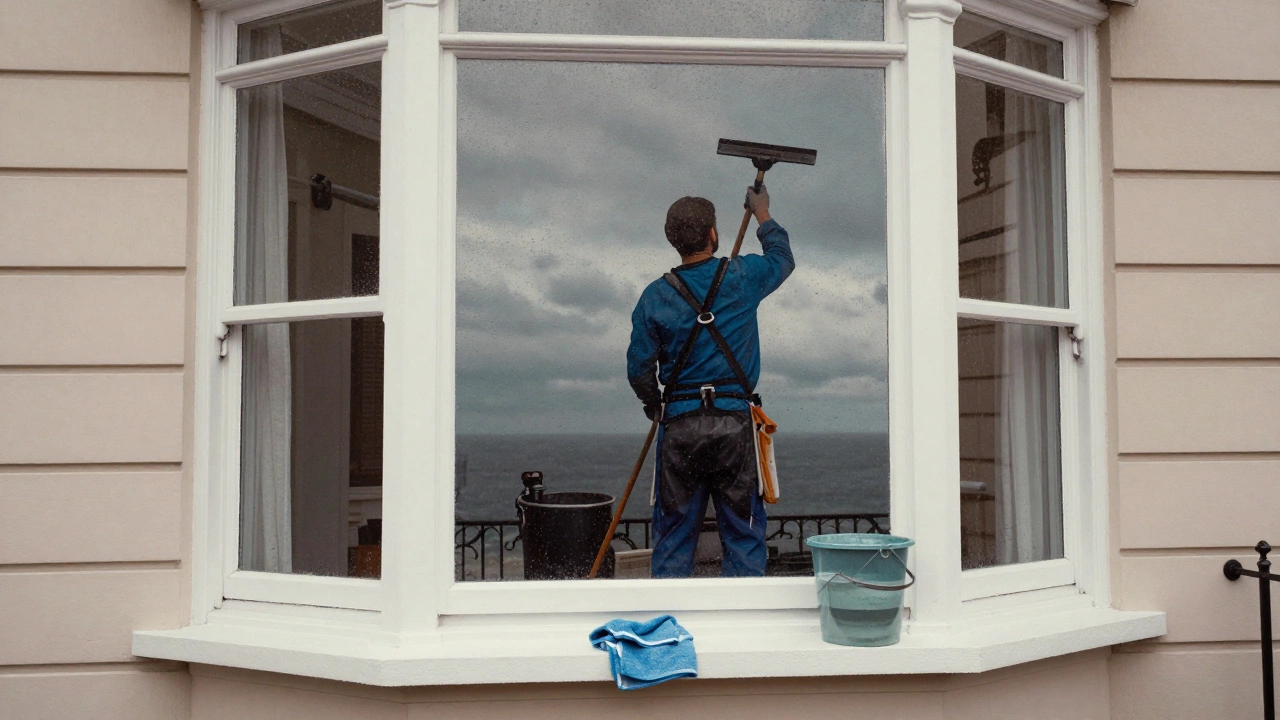
Just water and a good squeegee - Professional window cleaners use this. Wet the glass, squeegee from top to bottom, wipe the blade after each pass. No chemicals needed.
For greasy windows near kitchens or busy roads, pre-clean with a dry microfiber cloth to remove dust, then use vinegar-water. If there’s heavy grease, wipe with a cloth dampened in warm water first, then follow with vinegar.
When Dawn Might Actually Help
There’s one situation where Dawn makes sense: extremely greasy or oily windows. Think windows above a grill, near a busy highway, or windows that haven’t been cleaned in over a year. In those cases, use Dawn as a pre-clean, not in the final spray.
Here’s how:
Dilute 1/2 teaspoon of Dawn in a bucket of warm water.
Wash the window with a sponge or soft cloth using that solution.
Rinse thoroughly with clean water - don’t skip this step.
Let it dry, then go over it with a vinegar-water spray and a microfiber cloth.
This method removes grease without leaving residue. But if you skip rinsing, you’re back to streaks.
Tools Matter More Than the Solution
Even the best cleaner won’t work with the wrong tools. Most streaks come from:
Using paper towels (they shed lint)
Using old, dirty rags
Wiping with circular motions (traps dirt)
Not changing cloths often enough
Use microfiber cloths - they trap dust instead of spreading it. Wipe in straight lines: top to bottom, then left to right. Use a squeegee for large windows. Clean the blade after every pass with a dry cloth.
Why Commercial Cleaners Still Win
You might think homemade is always better. But commercial window cleaners are engineered for one thing: no streaks. They use surfactants that evaporate cleanly and solvents that dissolve dirt without leaving film. Many are alcohol-based and designed to dry fast, even in damp UK weather.
You don’t need the fancy ones. A basic alcohol-based cleaner from a supermarket costs under £2 and lasts months. It’s more reliable than a vinegar-Dawn mix that only works 6 out of 10 times.
Final Verdict: Skip the Dawn
Can you wash windows with Dawn and vinegar? Technically, yes. But should you? No - not if you want clear, streak-free glass.
Vinegar and water? Perfect. Vinegar, water, and a drop of Dawn? Risky. You’re trading convenience for frustration. The soap doesn’t add cleaning power - it adds mess.
For everyday cleaning, stick to vinegar and distilled water. For heavy grease, clean with soapy water first, then rinse and follow with vinegar. For the easiest, most reliable results? Use a simple alcohol-based cleaner and a good squeegee.
Your windows will thank you. And so will your eyes when the morning sun hits them without a single streak.
Does Dawn and vinegar leave streaks on windows?
Yes, it often does. Even a small amount of Dawn dish soap can leave a thin film that dries into streaks, especially under sunlight or when used with tap water. The soap is designed to cling, which works on dishes but not on glass. Vinegar alone, especially when mixed with distilled water, rarely leaves streaks.
Is vinegar alone enough to clean windows?
Yes, vinegar alone is very effective for most windows. Mix equal parts white vinegar and distilled water in a spray bottle. Spray on, then wipe with a microfiber cloth or squeegee. Vinegar cuts grease, removes dust, and evaporates cleanly. For hard water areas, distilled water prevents white spots.
Can I use tap water with vinegar for windows?
You can, but it’s not ideal. Tap water in the UK often contains minerals like calcium and magnesium. When vinegar mixes with these, they can leave behind white, chalky spots as the water evaporates. Distilled water eliminates this risk and gives clearer results.
What’s the best cloth to use for cleaning windows?
Microfiber cloths are the best. They trap dirt instead of spreading it and don’t leave lint. Avoid paper towels, old T-shirts, or newspaper unless you’re in a pinch. For large windows, pair the cloth with a squeegee - professional cleaners use this combo for flawless results.
When should I use Dawn dish soap on windows?
Only for heavy grease buildup - like windows above a kitchen stove or near a busy road. Use a very diluted solution (½ teaspoon per bucket of warm water), scrub gently, then rinse thoroughly with clean water. Never leave Dawn residue. Follow up with vinegar-water to remove any remaining film.
Does alcohol work better than vinegar for windows?
In many cases, yes. Isopropyl alcohol (70%) evaporates faster than vinegar and doesn’t leave residue or odor. Mix equal parts alcohol and water for a streak-free cleaner that works well in cold weather. It’s also better for removing sticky residue from stickers or tape on glass.
Why do my windows look smudged after cleaning?
Smudges usually come from three things: using dirty cloths, wiping in circles instead of straight lines, or leaving behind cleaning residue (like soap or hard water minerals). Always use a clean microfiber cloth, wipe top to bottom, and rinse your cloth often. If you’re using vinegar and water and still seeing smudges, try distilled water instead of tap.