
Use this tool to find the right cleaning method for your stain type and mattress material. Calculate how much baking soda you need for deodorizing.
Most people sleep on their mattresses every night without thinking about what’s hiding beneath the sheets. Over time, these surfaces collect sweat, dead skin cells, dust mites, and accidental spills. If you ignore this buildup, it can lead to allergies, bad odors, and a shorter lifespan for your bed. You don’t need expensive professional services to fix this. With the right tools and a systematic approach, you can restore your mattress to a fresh, hygienic state in under an hour.
The goal isn't just to make the top layer look clean. It is about removing allergens deep within the fibers and neutralizing bacteria that cause smells. This guide breaks down the safest, most effective methods for cleaning different types of mattresses, from memory foam to innerspring models.
You should avoid soaking your mattress with water. Excess moisture can seep into the core, leading to mold growth and structural damage, especially in memory foam or latex mattresses. Use only damp cloths for spot cleaning and ensure the mattress dries completely within 24 hours.
Before you start stripping the bed, make sure you have the right equipment. Using harsh chemicals can void warranties or damage delicate fabrics. Stick to gentle, effective household items.
Avoid using bleach or ammonia unless the manufacturer explicitly states they are safe. These chemicals can degrade the fire retardants often built into modern mattresses.
Start by removing all bedding, including sheets, pillowcases, and mattress protectors. Wash these in hot water to kill any dust mites or bacteria living in the fabric.
Once the mattress is bare, inspect it for visible debris. Then, take out your vacuum cleaner. Attach the upholstery tool and begin vacuuming the entire surface. Don’t just skim the top; apply moderate pressure and move slowly. This step is crucial because it removes the bulk of dust mites, their feces, and dead skin cells that accumulate over months of sleeping.
Pay special attention to seams and edges. Dirt tends to settle in these crevices. If your mattress has a zipper for the cover, unzip it slightly if possible to vacuum inside the edge channels. For those with severe allergies, consider using a HEPA filter vacuum to ensure fine particles aren’t blown back into the air.
Stains require different approaches depending on what caused them. Never rub a stain vigorously, as this pushes it deeper into the fibers. Instead, blot from the outside in.
Use cold water only. Hot water cooks the proteins in blood, making the stain permanent. Mix a small amount of dish soap with cold water, dab the area gently with a microfiber cloth, and rinse with a damp cloth. Repeat until the stain fades.
These organic stains need enzyme cleaners or a mixture of white vinegar and water (1:1 ratio). Apply the solution lightly, let it sit for 10-15 minutes to break down the uric acid, then blot dry. Enzyme cleaners are particularly effective because they digest the biological matter causing the smell.
A mild detergent mixed with water usually suffices. Dab the area, rinse with a clean, damp cloth, and blot dry. Avoid saturating the fabric.
If a stain persists after treatment, do not scrub harder. Let it dry completely first. Sometimes, the stain becomes less visible once the fabric is dry. If it remains, repeat the process rather than adding more moisture.
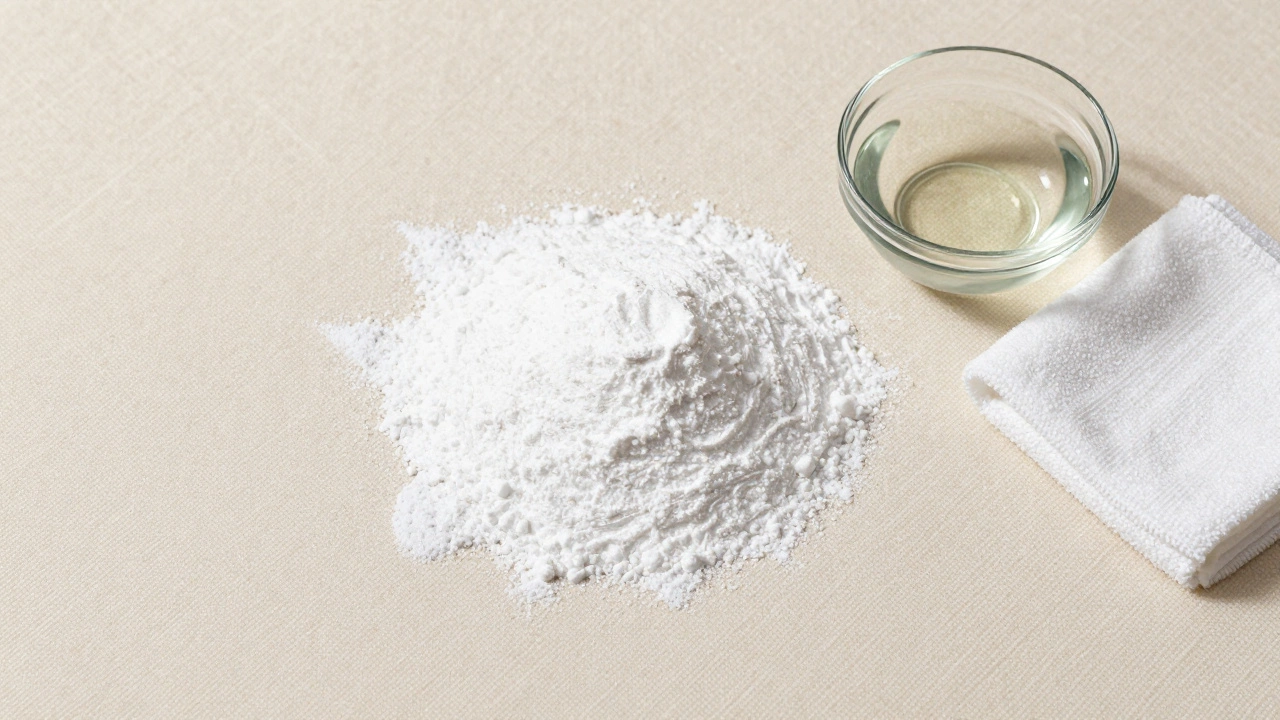
After treating stains and allowing the mattress to dry partially, it’s time to tackle odors. Baking soda is one of the best natural deodorizers available. It absorbs lingering smells and pulls moisture out of the fibers.
Sprinkle a generous layer of baking soda over the entire mattress. Aim for a thickness of about half an inch. For extra freshness, mix in a few drops of essential oil like lavender or tea tree oil before sprinkling. Tea tree oil also has natural antifungal properties, which can help inhibit mold growth.
Let the baking soda sit for at least one hour. For deep odors, leave it overnight. The longer it sits, the more odor molecules it captures. Afterward, vacuum thoroughly again to remove all traces of powder. Any remaining residue can feel gritty and uncomfortable when you sleep.
This step is non-negotiable. A damp mattress is a breeding ground for mold and mildew. Ensure the room is well-ventilated by opening windows or using fans. If possible, place the mattress near sunlight, as UV rays naturally disinfect and dry fabrics faster.
Check the underside and sides too. Moisture can get trapped between the mattress and the box spring. Lift the mattress and allow air to circulate underneath. Wait until the mattress feels completely dry to the touch before putting fresh sheets on it. This might take several hours depending on humidity levels.
Cleaning your mattress deeply every six months is ideal, but daily habits make a huge difference. Here’s how to keep it fresh between deep cleans:
By integrating these simple practices, you extend the life of your mattress and maintain a healthier sleeping environment. Regular maintenance means you won’t face overwhelming stains or odors during your next deep clean.
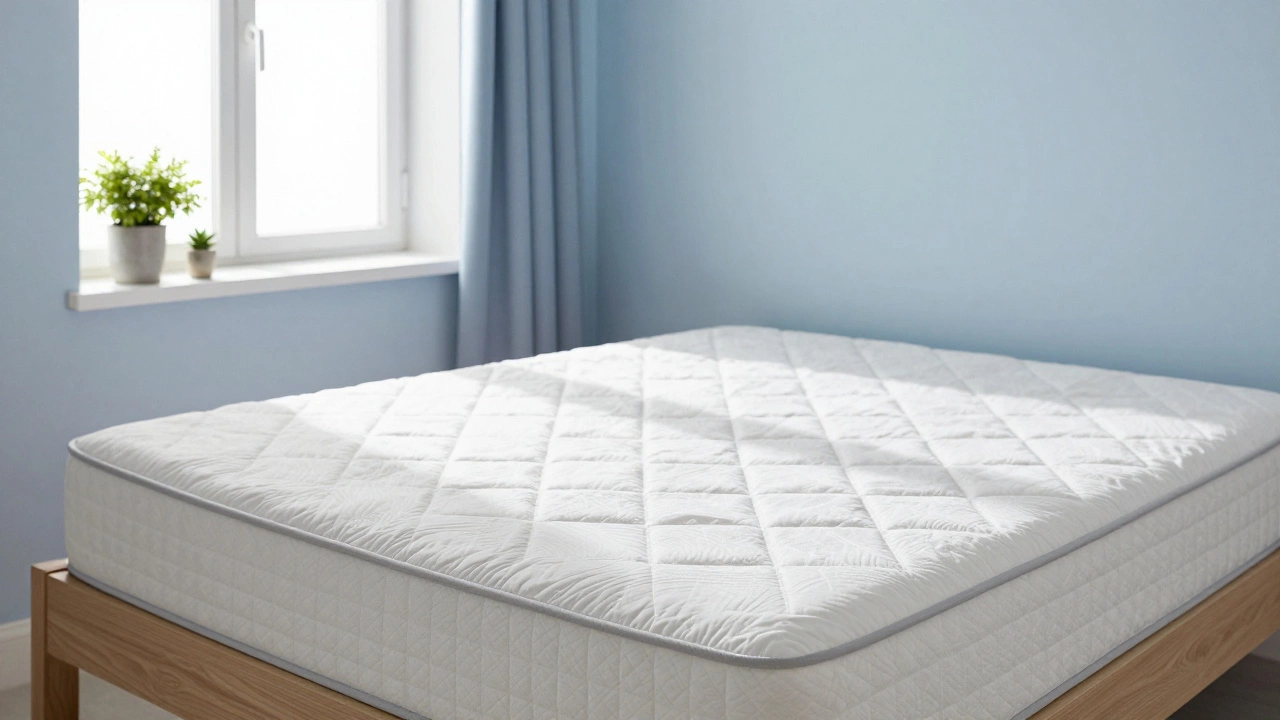
While DIY methods work for most situations, some cases require expert intervention. Consider hiring professionals if:
Professional services use high-temperature steam extractors that penetrate deeper than household vacuums. However, ensure they use eco-friendly solutions to avoid chemical exposure during sleep.
Not all mattresses react the same way to cleaning agents. Knowing your mattress type helps you choose the right method.
| Mattress Type | Best Cleaning Method | What to Avoid |
|---|---|---|
| Memory Foam | Light misting with vinegar/water; immediate blotting | Soaking, excessive water, heat sources like hairdryers |
| Innerspring | Vacuuming, spot cleaning with mild soap | Heavy saturation that reaches metal coils |
| Latex | Gentle spot cleaning, air drying | Bleach, harsh chemicals, direct sunlight for prolonged periods |
| Hybrid | Combination of foam and spring care methods | Excessive moisture in foam layers |
Always check your warranty card before applying any liquids. Some manufacturers void coverage if unauthorized cleaning products are used. When in doubt, stick to water and baking soda, which are universally safe.
Aim for a deep clean every six months. In between, vacuum monthly and spot clean immediately after any spills. If you have pets or allergies, increase the frequency to quarterly.
Yes, steam cleaning kills dust mites and bacteria effectively. However, home steam cleaners may not extract enough moisture, leading to mold risks. Professional steam extraction is safer for deep sanitation.
No, never wash a mattress in a machine. They are too large, heavy, and structurally complex. Only removable covers or pillows should go in the washer.
Hydrogen peroxide can bleach certain fabrics. Test it on a small, hidden area first. If colorfast, it works well for blood and organic stains due to its oxidizing properties.
Look for black or green spots, a musty smell, or visible fuzziness. If you suspect mold, discard the mattress if it’s internal. Surface mold can sometimes be cleaned with vinegar, but health risks remain.