Select the type of stain you are dealing with to get a customized step-by-step treatment plan.
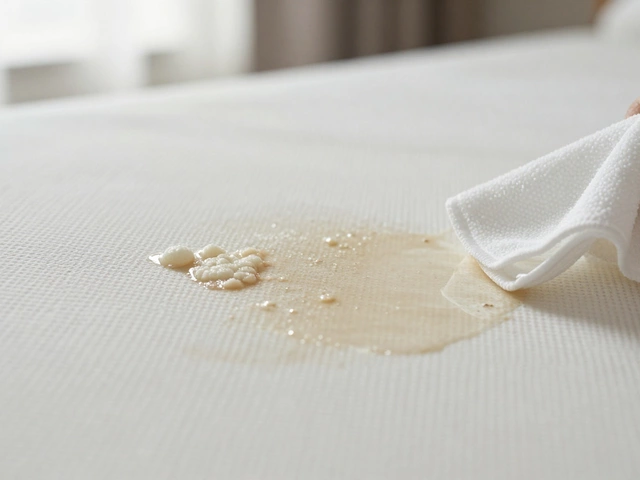
That yellowish stain on your sheets isn’t just ugly; it’s a sign of sweat, body oils, and dead skin cells building up over months. If you’ve ever tried scrubbing a mattress with harsh chemicals, you know how frustrating it is. The stain often remains, or worse, the chemical smell lingers for days. You want a solution that kills bacteria, lifts the discoloration, and leaves no toxic residue behind. Hydrogen peroxide is a common household antiseptic and bleaching agent that breaks down into water and oxygen. It is one of the most effective tools for this job because it acts as a gentle oxidizer. It attacks the molecular bonds of organic stains without damaging the fabric fibers like chlorine bleach would.
Using hydrogen peroxide on a mattress is safe, provided you follow the right steps. It whitens fabrics, neutralizes odors, and sanitizes the surface where you sleep every night. This guide will walk you through exactly how to mix the solution, apply it, and ensure your mattress dries properly to prevent mold growth.
Before you start, make sure you have everything within reach. Running back to the kitchen mid-clean can lead to mistakes, especially when dealing with liquids on a large surface. Here is what you need:
Why white cloths? Colored towels might bleed dye onto your mattress if they get too wet. Stick to white to avoid creating new problems while solving old ones.
You cannot effectively treat stains if the surface is covered in dust and debris. Start by stripping the bed completely. Remove all sheets, pillowcases, and mattress protectors. Wash these separately in hot water.
Next, vacuum the entire mattress thoroughly. Use the upholstery attachment on your vacuum cleaner. Go slowly over the surface, paying special attention to the seams and edges. Dust mites, pet hair, and crumbs hide in these crevices. If you skip this step, you risk pushing dirt deeper into the foam or springs when you apply the liquid cleaner later.
If there are any loose particles visible after vacuuming, gently brush them away with a dry cloth. The goal is a bare, clean canvas before introducing moisture.
The power of hydrogen peroxide comes from its ability to release oxygen bubbles that lift stains. However, using it straight from the bottle can be too strong for some delicate fabrics. A balanced mixture works best for general mattress cleaning.
In your spray bottle, combine the following ingredients:
Shake the bottle gently to mix. The baking soda adds mild abrasion and deodorizing properties, while the dish soap helps break down oils. Do not shake vigorously, or you will create too many suds that are hard to control. Remember, hydrogen peroxide loses its potency when exposed to light and air, so mix only what you plan to use immediately. Store any leftover pure hydrogen peroxide in its original dark bottle.
This step is non-negotiable. Even though hydrogen peroxide is generally safe, some mattress materials-especially those with dyes or specific waterproof coatings-can react unpredictably. Pick a small, inconspicuous area, such as a corner near the headboard or under the side edge.
Spray a tiny amount of your solution on this spot. Wait 10-15 minutes. Check for any discoloration, fading, or texture changes. If the fabric looks fine, you are good to proceed. If you notice any change, stop. For colored mattresses, consider using a weaker solution (more water, less peroxide) or sticking to baking soda paste alone for stains.
Different stains require slightly different approaches. While the general spray method works for most things, targeted treatment yields better results for stubborn marks.
Blood contains proteins that coagulate with heat. Never use hot water on blood. Apply the hydrogen peroxide solution directly to the stain. You will see it fizz immediately. This bubbling action is the oxygen breaking down the blood cells. Blot the area with a white cloth. Do not rub, as rubbing pushes the blood deeper into the foam. Repeat until the stain fades. For older, set-in blood stains, you may need to let the solution sit for 5-10 minutes before blotting.
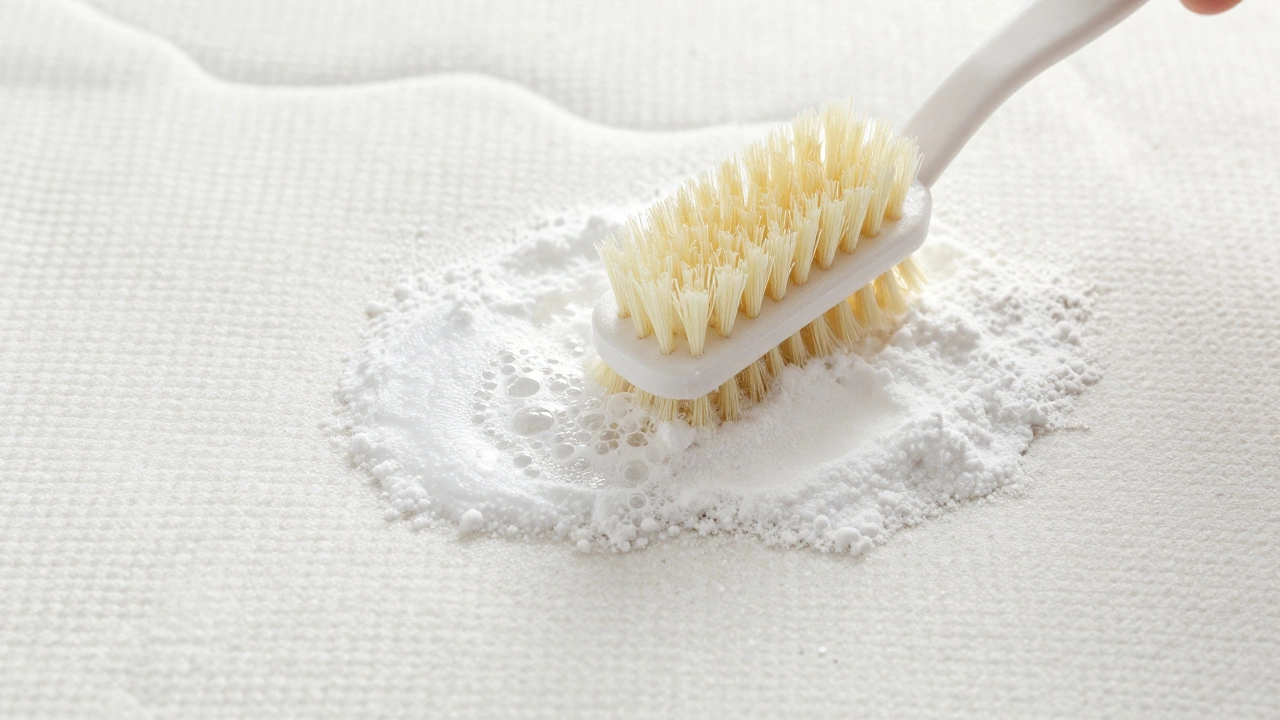
Urine stains are tricky because they leave behind uric acid crystals that cause lingering odors. Hydrogen peroxide is excellent here because it breaks down these crystals. Spray the affected area generously. Let it sit for 10 minutes. Then, sprinkle a thick layer of baking soda over the wet spot. The combination of peroxide and baking soda creates a powerful deodorizing reaction. Allow this to dry completely before vacuuming up the powder.
These yellowish patches around the head and shoulder areas are caused by oxidation of sweat and sebum. They are not always raised stains but rather discolorations. Spray the solution evenly over the discolored zone. Gently agitate the area with a soft-bristled toothbrush if the fabric allows. Blot with a clean cloth. You may need to repeat this process 2-3 times for heavy buildup.
When applying the hydrogen peroxide mixture, moderation is key. Mattresses are thick and absorbent. Over-wetting the core can lead to mold and mildew growth inside the foam layers, which is much harder to fix than a surface stain.
Hold the spray bottle about 6 inches above the mattress. Mist the stained area lightly. You want the surface damp, not soaking wet. If you are treating a large area, work in sections. Spray a manageable patch, treat it, then move to the next. Avoid spraying the entire mattress at once unless you are doing a full deep clean and have industrial fans ready.
Use a clean white microfiber cloth to blot the area. Press down firmly to absorb the loosened dirt and excess liquid. Switch to a clean part of the cloth frequently to avoid re-depositing dirt. For textured fabrics, you can gently scrub in circular motions with a soft brush, but always follow up with blotting.
This is the most critical step. If your mattress does not dry completely, you invite mold spores to thrive in the warm, dark environment of your bed. Mold can cause respiratory issues and ruin the structural integrity of the foam.
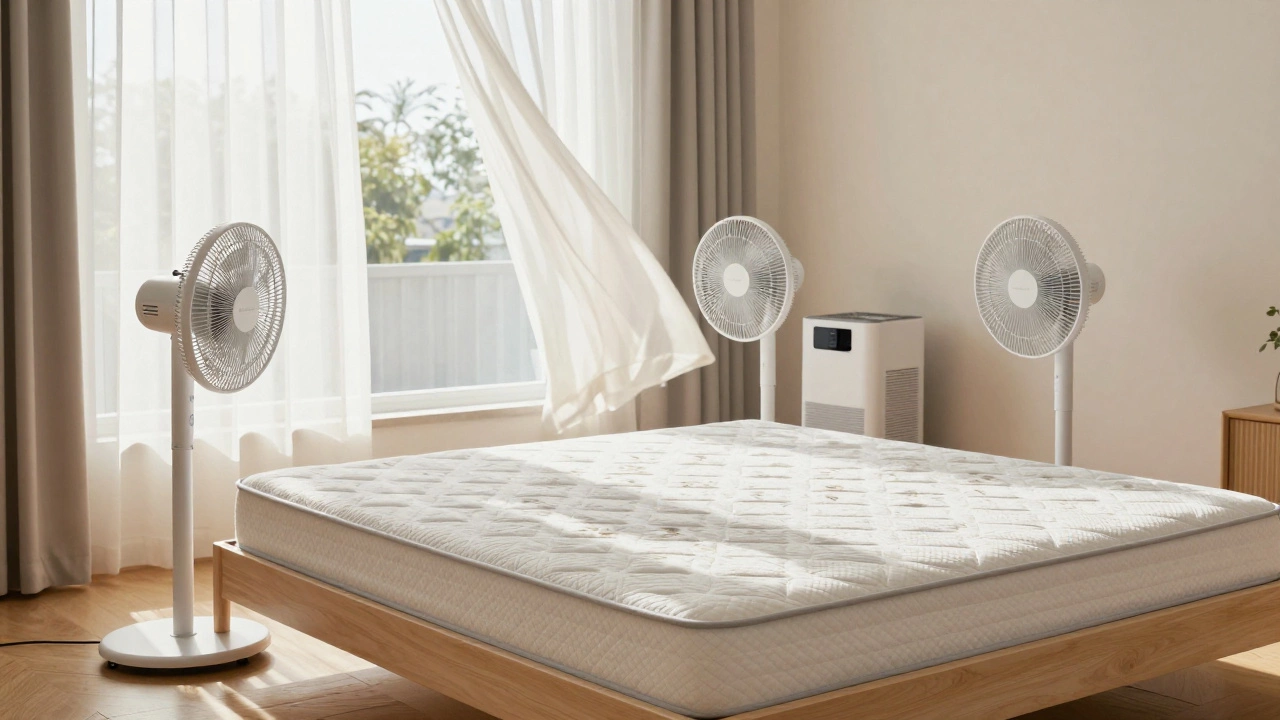
Open all windows in the bedroom to maximize airflow. Turn on ceiling fans or place portable floor fans to blow air across the mattress surface. If you have a dehumidifier, run it in the room to pull moisture out of the air. Direct sunlight is also beneficial; if possible, push the bed against a sunny window. UV rays help kill remaining bacteria and speed up drying.
Allow the mattress to dry for at least 4-6 hours, or longer if the room is humid. In Brighton, where damp weather is common, you might need to wait overnight. Before putting sheets back on, press your hand against the treated area. If it feels cool or damp, give it more time. It should feel completely dry and room temperature.
Once the mattress is dry, you might still notice a faint smell. To finish the job, sprinkle a thin, even layer of baking soda over the entire surface of the mattress. Let it sit for at least 30 minutes, or ideally several hours. The baking soda will absorb any residual odors and moisture trapped in the fibers.
Vacuum the baking soda thoroughly using the upholstery attachment. You will be surprised at how much gray powder comes out, indicating absorbed dirt and oils. Your mattress should now look fresher, smell neutral, and feel hygienic.
While hydrogen peroxide is safer than many commercial cleaners, it is still a chemical. Wear gloves to protect your hands from irritation, especially if you have sensitive skin. Work in a well-ventilated area to avoid inhaling concentrated fumes, although 3% solutions are relatively low-risk.
Keep hydrogen peroxide away from eyes. If it splashes, rinse immediately with plenty of water. Store the bottle in a cool, dark place. Light degrades hydrogen peroxide, turning it into plain water, which reduces its effectiveness. Always check the expiration date on the bottle; expired peroxide won’t bubble or clean effectively.
Cleaning shouldn’t be a yearly crisis. Regular maintenance prevents stains from setting in deeply. Use a waterproof mattress protector. This barrier stops sweat, spills, and accidents from reaching the actual mattress fabric. Wash the protector monthly along with your sheets.
Vacuum your mattress every 1-2 months. Rotate the mattress head-to-foot every 6 months to ensure even wear and distribute any minor stains. Address spills immediately. Blotting fresh spills prevents them from becoming permanent stains that require aggressive chemical treatment later.
Yes, hydrogen peroxide is a mild bleaching agent. It can lighten yellow stains caused by sweat and age. However, it will not turn a colored mattress white. It is most effective on white or light-colored fabrics. Always test a small area first to ensure it doesn't fade the color unexpectedly.
It is generally safe, but caution is required. Memory foam is highly absorbent. Do not soak the foam. Apply the solution lightly to the fabric cover only. Excess moisture can penetrate the foam, leading to mold growth inside the material, which is difficult to remove.
Drying time depends on humidity and airflow. Typically, it takes 4 to 6 hours for the surface to dry completely. Using fans and opening windows speeds up the process. Ensure the mattress is fully dry before replacing sheets to prevent mold.
No, hydrogen peroxide is not an effective pesticide for bed bugs. While it might kill eggs on contact, it cannot penetrate deep enough into seams and cracks to eliminate an infestation. Use professional pest control methods or specialized bed bug sprays for infestations.
It is not recommended to mix hydrogen peroxide and vinegar in the same container. They react to form peracetic acid, which can be irritating to the skin, eyes, and respiratory system. Use them separately: vinegar for disinfecting surfaces and peroxide for stain lifting.