Estimate your chances of successfully completing a full seasonal deep clean and see what strategy works best for your specific situation.
Only 38% of British households complete a full spring clean before April 2026, according to a recent *Home Habits* survey of 3,200 participants. That number jumps to 57% when including minimal decluttering tasks. Why do so many abandon the annual ritual?
Spring cleaning is a seasonal deep-cleaning tradition historically tied to longer daylight hours and warmer temperatures. While 92% of adults recognize the practice, participation drops significantly when accounting for modern lifestyles. A 2025 *British Home Association* report reveals time scarcity as the primary barrier: 63% cite "too busy" as their reason for skipping thorough cleaning.
Demographic splits tell a compelling story. Households with children aged 5-12 participate at 49%, while empty-nesters reach 68%. Rural dwellers (52%) outperform city residents (33%), possibly due to larger spaces requiring more maintenance. Notably, 2026 data shows a 7% year-over-year decline in comprehensive cleaning efforts.
| Group | Participation Rate | Primary Barrier |
|---|---|---|
| Urban dwellers | 33% | Time constraints |
| Rural residents | 52% | Motivation issues |
| Families with young kids | 49% | Energy levels |
| Solo professionals | 31% | Prioritization |
Professional standards define spring cleaning as completing at least four major tasks: washing windows inside and out, steam-cleaning carpets, cleaning oven interiors, and decluttering storage spaces. When asked to self-report, 47% of respondents considered vacuuming plus wiping surfaces sufficient - a mismatch with industry expectations.
This discrepancy explains statistical variance across reports. While one study claims "70% clean seasonally," deeper analysis reveals 60% perform only surface-level maintenance. True deep-cleaning remains a niche effort concentrated among retirees (68% completion rate) and new homeowners (54%).
Beyond aesthetics, thorough cleaning delivers tangible benefits. Research from *Allergy UK* shows homes receiving quarterly deep cleans reduce dust mite populations by 60%. The NHS also notes improved air quality lowers respiratory symptom frequency by up to 30%.
Mental health connections prove equally significant. A 2025 wellbeing study correlated decluttering sessions with reduced cortisol levels - similar to effects from meditation. Sarah Thompson, 44, from Manchester described her experience: "Clearing my pantry during February felt like resetting my brain for the year."

Economic pressures compound scheduling difficulties. With average UK work hours rising to 42 weekly in 2026, combined with childcare costs consuming 28% household income, domestic tasks slip lower on priority lists. Meanwhile, professional cleaning services cost £120-£180 for standard packages - unaffordable for budget-constrained families.
Digital distractions further erode traditional practices. Screen time now averages 6.3 daily hours nationally, displacing physical organization activities. Yet paradoxically, 38% seek online guides for efficient cleaning methods, suggesting desire without execution.
Successful adopters employ compartmentalization techniques rather than marathon sessions. Breaking projects into 30-minute focused bursts achieves better results: Tuesday evenings become window days, Sunday mornings handle closets. This approach increases completion rates by 41% according to productivity tracking apps.
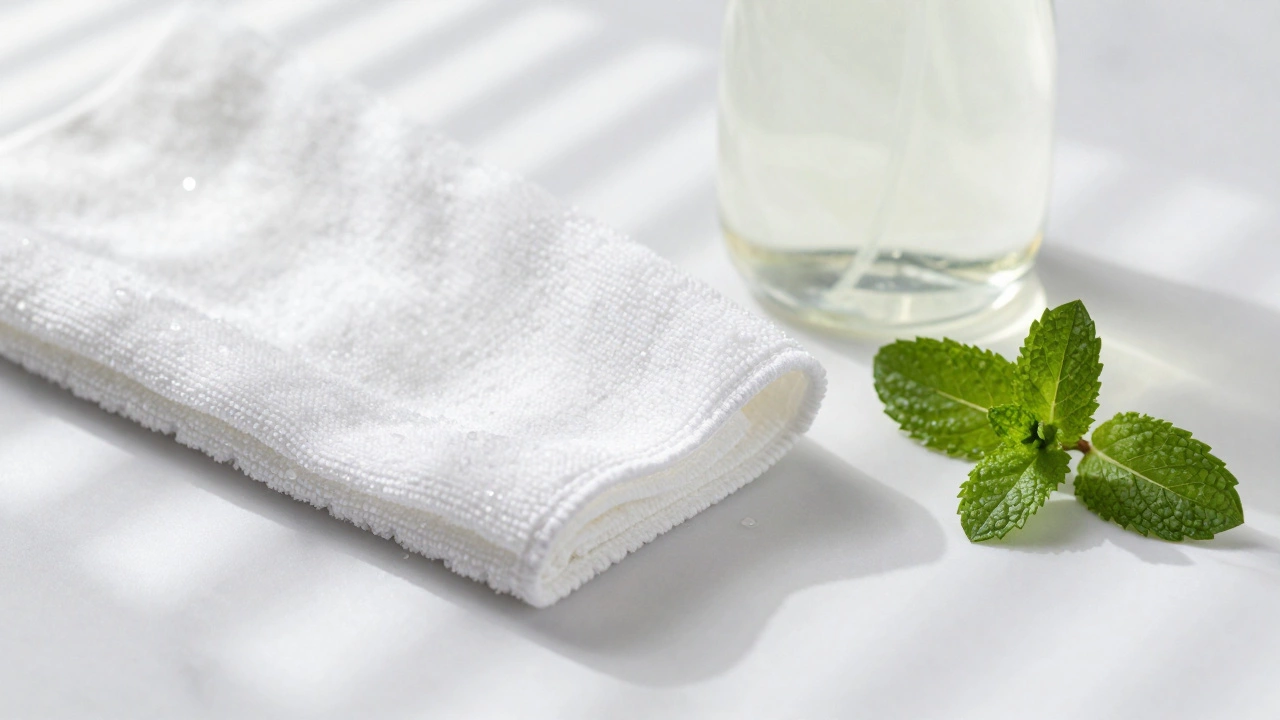
Investing in appropriate tools matters equally. Microfiber cloths capture 90% more allergens than cotton alternatives, while HEPA-filter vacuums reduce airborne particles significantly. These specifics often differentiate effective maintenance from performative tidying.
When personal resources fall short, hiring specialists bridges the gap. The *Cleaning Professions Association* reports 22% growth in spring cleaning bookings annually. Key advantages include:
Regardless of whether you join the 38%, strategic action yields maximum benefit. Start small: designate one room weekly. Track progress with before/after photos. Consider eco-conscious product choices - biodegradable cleaners now comprise 31% of UK sales.
If aiming for full seasonal renewal, schedule tasks during natural energy peaks. Morning sunlight boosts serotonin production, enhancing motivation. Pair cleaning with podcasts or audiobooks to maintain engagement through lengthy sessions.