This tool helps you verify if your end-of-tenancy cleaning meets professional standards required by landlords and letting agents. Check off each item to ensure you avoid deposit deductions.
Mark each item as done to ensure you meet professional standards
When you’re moving out of a rented property, a professional end of tenancy clean isn’t just a nice-to-have-it’s often the difference between getting your full deposit back and losing hundreds of pounds. Landlords and letting agents don’t just want the place to look tidy. They expect it to be spotless, down to the grout lines and inside the oven. Most tenancy agreements require this level of cleanliness, and failing to meet it is one of the top reasons tenants lose deposits.
Letting agents in Brighton and across the UK routinely use a standardized checklist. This isn’t made up-it’s based on the Tenancy Deposit Scheme (TDS) guidelines and the Repair and Maintenance Standards from the Ministry of Housing. Here’s what they check:
It’s not just about dirt. It’s about residue. Grease from cooking, soap scum from showers, dust buildup in vents, sticky patches from kids’ snacks-all of it needs to be gone. Even if you think you cleaned it, professionals will find what you missed.
For example, most people don’t know that oven interiors need to be cleaned to a ‘food-safe’ standard-not just wiped. Grease baked onto the bottom of the oven isn’t just unsightly; it’s a fire hazard. Professional cleaners use industrial-grade degreasers and steam cleaners that break down years of buildup. A home cleaner won’t touch that.
Same with grout. You might think wiping the tile surface is enough. But in bathrooms and kitchens, grout turns black from mold and soap residue. It doesn’t come off with a sponge. It needs a brush, a specialized cleaner, and pressure. Without it, the property fails inspection.
And then there’s the time. A full professional clean takes 6-8 hours for a 3-bedroom flat. Most people underestimate how long it takes to do it right. Rushing leads to missed spots-and missed spots mean lost deposits.
They also use cleaning products that are approved for use in rental properties-no bleach on marble, no ammonia on stainless steel. They know what surfaces can handle what. That’s why hiring someone who’s done this 100 times before matters.
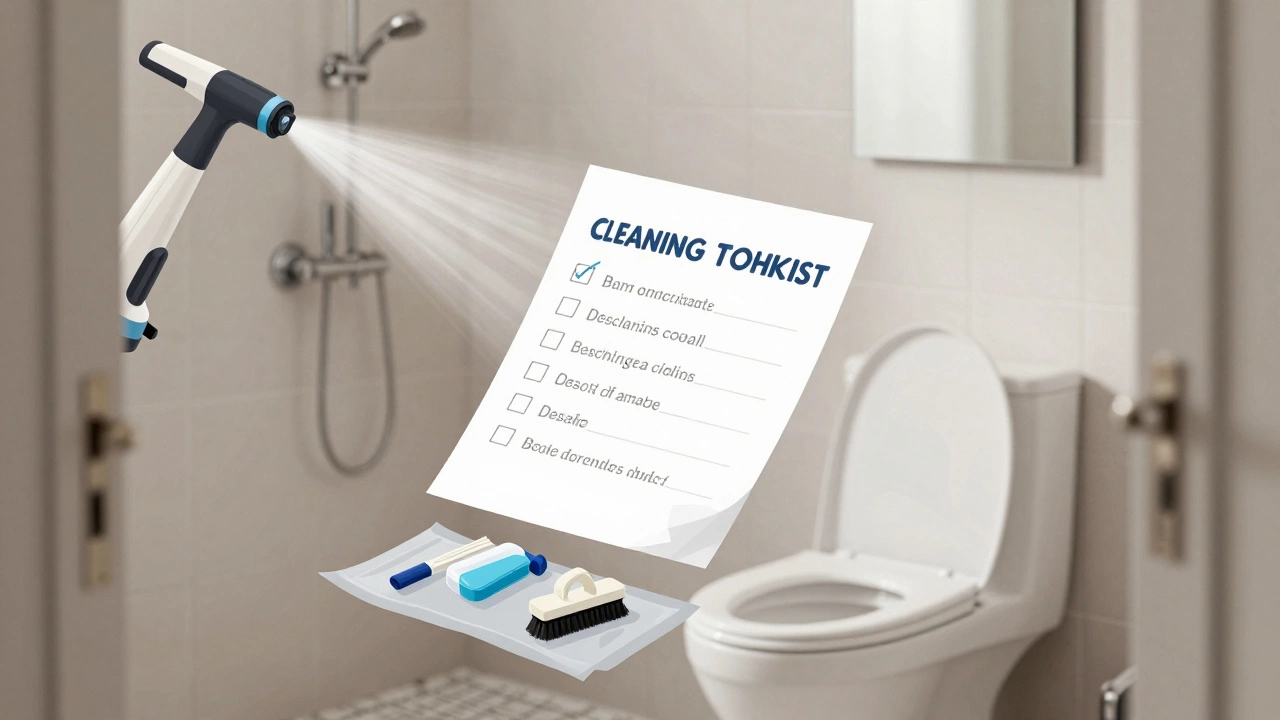
Here’s what commonly triggers deposit deductions:
These aren’t exaggerations. In 2024, the UK’s Tenancy Deposit Scheme reported that 42% of deposit disputes were due to inadequate cleaning-not damage. That’s more than broken fixtures or missing items. It’s just… dirty.
Don’t assume the cleaner will move heavy furniture. Most won’t. If you want the area under the sofa cleaned, move it yourself.
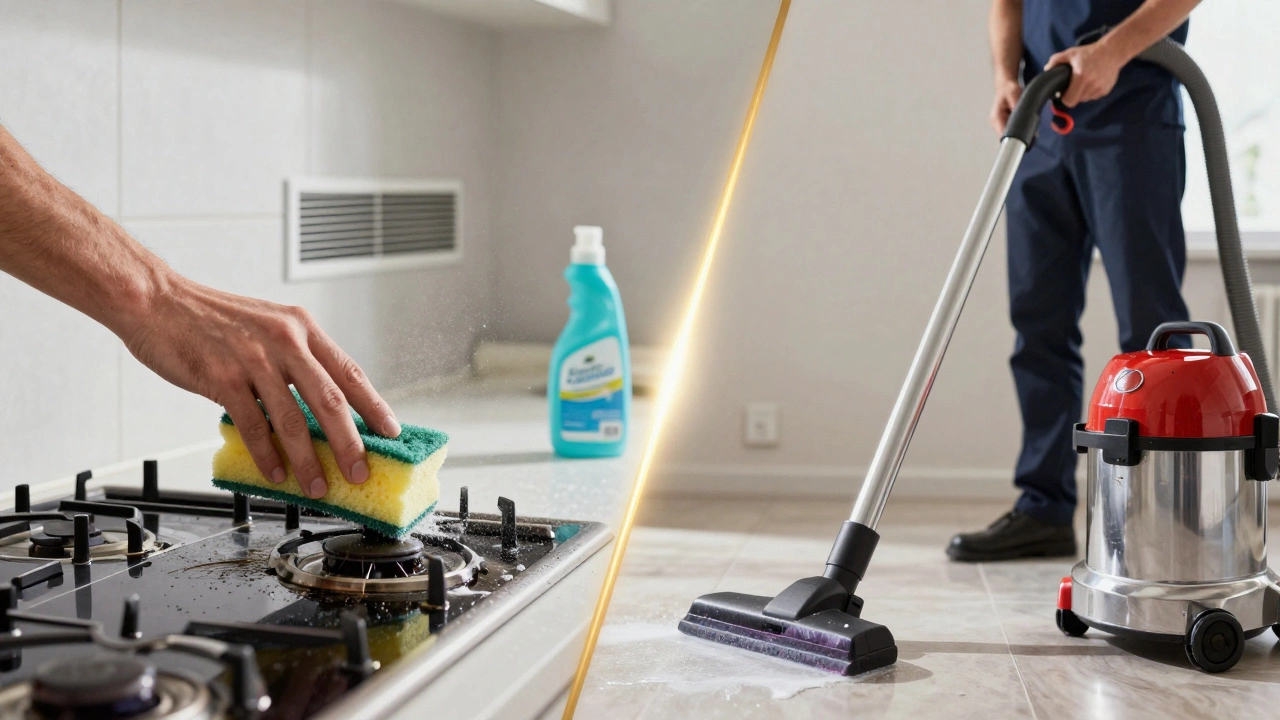
They’ll work in zones: kitchen first, then bathroom, then living areas, then bedrooms. They’ll clean from top to bottom-ceiling vents, then walls, then surfaces, then floors. They’ll check each area against the inventory report.
After they finish, they’ll often leave a signed checklist for you and the landlord. This is your proof that the job was done. Keep a copy.
Some companies offer a deposit guarantee. If the landlord says it’s not clean enough, they’ll come back and fix it-free of charge. That’s worth paying a bit extra for.
And if you’re renting out a property yourself? Make sure your tenants know the standard. Include a cleaning checklist in the tenancy agreement. It reduces disputes and keeps your property in good shape.
At the end of the day, a professional end of tenancy clean isn’t about perfection-it’s about meeting a clear, documented standard. Do it right, and you walk away with your deposit. Do it half-heartedly, and you leave money on the table.
No, it’s not legally required by UK law. But your tenancy agreement almost certainly says you must leave the property in a clean condition. Failing to meet that standard gives your landlord the right to withhold part or all of your deposit. Most landlords and agents require a professional clean to avoid disputes.
Yes, but it’s risky. Many tenants think they’ve done a good job, but professionals find things they miss-like grease under the hob, mold in grout, or dust in vent covers. If your landlord hires a cleaning company and they say it’s not up to standard, you’ll lose your deposit. Hiring a pro removes the guesswork.
For a 1-bedroom flat, expect 4-5 hours. A 2-bedroom takes 5-7 hours. A 3-bedroom or larger house usually takes 7-9 hours. The time depends on how dirty it is and whether you’ve moved out all furniture. Professionals work efficiently but won’t rush a deep clean.
No, you don’t need to be there. Most people leave the keys with the letting agent or a neighbor. Just make sure the cleaners have access to all rooms, the utilities are on, and the property is empty. Some companies require a signed access form.
If you hired a professional service with a deposit guarantee, they’ll return to fix the issue at no extra cost. If you cleaned it yourself, you’ll need to either pay for a re-clean or accept the deposit deduction. Always get a signed checklist from the cleaner as proof.
You can, but it’s not always helpful. Professionals use industrial cleaners that are stronger and safer for surfaces than household products. If you use bleach on marble or ammonia on stainless steel, you could cause damage. Let the cleaners use their own supplies unless you have something specific they need.