Select your cleaning task and ingredients to generate a recipe.
Pro Tip: Store in a labeled glass bottle away from sunlight. Makes about 500ml.
Ever stared at a greasy stovetop or a moldy bathroom grout and wondered if there’s a cleaner that actually works-without chemicals that sting your eyes or wreck your kids’ toys? You’re not alone. Millions of people in the UK are ditching store-bought sprays and turning to simple, natural ingredients that have been around for centuries. And the truth? The best natural cleaning solution isn’t one magic product. It’s a handful of cheap, safe, and powerful staples you probably already have in your pantry.
Store-bought cleaners often promise ‘powerful disinfection’ but hide a long list of unpronounceable chemicals. Many contain chlorine, phthalates, or synthetic fragrances that can trigger asthma, irritate skin, or linger in the air long after you’ve finished wiping. The UK’s Environmental Protection Agency found that indoor air pollution from cleaning products can be up to five times higher than outdoor levels. That’s not a typo.
Natural cleaners, on the other hand, work with chemistry you can understand. Vinegar breaks down grease. Baking soda scrubs without scratching. Castile soap lifts dirt without leaving residue. And lemon juice? It’s a natural antibacterial and deodorizer. These aren’t just ‘green’ alternatives-they’re effective, tested, and backed by centuries of household use.
You don’t need a shelf full of bottles. Four ingredients cover 90% of cleaning tasks in a typical UK home:
These aren’t fancy. They cost less than £2 each. And they’re safe around pets, babies, and people with chemical sensitivities.
Here’s what works in real homes-not just blog posts.
Fill a 500ml spray bottle with:
Shake before use. Spray on countertops, fridge shelves, or cabinet doors. Wipe with a microfiber cloth. Works on granite, stainless steel, and laminate. Avoid using on natural stone like marble-vinegar can etch it.
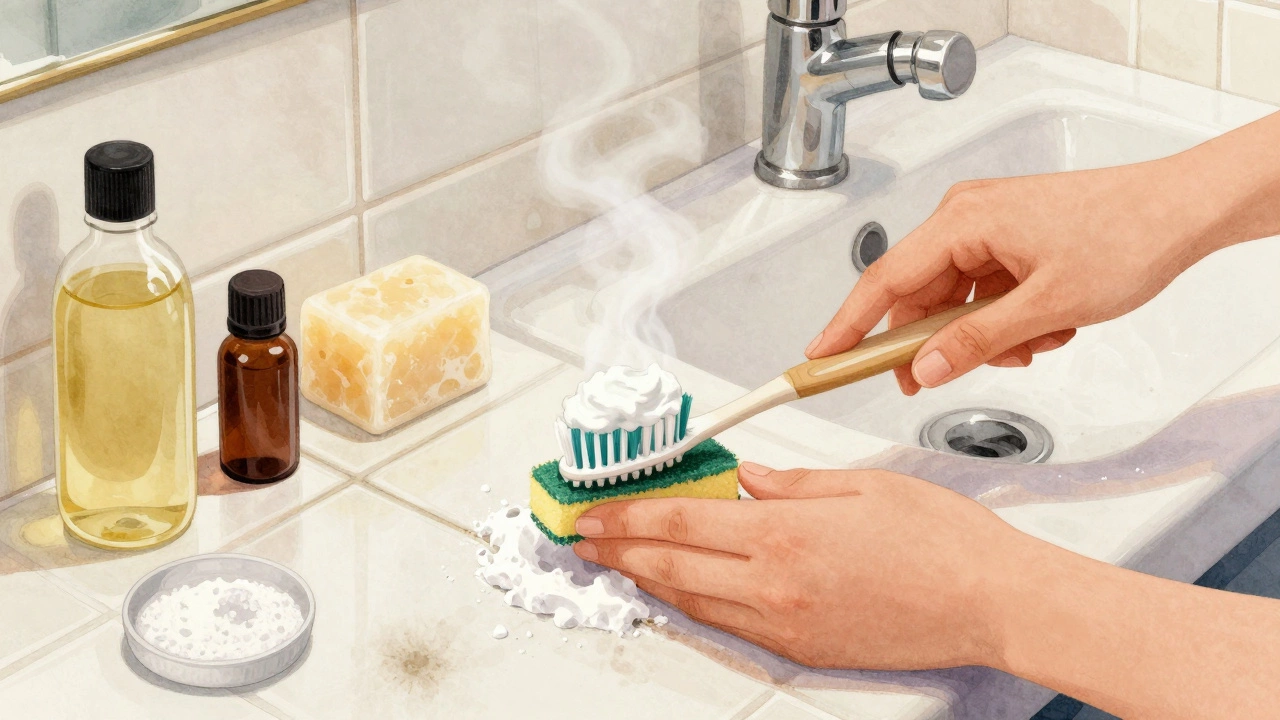
Make a paste with:
Apply with an old toothbrush. Let sit for 10 minutes. Scrub grout lines and rinse. This removes soap scum and mildew without bleach. I’ve used this in my Brighton flat for three years-no mold buildup.
Same as the all-purpose cleaner, but use isopropyl alcohol (70%) instead of vinegar:
Wipe with newspaper or a lint-free cloth. No streaks. No chemicals. And it dries faster than commercial glass cleaners.
Spread a thick paste of:
Over the bottom of a cool oven. Let sit overnight. Wipe away with a damp cloth. Grease lifts off like butter. No harsh fumes. No need to open windows.
Not every ‘natural’ tip is true. Here’s what to avoid:
Stick to proven methods. Don’t fall for TikTok hacks that sound scientific but aren’t.
There are limits. Natural cleaners are great for daily maintenance, but not for heavy-duty jobs:
Know when to switch gears. Natural doesn’t mean ‘always safe’-it means ‘safer than most alternatives’.
Even natural cleaners need care:
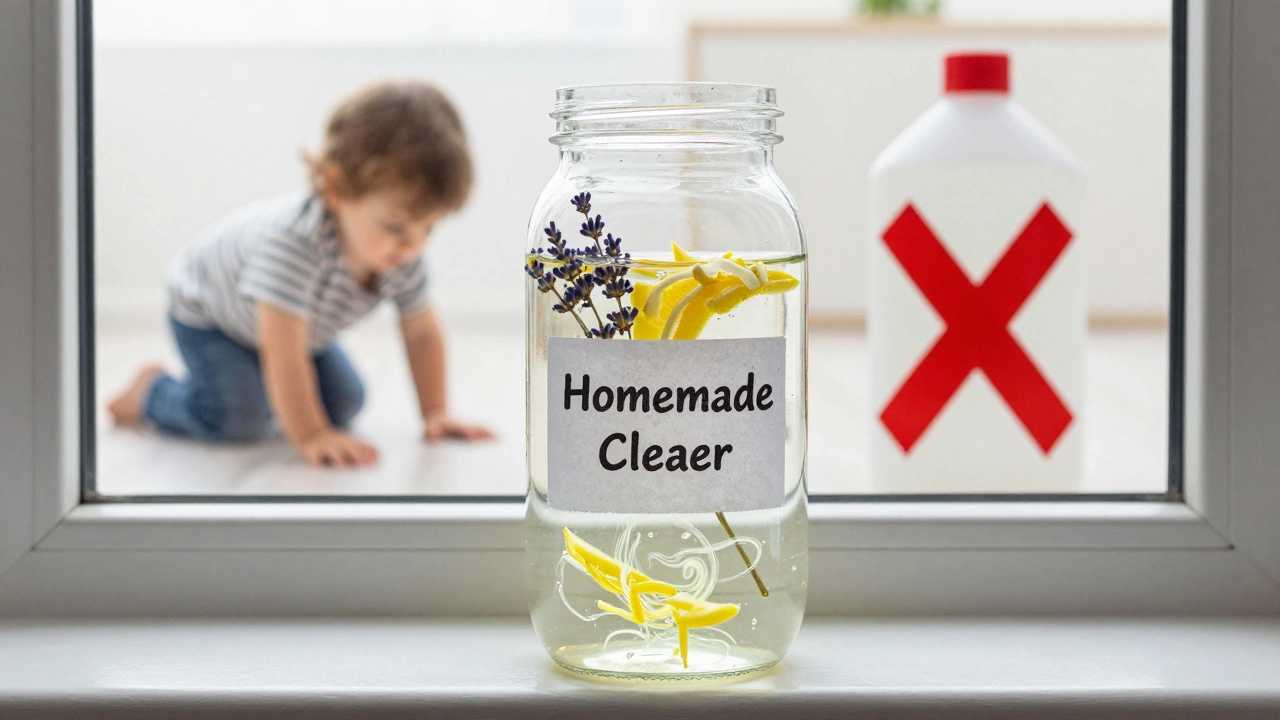
I keep mine in a labelled mason jar on the kitchen counter. No clutter. No chemicals. Just clean.
Let’s say you clean your home weekly. Here’s what it costs:
| Product | Cost per Use (UK) | Effective For |
|---|---|---|
| Store-bought all-purpose spray (£4.50, 500ml) | £0.30 | General surfaces |
| Homemade vinegar cleaner (500ml) | £0.05 | Grease, water stains, glass |
| Store-bought bathroom cleaner (£5.99, 750ml) | £0.40 | Mold, soap scum |
| Homemade baking soda scrub (makes 250g) | £0.07 | Grout, tubs, sinks |
| Commercial disinfectant wipes (£6.50, 80 wipes) | £0.08 per wipe | High-touch surfaces |
That’s 6x cheaper per use. And you’re not buying plastic bottles or toxic fumes.
You don’t need to go 100% natural overnight. Start with one room. Swap out your kitchen spray for vinegar and water. Try the baking soda scrub on your sink. See how it feels. Notice how your hands don’t get dry. Notice how the smell doesn’t linger. Notice how you stop worrying about your toddler crawling on the floor.
The best natural cleaning solution isn’t the one with the most ingredients. It’s the one you’ll actually use. Consistency beats perfection. A simple vinegar wipe today is better than a perfect eco-cleaner you never start.
Yes, but only for common household germs. White vinegar (5% acetic acid) kills 82% of mold species and most bacteria like E. coli and Salmonella. It’s not strong enough for hospital-grade disinfection, but for kitchens, bathrooms, and floors, it’s more than enough. The EPA doesn’t list vinegar as a registered disinfectant, but peer-reviewed studies back its effectiveness for everyday use.
Lemon juice works for light cleaning and deodorizing, but it’s not as strong as vinegar. It has citric acid, which helps dissolve mineral deposits and grease, but it’s weaker (pH around 2-3 vs vinegar’s 2.4). It’s great for cutting through grease on microwaves or brightening sinks, but for tough grime or disinfecting, stick with vinegar. Also, lemon juice can stain light wood or stone over time.
No, not when used properly. Baking soda is a mild abrasive-much softer than commercial scouring powders. It won’t scratch stainless steel, ceramic, or glass. But avoid using it on soft metals like copper or anodized aluminum, or on delicate stone like marble. Always test in a small area first. When mixed with water or soap, it becomes a gentle scrub that lifts dirt without damage.
Most last 2-3 months if stored in a cool, dark place. Vinegar and water solutions are stable indefinitely. Baking soda pastes should be made fresh weekly-they dry out and lose effectiveness. Castile soap mixtures may separate over time-just shake before use. Essential oils can oxidize after 6 months, so buy small bottles and use them within a year.
Yes. Unlike chemical drain cleaners, vinegar, baking soda, and castile soap are septic-safe. In fact, they help maintain healthy bacteria in your tank. Avoid large volumes of undiluted vinegar (more than a cup at once), but normal cleaning amounts won’t harm your system. Many UK septic system experts recommend natural cleaners as the best way to protect your tank.
Grab a spray bottle. Pour in equal parts vinegar and water. Add a few drops of lemon oil if you like. Clean your kitchen counter tonight. Feel the difference. Notice how your home smells clean-not chemical. Then move to the bathroom. Next week, try the baking soda scrub on your tub. You won’t need to buy another bottle of cleaner for months.
The best natural cleaning solution isn’t a product. It’s a habit. And it’s easier than you think.