Select options to see specific warnings.
Walk into most supermarkets today, and you are staring down aisles of plastic bottles filled with harsh chemicals. They promise a sterile home in seconds. But do they really deliver safety without costing you your health or the planet's? For years, we have been told that if it doesn't sting your nose, it isn't working. That logic is outdated. In 2026, the conversation around natural disinfectant cleaners has shifted from 'does it work?' to 'how well does it work compared to synthetics?'
The truth is, nature provides some of the most potent antimicrobial agents available. The challenge lies in knowing which ones actually kill germs versus those that just mask odors. You don't need a chemistry degree to sanitize your kitchen counter safely. You just need to know the right ingredients and how to use them effectively.
Before picking up a spray bottle, it helps to understand what 'disinfecting' actually means. Disinfection kills pathogens on surfaces. It is different from cleaning, which removes dirt and grime. Many natural products clean beautifully but fail to disinfect. To be effective, a natural agent must disrupt the cell walls of bacteria or deactivate viruses.
White Vinegar is a dilute acetic acid solution commonly used in households for cleaning and cooking. While popular, standard household vinegar (5% acidity) is not a registered disinfectant against all pathogens. It works well against mold and some bacteria like E. coli, but it struggles against resilient viruses. However, when combined with other agents, its efficacy improves significantly.
On the other hand, Hydrogen Peroxide is a colorless liquid chemical compound with the formula H2O2, widely used as an antiseptic and bleaching agent. At a concentration of 3%, it is highly effective at killing bacteria, viruses, and fungi by creating free radicals that destroy microbial cells. It breaks down into water and oxygen, leaving no toxic residue. This makes it one of the top contenders for serious disinfection tasks.
Not all natural cleaners are created equal. Here is a breakdown of the most reliable options available in 2026, ranked by their germ-killing power.
| Ingredient | Best Used For | Effectiveness Level | Safety Note |
|---|---|---|---|
| Hydrogen Peroxide (3%) | Kitchen counters, bathroom tiles, cutting boards | High (kills 99.9% of common bacteria) | Can bleach fabrics; keep away from sunlight |
| Tea Tree Oil | Bathroom surfaces, shower heads, drains | Medium-High (broad-spectrum antifungal) | Toxic to pets if ingested; use diluted |
| White Vinegar | Glass, mirrors, descaling kettles | Low-Medium (good for mold, weak on viruses) | Do not mix with bleach or hydrogen peroxide |
| Rubbing Alcohol (70%) | Electronics, door handles, small tools | High (fast-evaporating disinfectant) | Flammable; avoid porous surfaces |
| Lemon Juice | Removing stains, freshening air | Low (mild antibacterial properties) | Acidic; can etch stone surfaces over time |
You don't need to buy expensive pre-mixed solutions. Making your own ensures you control the ingredients and save money. Here is a recipe that balances potency with safety.
This mixture is excellent for high-touch areas like doorknobs, light switches, and refrigerator handles. Let it sit on the surface for at least five minutes to allow the contact time needed for disinfection. Wipe clean with a microfiber cloth.
Even with the best intentions, many people undermine their cleaning efforts with simple errors. Avoid these pitfalls to ensure your home stays truly hygienic.
Different rooms in your home face different types of contamination. Tailoring your approach ensures better results.
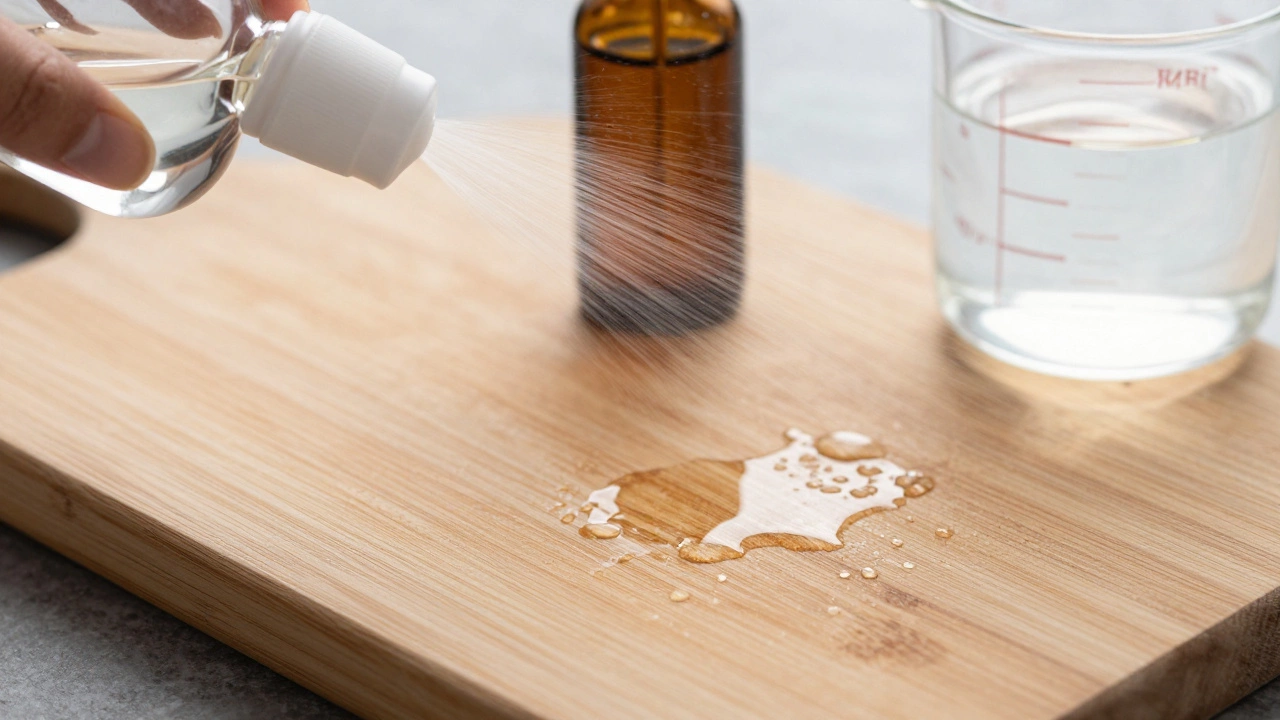
Kitchens harbor foodborne bacteria like Salmonella and Listeria. For cutting boards, especially wooden ones, hydrogen peroxide is ideal. It penetrates the wood grain slightly to kill bacteria without drying out the board like alcohol might. For stainless steel appliances, a mix of olive oil and lemon juice cleans and polishes while offering mild antibacterial benefits.
Bathrooms are breeding grounds for mold and mildew due to humidity. Tea tree oil is a powerhouse here. Its antifungal properties help prevent mold regrowth. Mix 1 teaspoon of tea tree oil with 2 cups of water in a spray bottle. Spray on shower walls and let it sit. No rinsing required. For toilet bowls, pumice stones and baking soda paste remove tough stains without harsh chlorine bleach.
For hard floors, a diluted vinegar solution (1 part vinegar to 10 parts water) is sufficient for routine cleaning. However, for disinfection after illness, use a hydrogen peroxide-based cleaner. For carpets, baking soda absorbs odors and lifts dirt. Sprinkle it liberally, let it sit for 15 minutes, then vacuum. It won't disinfect deep fibers, but it keeps the environment less hospitable to dust mites.
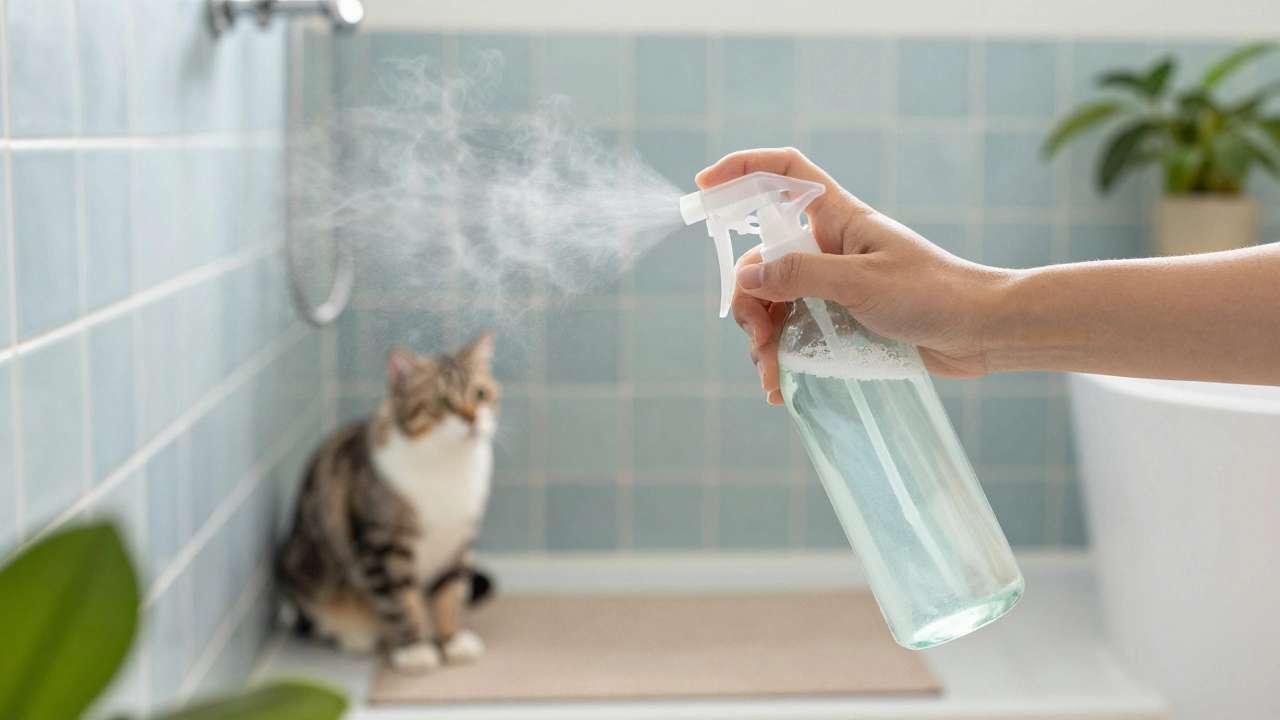
If you share your home with cats or dogs, ingredient safety becomes paramount. Many conventional cleaners contain ammonia or quaternary ammonium compounds, which are toxic to pets if ingested or absorbed through paw pads.
Hydrogen peroxide is generally safe once it dries, as it breaks down into water and oxygen. However, keep pets away during application. Essential oils require more caution. Tea tree, peppermint, and eucalyptus oils can be toxic to cats, who lack the liver enzymes to metabolize certain compounds found in these oils. If you have feline friends, stick to plain hydrogen peroxide or vinegar solutions and skip the essential oils entirely.
While natural methods are great for daily maintenance, there are scenarios where hospital-grade disinfection is necessary. If someone in your household has a compromised immune system, or if you are dealing with a specific viral outbreak like norovirus, natural cleaners may not be sufficient.
In these cases, look for EPA-registered disinfectants that list the specific pathogen on the label. After using a chemical disinfectant, you can follow up with a natural cleaner to remove any residual chemicals. This hybrid approach offers peace of mind without long-term exposure to harsh toxins.
Natural ingredients degrade faster than synthetic preservatives. Hydrogen peroxide loses potency when exposed to light and air. Store it in a dark, cool place. Once opened, a bottle of 3% hydrogen peroxide remains effective for about six months. Essential oils can last for years if stored properly, but their scent may fade. Vinegar has an indefinite shelf life, making it a pantry staple.
Label your homemade sprays with the date of creation. Trust your senses: if the smell changes or the solution looks cloudy, discard it and make a fresh batch. It costs pennies to remake, whereas using ineffective cleaner wastes your time.
Vinegar is a mild disinfectant. It kills about 80% of bacteria and some viruses, but it is not effective against all pathogens, such as staphylococcus or salmonella. It is best used for general cleaning and mold prevention rather than heavy-duty disinfection.
Never mix bleach with vinegar, ammonia, or hydrogen peroxide. Mixing bleach with vinegar creates chlorine gas, which is deadly. Mixing it with ammonia creates chloramine gas, which causes severe respiratory issues. Always use bleach alone and rinse thoroughly afterward.
Hydrogen peroxide needs a contact time of at least 5 to 10 minutes to effectively kill bacteria and viruses. Spray the surface, let it bubble and sit, then wipe clean. Shorter contact times reduce its efficacy significantly.
Essential oils should be used with extreme caution around infants and young children. Their skin is more absorbent, and their respiratory systems are sensitive. Lavender and chamomile are generally considered safer in very low concentrations, but it is best to consult a pediatrician before using any essential oil near babies.
Boiling water can kill many bacteria and viruses, but it is impractical for most household surfaces. It poses a burn risk and can damage delicate materials like electronics or painted wood. It is best reserved for utensils, cloths, and baby bottles that can withstand high heat.