Check if your cleaner is safe for your home based on the article guidelines about chemical risks and safe alternatives.
When you spray, wipe, or scrub your home, you’re not just cleaning surfaces-you’re breathing in what’s in the air. Many common cleaners contain chemicals linked to asthma, hormone disruption, and even long-term organ damage. The EPA and the American Lung Association have both flagged indoor air pollution from household products as a real health risk. So what’s the safest household cleaner? The answer isn’t a branded bottle on a store shelf. It’s a simple, proven combo you probably already have: vinegar, baking soda, and plain soap.
Look at the back of any all-purpose cleaner, bathroom spray, or glass cleaner. You’ll see a long list of ingredients you can’t pronounce. Ingredients like quaternary ammonium compounds (quats), chlorine bleach, and phthalates are common. These aren’t just chemical names-they’re health red flags.
Quats, often found in disinfecting wipes and sprays, are linked to respiratory issues. A 2021 study in the journal Environmental Health Perspectives found that children in homes using quats regularly had a 40% higher risk of developing asthma by age 7. Bleach releases chlorine gas when mixed with other cleaners, which can burn your lungs. Phthalates, used to make fragrances last longer, are endocrine disruptors. They can interfere with hormone levels and are especially risky for pregnant women and young kids.
Even "green" or "natural" labeled products can be misleading. The term "natural" isn’t regulated. A product can say "plant-based" and still contain synthetic preservatives or allergens. The only way to know what you’re using is to read the full ingredient list-not the marketing claims.
Forget expensive bottles. The most effective, safest, and cheapest cleaner you can use is a mix of white vinegar and baking soda. These two aren’t just kitchen staples-they’re science-backed cleaning agents.
Vinegar (acetic acid) is a mild acid that dissolves grease, mineral deposits, and kills 82% of mold species, according to the CDC. It’s non-toxic, biodegradable, and leaves no residue. Use it straight for glass, or dilute it 1:1 with water for general surfaces. Don’t use it on stone countertops-acid can etch marble and granite.
Baking soda (sodium bicarbonate) is a gentle abrasive that scrubs without scratching. It neutralizes odors instead of masking them. Mix it with water into a paste to scrub sinks, tubs, and ovens. It’s safe for kids and pets to be around-even if they lick it off the floor.
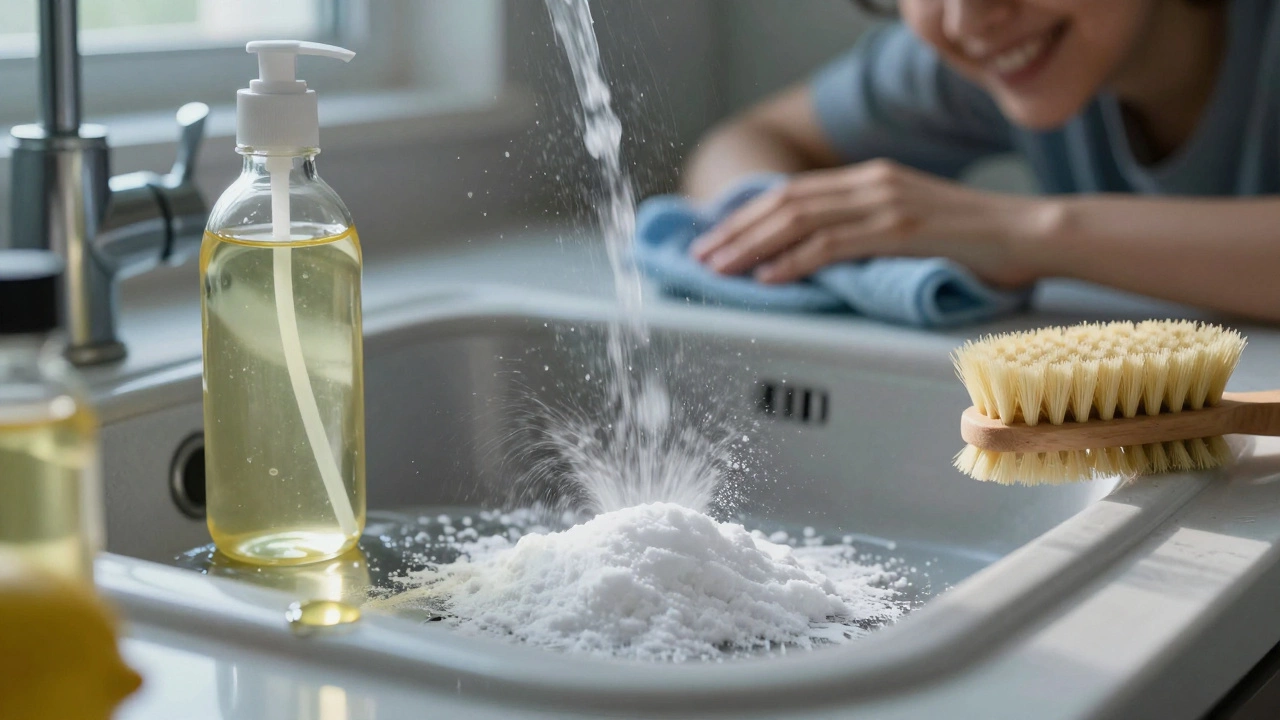
Used together, they’re unstoppable. Pour vinegar on a surface, sprinkle baking soda on top, and watch the fizz activate. That reaction lifts grime and loosens dirt. Let it sit for 10 minutes, scrub with a brush, then rinse. No chemicals. No fumes. No risk.
Not every job needs vinegar and baking soda. Here are three more safe alternatives backed by real-world use:
Some cleaners are dangerous enough to warrant a hard no:
If you’ve used any of these in the past, ventilate the area well and replace them. Your lungs will thank you.
You don’t need to buy anything special. Here’s a foolproof recipe that works on countertops, tile, stainless steel, and sealed wood:
Store it in a cool, dark place. It lasts 6 months. Label the bottle clearly. Use it daily. It cuts grease, kills germs, and smells fresh-without chemicals.
For tougher jobs like soap scum or hard water stains, keep a small jar of baking soda nearby. Sprinkle it on, scrub with a damp sponge, then rinse. No need for a second product.
One simple way to know if a cleaner is truly safe: ask yourself, "Would I let my toddler or my dog lick this?"
If the answer is no, don’t use it. Real safety isn’t about labels-it’s about what happens when a child touches a surface and puts their hand in their mouth. Baking soda? Safe. Vinegar? Safe. Castile soap? Safe. Bleach? Absolutely not. A commercial disinfectant with "fragrance"? Probably not.
Parents and pet owners who switched to vinegar and baking soda report fewer allergies, less sneezing, and less anxiety about cleaning. One mother in Portland told the Green Home Journal her son’s eczema cleared up within two weeks of switching cleaners. That’s not coincidence-it’s chemistry.
Using safe cleaners isn’t just about personal health. It’s about the environment. Every bottle of chemical cleaner you pour down the drain ends up in rivers, lakes, and drinking water. Phthalates, triclosan, and synthetic surfactants don’t break down easily. They accumulate in fish, frogs, and even human bloodstreams.
By choosing vinegar and baking soda, you’re reducing plastic waste (no need for 10 different bottles), lowering your carbon footprint (no shipping chemicals), and protecting aquatic life. It’s one of the easiest ways to make your home greener.
The safest household cleaner isn’t a product you buy. It’s a habit you build. Vinegar. Baking soda. Castile soap. Water. That’s it. No fancy packaging. No hidden toxins. No trade-offs.
These ingredients have been used for centuries because they work. They’re cheap. They’re available everywhere. And most importantly-they’re safe for your kids, your pets, your lungs, and the planet.
Stop buying cleaners that promise power but hide danger. Start with what’s simple. Your home-and your family-will be healthier for it.
No, vinegar is acidic and can damage natural stone like marble, granite, or limestone. It can also strip the finish on wood floors over time. Always test it on a small, hidden area first. For stone, use a pH-neutral cleaner like diluted castile soap instead.
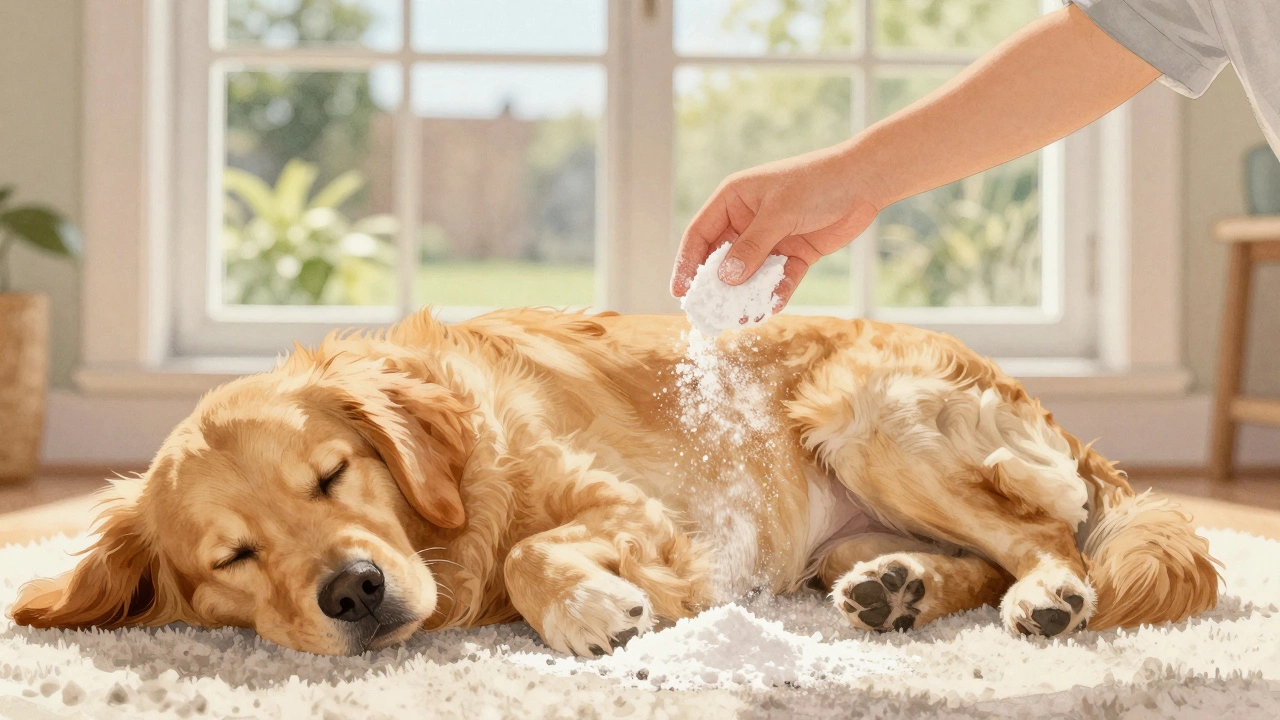
Yes. Sprinkle baking soda generously over your carpet, let it sit for at least 15 minutes (or overnight for strong odors), then vacuum. It absorbs smells without chemicals. For stains, mix it with a little water to form a paste, gently scrub, then blot dry.
Not always. Tea tree, citrus, eucalyptus, and peppermint oils can be toxic to cats and dogs if inhaled or ingested. Even diluted, they can cause vomiting, tremors, or liver damage. If you have pets, skip essential oils or use them only in very low concentrations and in well-ventilated areas.
Yes, but not like bleach. Vinegar kills many common bacteria and mold. Hydrogen peroxide (3%) is a better disinfectant and breaks down into water and oxygen. For high-risk areas like cutting boards or diaper changing stations, use hydrogen peroxide or boil water for sanitizing. For general cleaning, vinegar and soap are enough.
Because they’re often overpriced marketing. Many "green" cleaners use the same basic ingredients as vinegar and baking soda but add fancy packaging, branding, and unnecessary additives. You can make an equivalent cleaner for under $0.50 per bottle. Paying $10 for a bottle that’s 95% water and vinegar isn’t smart-it’s a scam.