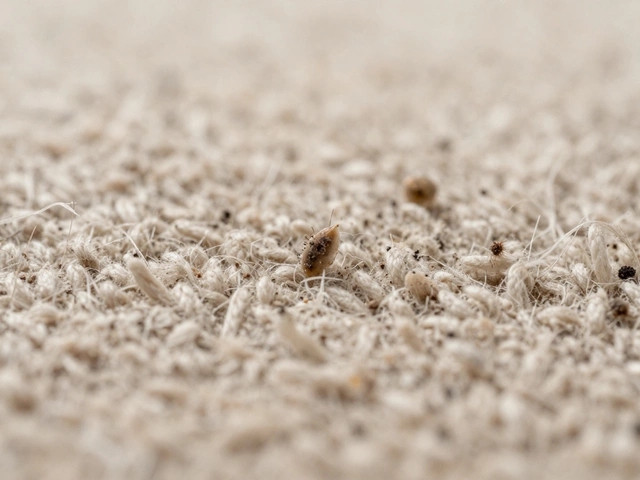
Strip the bed completely. Remove sheets and protectors. Vacuum the entire mattress surface with an upholstery attachment to remove dust mites and allergens.
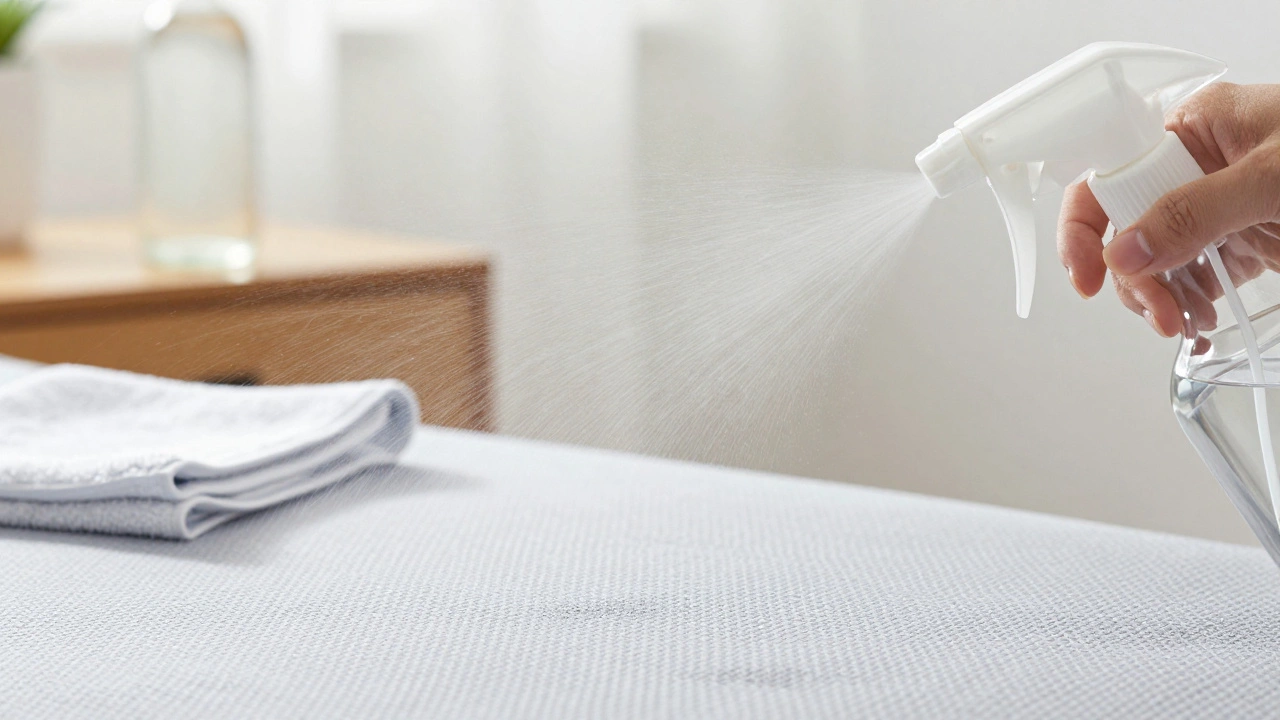
Mix equal parts white distilled vinegar and cold water. Lightly mist stains or odor areas. Do not soak. Let sit for 10–15 minutes.
Blot excess moisture with a microfiber cloth. Air dry thoroughly with fans or open windows. Critical step to prevent mold.
Once bone dry, sprinkle a generous layer of baking soda over the entire surface. Leave for at least 6 hours (overnight is best).
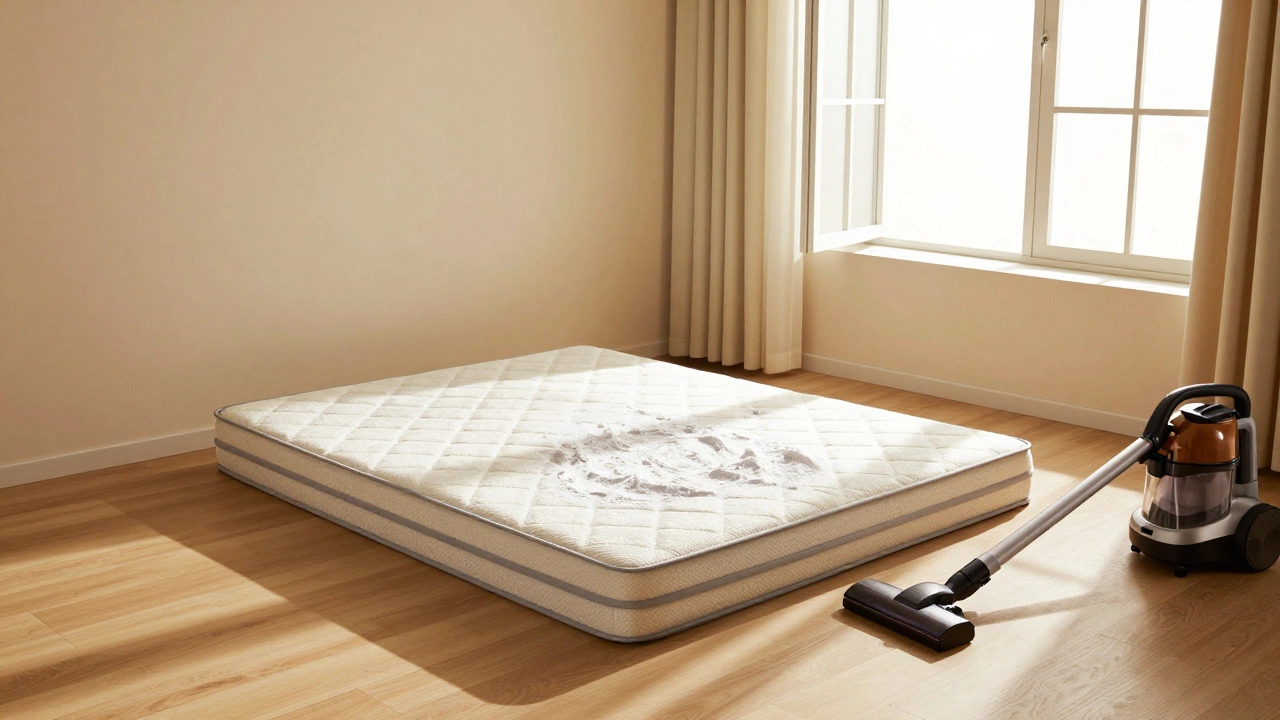
Vacuum the mattress thoroughly to remove all powder residue. Replace clean sheets.
Select what you did to check for errors:
You’ve probably seen the viral videos. A person pours white liquid over their bed, watches it fizz up like a science experiment, and then claims the mattress is spotless. It looks satisfying. But does mixing baking soda and vinegar actually clean your mattress, or is it just a messy trend?
The short answer is that the reaction itself doesn’t do much cleaning. However, using these two ingredients sequentially-rather than together-can be one of the most effective ways to remove odors, lift stains, and refresh your bedding without harsh chemicals. The key is understanding what each ingredient does individually and how to apply them correctly so you don’t end up with a damp, moldy sleeping surface.
To understand why this method works (or doesn’t), we need to look at the chemistry. When you mix sodium bicarbonate (baking soda) with acetic acid (vinegar), they undergo an acid-base reaction. This produces carbon dioxide gas, water, and sodium acetate. That’s the fizzing you see.
Here is the problem: once the reaction is complete, you are left with water and a mild salt solution. Sodium acetate isn’t a powerful cleaner. It doesn’t kill bacteria effectively, and it doesn’t break down organic stains like blood or sweat better than plain water would. If you pour this mixture directly onto your mattress, you are mostly just wetting it with salty water. The "cleaning" power comes from using the ingredients separately for their specific strengths.
| Ingredient | Chemical Name | Primary Function | Best Used For |
|---|---|---|---|
| Baking Soda | Sodium Bicarbonate | Absorption & Deodorizing | Odors, moisture control |
| Vinegar | Diluted Acetic Acid | Stain Breaking & Disinfecting | Urine, sweat, mold spores |
If you want to use this natural combination, you must separate the steps. First, you use vinegar to treat stains and disinfect. Then, you let it dry completely before applying baking soda to absorb remaining odors. Here is the process that actually works.
It is important to manage expectations. This natural approach is excellent for maintenance and light cleaning, but it has limits.
What it does well:
What it cannot do:
I’ve seen many people ruin their mattresses by rushing this process. Here are the pitfalls to watch out for.
Mixing Them Together Before Application: As mentioned earlier, mixing baking soda and vinegar in a bowl creates a fizzy mess that loses its individual cleaning powers. You get water and salt. Always apply them separately. Vinegar first for breaking down grime, baking soda second for absorption.
Soaking the Mattress: Memory foam and latex are porous. They absorb water quickly but release it slowly. If you saturate the mattress with vinegar solution, it can take days to dry. In humid climates, this invites mold and mildew. Always use a spray bottle for a light mist, not a bucket.
Skipping the Drying Step: Never put baking soda on a damp mattress. It will clump into a paste that is nearly impossible to vacuum up. Ensure the vinegar-treated areas are completely dry before proceeding to the deodorizing stage.
Using Colored Vinegar: Stick to white distilled vinegar. Apple cider vinegar or balsamic vinegar contain pigments and sugars. These can leave brown stains on light-colored mattress covers and create a sticky residue that attracts ants and cockroaches.
Natural cleaning is great for routine maintenance, but some situations require heavy-duty equipment. Consider hiring a professional mattress cleaner if:
Cleaning your mattress deeply every few months is good, but daily habits make a bigger difference. Here is how to keep your bed smelling fresh between deep cleans.
Use a Mattress Protector: This is the single best investment for mattress hygiene. A waterproof, breathable protector acts as a barrier against sweat, spills, and accidents. You can wash the protector regularly, saving the mattress underneath from direct exposure to grime.
Air It Out Weekly: Strip your sheets once a week and let the mattress breathe for an hour. Open a window to allow fresh air circulation. This reduces humidity buildup, which discourages mold and mites.
Rotate the Mattress: Rotate your mattress head-to-foot every three months. This ensures even wear and prevents body impressions from forming too quickly. It also spreads out any potential staining or odor concentration.
Keep Pets Off the Bed: If possible, discourage pets from sleeping on the mattress. Pet dander, saliva, and occasional accidents contribute significantly to mattress odor and allergen load.
No, you should not mix them together before application. The chemical reaction neutralizes both ingredients, leaving you with water and sodium acetate, which has minimal cleaning power. Instead, use vinegar first to treat stains and disinfect, let it dry, and then apply baking soda to absorb odors.
Vinegar can kill some dust mites due to its acidity, but it is not as effective as heat. To truly eliminate dust mites, you should combine vinegar treatment with thorough vacuuming using a HEPA filter. For best results, professional steam cleaning is recommended as the high temperature kills mites and their eggs instantly.
If used correctly, no. Diluted vinegar is safe for memory foam. However, soaking the foam with any liquid can damage its structure and lead to mold growth. Always use a spray bottle for a light mist and ensure the mattress dries completely before applying baking soda or putting sheets back on.
For best results, leave baking soda on the mattress for at least six hours. Overnight is ideal. The longer it sits, the more time it has to absorb moisture and trap odor molecules. Afterward, vacuum thoroughly to remove all residue.
No, avoid using apple cider vinegar on mattresses. It contains sugars and pigments that can leave sticky residues and brown stains on fabric. White distilled vinegar is clear, lacks sugar, and is much safer for upholstery and mattress covers.
Yes, the strong smell of vinegar dissipates completely as it dries. Within a few hours of airing out the room, there should be no trace of the vinegar scent. If you are sensitive to the initial smell, you can add a few drops of essential oil to the vinegar solution or open windows during the drying process.