Enter details about your oven glass stains to calculate the optimal cleaning time.
Ever looked at your oven door glass and seen a layer of baked-on grease, food splatter, or stubborn brown stains that won’t budge? You’re not alone. Most people reach for harsh chemical cleaners, but those can leave fumes, residue, and even damage the glass over time. So, can you use baking soda and vinegar on an oven door glass? The short answer is yes-and it’s one of the safest, cheapest, and most effective ways to get it sparkling clean without toxic chemicals.
Baking soda is a mild abrasive and a natural deodorizer. It breaks down grease and lifts grime without scratching surfaces. Vinegar is acidic, which helps dissolve mineral deposits and cut through sticky residue. When you combine them, they don’t explode or create dangerous fumes like some DIY cleaning myths suggest. Instead, they create a gentle fizz that helps lift dirt off the glass without damaging the surface.
This combo is especially gentle on oven door glass, which is often coated with a heat-resistant layer. Harsh oven cleaners contain lye or sodium hydroxide, which can eat away at that coating over time, making the glass cloudy or prone to cracking under heat. Baking soda and vinegar? They won’t do that.
Here’s how to do it right-no guesswork, no mess, no waiting days for results.
People often make mistakes that make cleaning harder-or worse, damage the glass.
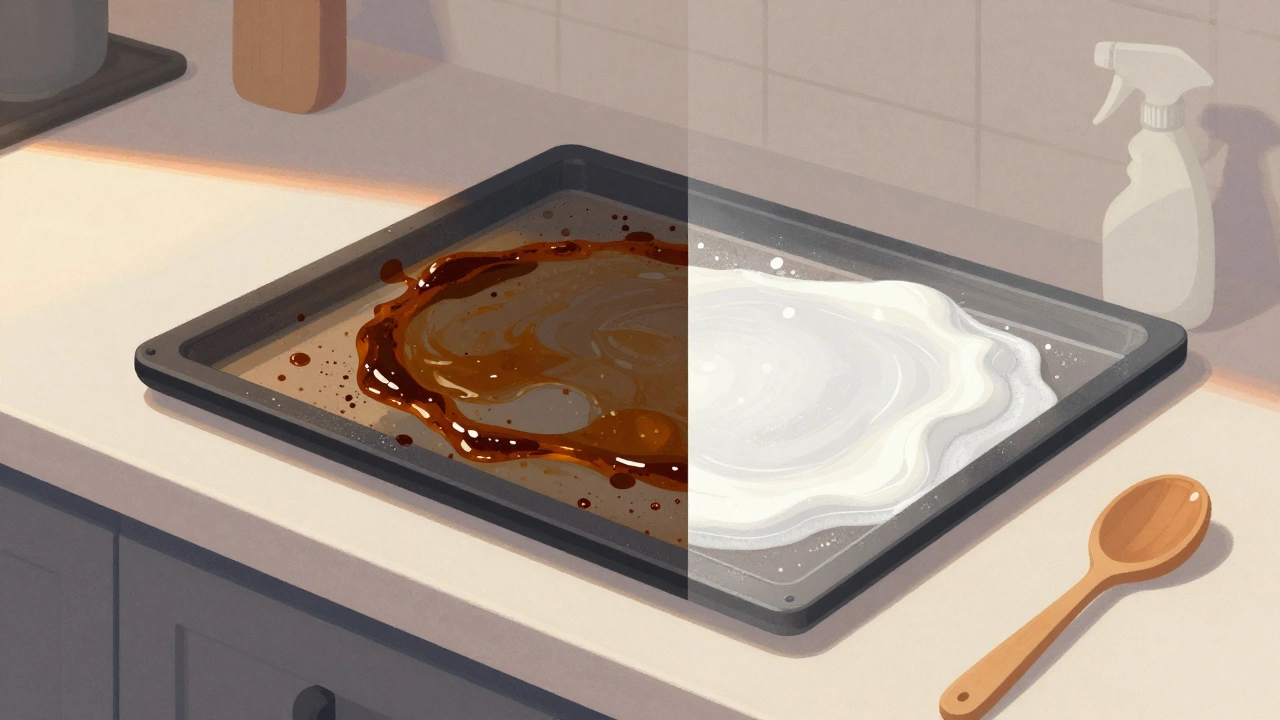
For most households, cleaning the oven door glass every 2-3 months is enough if you use the oven regularly. If you bake often or cook greasy foods like roasts or fried chicken, clean it monthly. Waiting too long lets grease bake into the glass, making it harder to remove.
Pro tip: After each use, wipe the glass with a damp cloth while it’s still warm (not hot). That prevents buildup and cuts your deep-cleaning time in half.
Here’s what you’re really getting when you choose baking soda and vinegar over store-bought sprays:
| Factor | Baking Soda + Vinegar | Commercial Oven Cleaner |
|---|---|---|
| Cost | $1-$2 per cleaning | $5-$15 per bottle |
| Time to work | 8-24 hours | 15-30 minutes |
| Toxic fumes | None | Strong, requires ventilation |
| Surface safety | Safe for glass, seals, and metal | Can damage coatings and rubber |
| Environmental impact | Biodegradable, non-toxic | Contains harsh chemicals |
| Residue left behind | None if rinsed | Often leaves chemical film |
Commercial cleaners might seem faster, but they cost more over time and can shorten the life of your oven. Baking soda and vinegar are slower, but they’re safer for your health, your oven, and the planet.
This method works on:
It won’t remove:
If your glass is scratched or discolored from years of chemical cleaners, baking soda and vinegar won’t fix it. But they’ll stop further damage-and restore clarity to most stained glass.
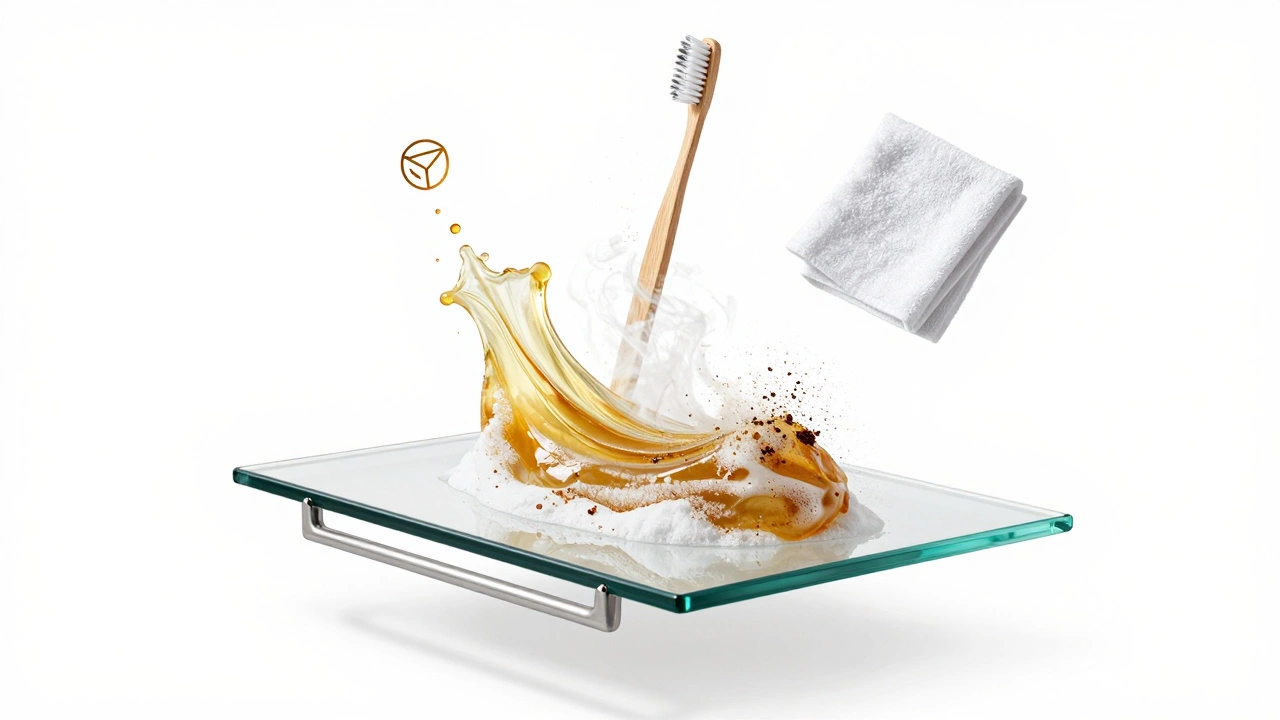
Over 60% of households use chemical oven cleaners, according to the Environmental Working Group. Many of these products contain ethylene glycol monobutyl ether, a known irritant and possible carcinogen. Baking soda and vinegar are non-toxic, safe around kids and pets, and don’t pollute waterways.
Plus, you’re not buying plastic bottles filled with chemicals you can’t pronounce. You’re using pantry staples that have zero packaging waste. It’s cleaning that respects your home and the environment.
If after 24 hours the stains are still there, try this:
If none of that works, the glass may have permanent damage. Consider replacing the door panel. Most oven manufacturers sell replacement glass for under $50.
You don’t need expensive tools or dangerous chemicals to clean your oven door glass. Baking soda and vinegar are proven, safe, and effective. They’re not magic-but they’re honest. And in a world full of overhyped cleaning products, that’s rare.
Start tonight. Make the paste. Leave it on overnight. Tomorrow, you’ll have a crystal-clear oven door without a single toxic fume. That’s not just cleaning. That’s smart living.
No, baking soda and vinegar won’t damage oven door glass when used correctly. Baking soda is a mild abrasive, and vinegar is a gentle acid. Together, they lift grease without scratching or etching the heat-resistant coating on the glass. Avoid using metal scrapers or harsh scrubbers, but the cleaning solution itself is safe.
Leave the baking soda paste on for at least 8 hours, but overnight (12-24 hours) works best. This gives it time to penetrate baked-on grease and loosen stubborn stains. Rushing the process means more scrubbing and less results.
You can, but white vinegar is better. It’s clearer, more acidic (5% acetic acid), and doesn’t leave behind color or residue. Apple cider vinegar may stain light glass or leave a faint tint. Stick with white distilled vinegar for best results.
Not always, but it makes cleaning much easier. Most modern ovens have removable doors. Check your manual for instructions. If you can’t remove it, clean in place-but cover the control panel with plastic wrap to protect it from drips.
Yes. Even if your oven has a self-cleaning feature, the door glass still needs manual cleaning. Self-cleaning cycles don’t reach the glass effectively, and they can leave behind residue. Baking soda and vinegar are safe to use on self-cleaning ovens and won’t interfere with the oven’s electronics.
Cloudiness usually means you didn’t rinse off all the baking soda residue. After scrubbing, wipe the glass with clean water and dry it with a lint-free towel. Hard water can also leave mineral streaks-use distilled water for rinsing if you have hard water.