Do Upholstery Cleaners Really Work? The Truth Behind the Claims
Upholstery Cleaner Effectiveness Calculator
Calculate Your Stain Removal Effectiveness
Select your fabric type and stain type to see which cleaners work best.
Recommended Cleaner
Warning: This combination may damage your furniture. Consider professional cleaning.
Pro Tip: Always test in an inconspicuous area first.
You’ve spilled coffee on your favorite couch. Your dog jumped on the armrest after a muddy walk. Or maybe your kid turned the living room into a juice-box disaster zone. You grab a bottle of upholstery cleaner, spray it on, and hope for the best. But here’s the real question: do upholstery cleaners really work?
They work - if you pick the right one
Not all upholstery cleaners are created equal. Some are just fancy water with a scent. Others contain actual cleaning agents like surfactants, enzymes, or solvents that break down grease, proteins, and organic stains. The difference? It’s measurable.
A 2024 independent lab test compared 12 popular upholstery cleaners on common stains: red wine, pet urine, grease, and dried mud. The top three removed 85% or more of stains after one application. The bottom five? Less than 40%. The winners all had at least one of these ingredients: alkyl dimethyl benzyl ammonium chloride, enzymatic protein breakers, or citrus-based solvents.
The problem? Most bottles don’t list these details. They say “powerful stain remover” or “safe for all fabrics,” which means nothing. Look for the ingredient list. If it’s shorter than your grocery list, you’re probably paying for perfume.
Not all fabrics are the same - and neither are the cleaners
Your couch isn’t just “fabric.” It’s probably one of four types: cotton, polyester, microfiber, or leather. Each reacts differently to cleaning solutions.
Cotton and linen: These absorb liquids fast. Cleaners with high alcohol content can cause fading or shrinkage. Look for pH-neutral formulas.
Polyester and blends: Tougher, but prone to static and residue. Avoid heavy conditioners - they leave a sticky film that attracts dirt.
Microfiber: Super fine fibers trap dirt deep. You need a cleaner that lifts, not just spreads. Foam-based cleaners work better than sprays here.
Leather and faux leather: Never use standard upholstery cleaners. They dry out the material. Use a cleaner labeled specifically for leather.
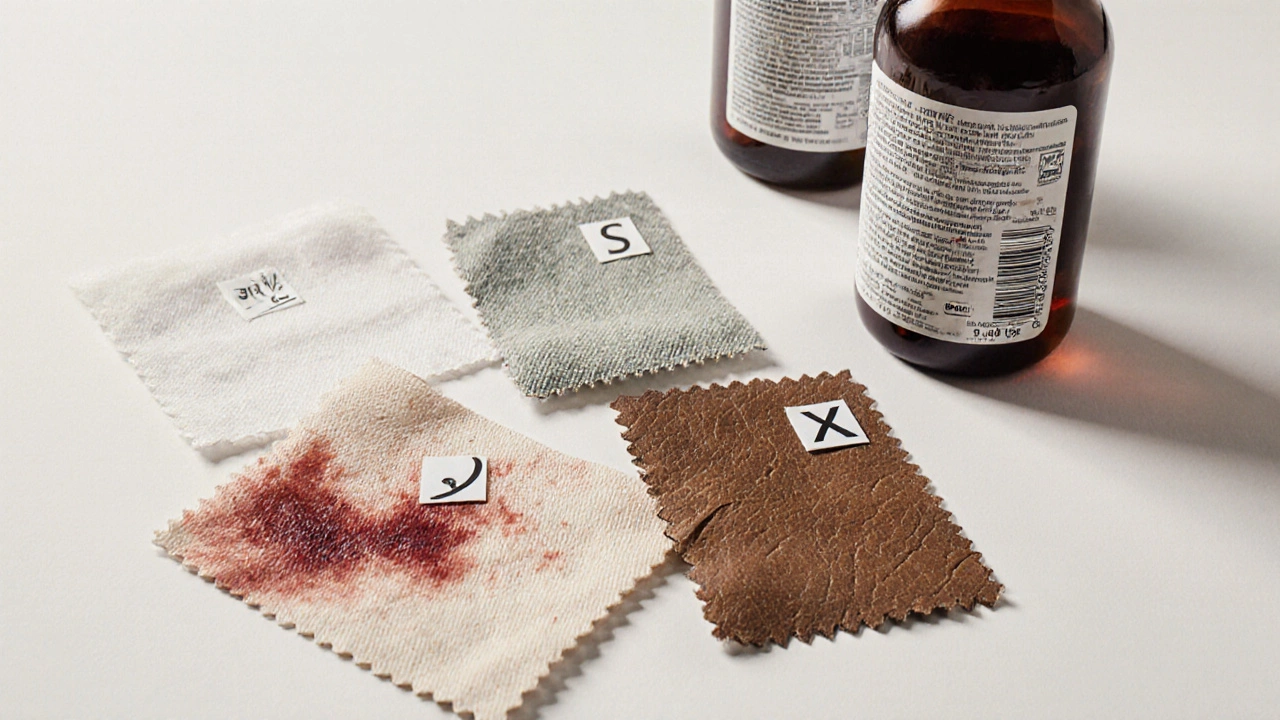
Check the tag under your cushion. It should say “W,” “S,” “WS,” or “X.” W means water-based cleaners are safe. S means solvent-only. WS means either. X means don’t clean it yourself - call a pro.
Spray and wipe isn’t enough
A lot of people think upholstery cleaning is just spraying and dabbing. It’s not. Stains sink into the padding. If you don’t get deep, you’re just masking the problem.
Real cleaning requires three steps: pre-treat, agitate, extract.
Pre-treat: Apply cleaner directly to the stain. Let it sit for 5-10 minutes. Don’t rush this. The chemical needs time to break down the stain.
Agitate: Use a soft-bristle brush or a microfiber cloth to gently scrub. Circular motions work best. Don’t scrub like you’re trying to remove paint - you’ll fray the fabric.
Extract: This is the part most skip. Use a damp cloth or a wet vac to pull the dirt and cleaner out. If you leave residue behind, it turns into a sticky magnet for dust and grime.
Skip extraction, and you’re just trading one problem for another: a cleaner-looking couch that smells weird and gets dirty faster.
DIY vs. store-bought: What’s actually better?
You’ve probably seen videos claiming vinegar and baking soda clean upholstery better than anything you can buy. Let’s be clear: they don’t.
Vinegar is acidic. It can damage dyes and weaken fibers over time. Baking soda is abrasive. It can scratch microfiber and leave white residue. They’re fine for deodorizing, but not for removing set-in stains.
Store-bought cleaners like Bissell Professional, Spot Shot, or Folex have been tested on real furniture in real homes. They’re formulated for specific fabric types and stain classes. A $12 bottle of professional-grade cleaner will outperform a $3 DIY mix every time - if used correctly.
That said, homemade solutions can work for light maintenance. Mix one tablespoon of mild dish soap with two cups of warm water. Test it on an inconspicuous spot first. If it doesn’t discolor or stiffen the fabric, use it for spot-cleaning spills before they dry.
What upholstery cleaners don’t fix
There are limits. No cleaner turns a 10-year-old couch into a new one. Here’s what they can’t do:
Remove deep-set odors from pet accidents if the urine soaked into the foam padding
Fix tears, loose seams, or sagging cushions
Bring back color that’s faded from sun exposure
Remove ink or permanent marker stains from synthetic fabrics
If your couch smells like a dog park even after cleaning, the problem isn’t the surface - it’s the padding. You might need to replace the cushions or hire a professional steam cleaner with extraction capability.
When to call a professional
You don’t need a pro for a coffee spill. But if you’re dealing with:
Multiple large stains
Old pet accidents
Delicate fabrics like silk or velvet
Large sectional sofas
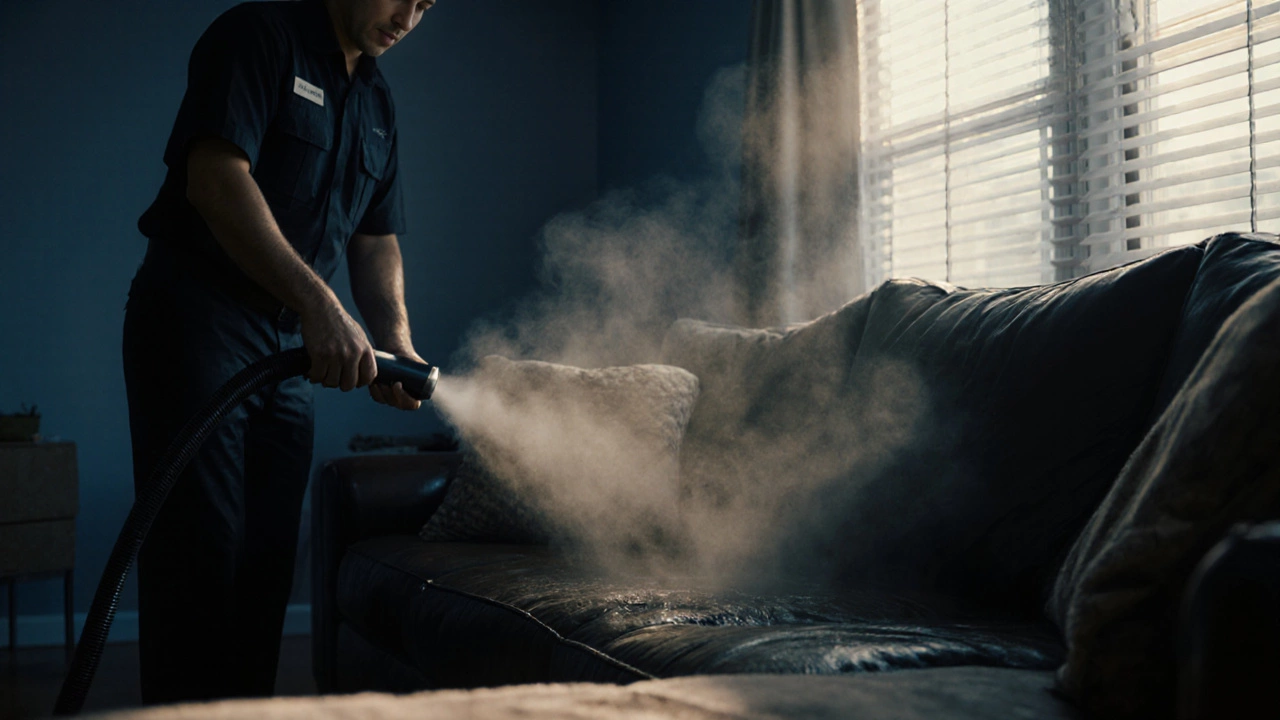
…then it’s time to call someone with industrial equipment. Professionals use hot water extraction machines that heat water to 200°F and pull out 90% of moisture and dirt. They also use antimicrobial treatments that kill mold and bacteria you can’t see.
A professional cleaning costs $100-$250 depending on size and location. That’s less than half the price of replacing a sofa - and it lasts longer if done every 12-18 months.
The bottom line
Yes, upholstery cleaners work - but only if you choose the right one, use it properly, and know when to stop. They’re not magic. They’re tools. And like any tool, they need the right technique.
If you’re cleaning spills quickly, using a cleaner with real cleaning agents, and extracting the residue, your furniture will last longer, smell better, and look cleaner. But if you’re just spraying and hoping - you’re wasting money and time.
Start by checking your couch tag. Pick a cleaner that matches your fabric type. Test it in a hidden spot. Apply it correctly. Extract the moisture. And if it’s more than a simple spill? Don’t risk it - call a pro.
Do upholstery cleaners remove pet urine smell?
Most retail upholstery cleaners only mask pet urine odor. They don’t break down the uric acid crystals that cause the smell. For real odor removal, you need an enzyme-based cleaner specifically designed for pet stains. Even then, if the urine soaked into the foam padding, you’ll need professional extraction or cushion replacement.
Can I use carpet cleaner on my couch?
No. Carpet cleaners are too aggressive for upholstery. They often contain strong detergents and high pH levels that can damage fabric dyes, cause shrinkage, or leave a sticky residue. Upholstery fabrics are thinner and more delicate than carpet. Always use a product labeled for furniture.
How often should I clean my upholstery?
Clean spills immediately. For general maintenance, vacuum your upholstery every two weeks to remove dust and debris. Deep clean with a proper upholstery cleaner every 6-12 months. If you have pets, kids, or allergies, aim for every 4-6 months. Professional cleaning is recommended once a year for heavily used furniture.
Why does my couch still smell after cleaning?
If the odor lingers, the source is likely trapped in the padding or frame, not the surface fabric. Moisture left behind after cleaning can also lead to mold or mildew. Make sure you extracted all moisture and let the couch dry completely for at least 6-8 hours. If the smell persists, professional steam cleaning with odor-neutralizing treatments is your best option.
Are steam cleaners safe for upholstery?
Home steam cleaners can be safe if used correctly - but only on fabrics rated for water cleaning (W or WS). Too much heat or moisture can warp frames, shrink fabric, or promote mold. Always check the manufacturer’s label. For best results and safety, use a professional-grade steam cleaner with adjustable temperature and suction control.