Recommended Time:
There is nothing worse than sitting down for a movie night only to realize your couch smells like last week’s spilled coffee or that lingering pet odor. You grab the box of baking soda is a common household cleaning agent known for its deodorizing and mild abrasive properties. from the pantry, sprinkle it generously over the cushions, and then ask yourself the million-dollar question: how long do I actually leave it there?
The short answer is that you should leave baking soda on a couch for at least 20 minutes for light odors, but ideally overnight (8-12 hours) for deep-set smells. However, timing is just one part of the equation. If you leave it on too long, you might find yourself vacuuming up a fine white dust that has settled deep into the fibers, or worse, dealing with a residue that attracts dirt later. Getting this right saves your upholstery from damage while ensuring your living room smells fresh, not chemical.
Before we get into the clock-watching, it helps to understand why this cheap kitchen staple works so well on fabrics. Sodium bicarbonate, also known as baking soda, is an alkaline compound that neutralizes acidic odors rather than masking them. Most bad smells in homes-like sweat, urine, or spoiled food-are acidic. When baking soda touches these molecules, it chemically neutralizes them. It doesn’t just cover the smell with perfume; it removes the source of the odor.
Additionally, baking soda acts as a gentle absorbent. It pulls moisture out of the fabric. This is crucial because dampness breeds mold and mildew, which create their own distinct musty smells. By drying out the fabric slightly while neutralizing acids, it tackles two problems at once. Unlike harsh commercial sprays that can strip fabric protectants or cause discoloration, baking soda is pH-balanced enough for most delicate fibers.
Not every situation requires an all-nighter. The length of time you leave the powder depends entirely on what you are trying to fix. Here is a breakdown of how to gauge the right duration based on your specific problem.
A common mistake people make is thinking "more is better." Leaving baking soda on for three days straight won’t magically remove deeper stains, and it can actually make cleaning harder. The powder can compact over time, becoming difficult to extract completely with a standard vacuum cleaner.
Not all couches are created equal. Before you dump a cup of powder onto your furniture, check the tag or recall what material you bought. Some fabrics love baking soda; others hate it.
| Fabric Type | Safety Level | Notes & Precautions |
|---|---|---|
| Cotton & Linen | High | Durable natural fibers handle absorption well. Safe for regular use. |
| Polyester & Microfiber | Medium-High | Synthetic fibers repel some moisture. Ensure thorough vacuuming to prevent grit buildup. |
| Velvet | Low-Medium | Risk of crushing the pile. Use sparingly and brush gently after vacuuming. |
| Leather / Faux Leather | Very Low | Avoid direct application. Can dry out oils and cause cracking. Wipe with damp cloth instead. |
| Silk | Very Low | Too abrasive and risky for colorfastness. Professional cleaning recommended. |
If your couch is labeled "W" (water-based cleaners only) or "S" (solvent-only), baking soda is generally safe for "W" codes since it uses minimal moisture if applied dry. For "S" or "WS" codes, test a hidden area first. If you are unsure, the back of a bottom cushion is the perfect testing ground.
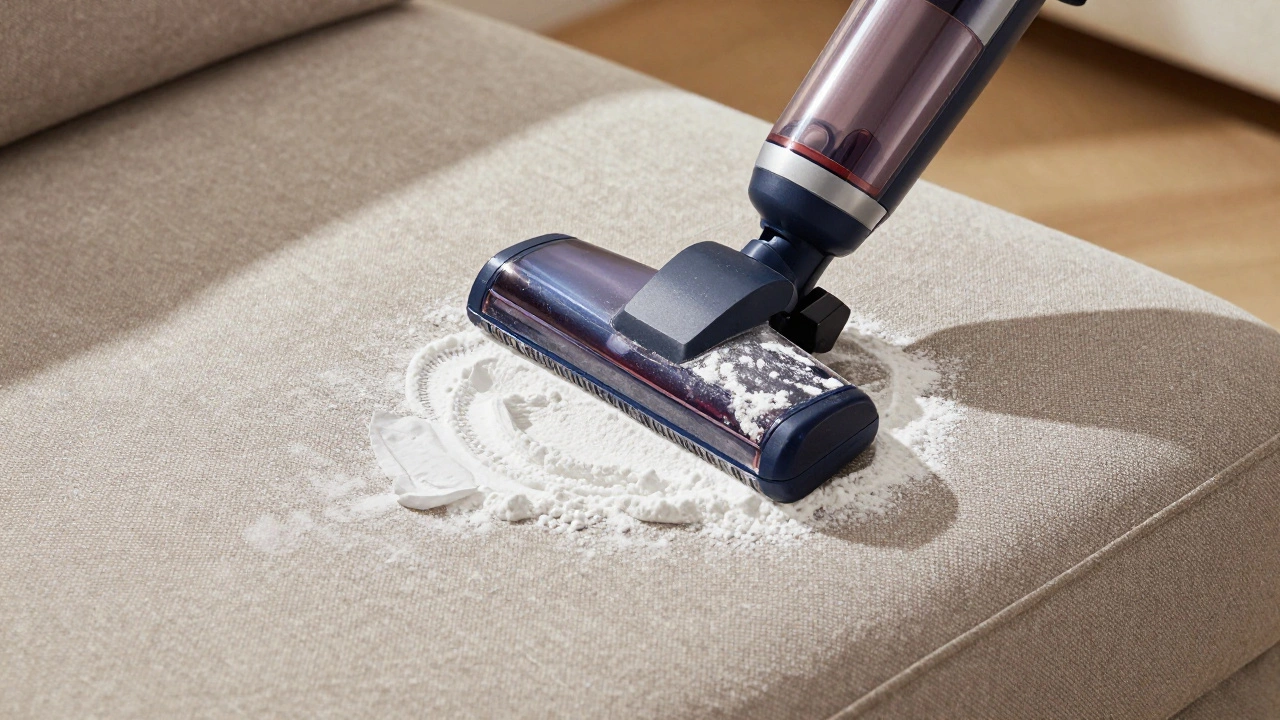
Throwing baking soda on randomly leads to uneven results and missed spots. Follow this method to ensure maximum odor removal without leaving a mess behind.
Even simple tasks have pitfalls. Here are the errors that turn a helpful cleaning hack into a headache.
Using Too Much Moisture: Some guides suggest mixing baking soda with water to make a paste. While this works for stain lifting on hard surfaces, it is risky for couches. Wetting the cushion foam can lead to mold growth inside the couch if it doesn’t dry completely within 24 hours. Stick to dry application for odor control. If you need to lift a stain, spot clean with a damp cloth and mild detergent separately, then let it dry before applying baking soda.
Incomplete Vacuuming: As mentioned, leftover powder is bad. But many people miss the crevices between cushions. Lift the cushions and vacuum underneath. Run the nozzle along the seams where fabric meets the frame. These hidden spots collect the most dust and odor-causing bacteria.
Ignoring the Source: Baking soda masks and neutralizes, but it doesn’t sanitize. If you have a recurring pet accident issue, baking soda alone won’t stop the animal from returning to the same spot. You need an enzymatic cleaner to break down the uric acid crystals first. Apply the enzyme cleaner, let it dry, then use baking soda for any remaining scent.
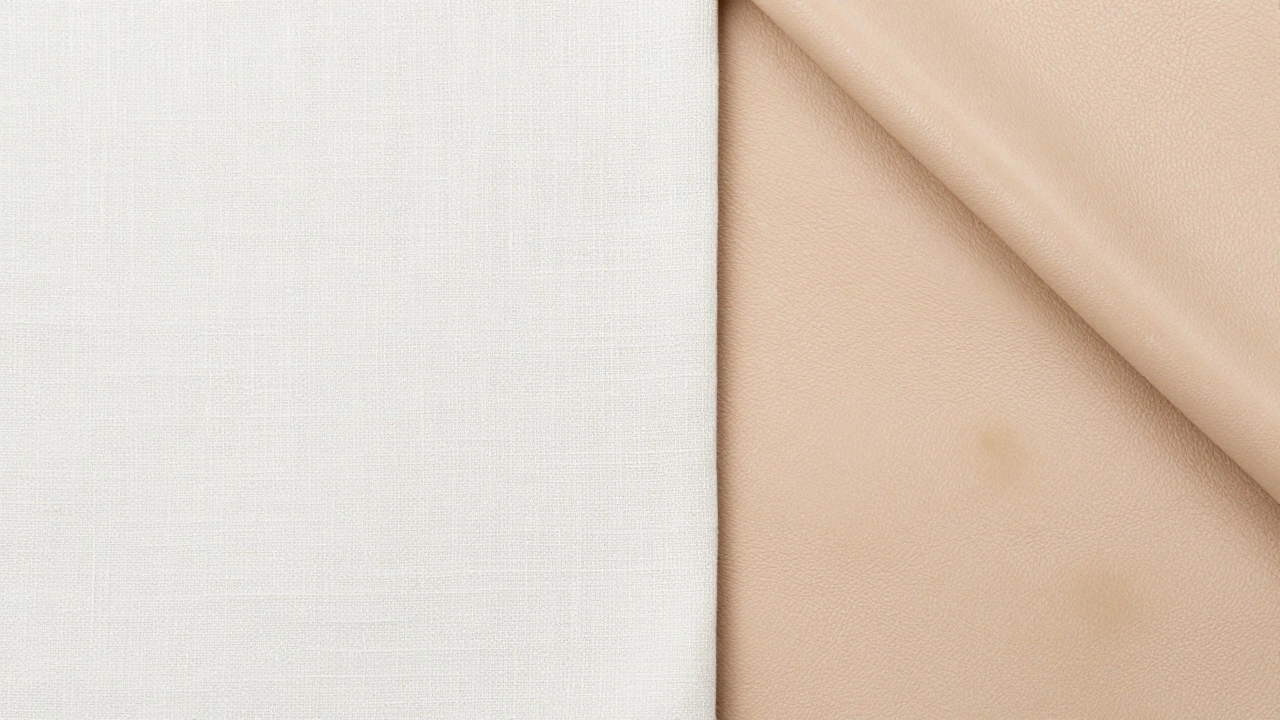
Sometimes, no matter how long you leave the baking soda, the smell remains. This usually means the odor is embedded in the foam padding, not just the fabric. In these cases, you may need to escalate your approach.
White Vinegar Spray: Mix equal parts white vinegar and water in a spray bottle. Lightly mist the fabric (do not soak). Vinegar is acidic, which cuts through alkaline odors differently than baking soda. Let it air dry completely. The vinegar smell will vanish as it dries, taking the bad odor with it.
Activated Charcoal: If you don’t want to deal with powders, place bowls of activated charcoal near the couch. Charcoal adsorbs volatile organic compounds (VOCs) from the air passively. It’s less aggressive than baking soda but works continuously over weeks.
Professional Steam Cleaning: For deep-seated biological stains (blood, vomit, urine) that have penetrated the foam, home remedies often fail. Steam cleaning injects hot water and extraction power that lifts contaminants from the core of the cushion. This is the nuclear option but often necessary for older couches with heavy usage.
You don’t need to treat your couch like a crime scene every week. Regular maintenance prevents odors from setting in deeply.
By understanding how long to leave baking soda on your couch and respecting the limits of your fabric type, you can keep your living space smelling fresh without risking damage. It’s a simple tool, but like any tool, it works best when used correctly.
It is not recommended to leave baking soda on a couch for more than 24 hours. While it won't necessarily damage the fabric immediately, the powder can become compacted and difficult to vacuum out completely. Over time, residual baking soda can act abrasively on fibers and attract dirt, making the couch look dingier. Stick to an overnight period (8-12 hours) for best results.
Pure baking soda is generally safe and non-bleaching for most colored fabrics. However, always perform a patch test in an inconspicuous area, such as under a cushion or on the back of the sofa, before treating the entire piece. If your couch has very delicate dyes or is made of silk, avoid using baking soda altogether to prevent potential fading or texture changes.
No, you should avoid applying baking soda directly to leather or faux leather. Leather requires specific conditioning to maintain its oils and flexibility. Baking soda is alkaline and can dry out the leather, leading to cracks and stiffness. For leather sofas, use a dedicated leather cleaner or a damp microfiber cloth with a tiny amount of mild soap.
If you cannot vacuum up all the baking soda, try using a handheld blower or compressed air to loosen the powder before vacuuming again. Alternatively, you can use a lint roller to pick up surface particles. For deep residue, lightly mist the area with water (if the fabric allows) to dissolve the soda, blot it up with a dry towel, and let it air dry completely. Avoid wetting non-water-safe fabrics.
Baking soda primarily neutralizes odors by altering the pH balance of acidic smell molecules. It is not a disinfectant and does not kill bacteria, viruses, or mold spores effectively. If you are dealing with a biological hazard like raw sewage or severe mold, baking soda is insufficient. You need a proper disinfectant or professional cleaning service to sanitize the upholstery safely.