See how much you could save by switching to green cleaning products based on your usage.
Based on article data: Traditional cleaners cost ~$0.12 per task, while green cleaners cost ~$0.07 per task.
For 30 tasks per month, traditional cleaners cost $3.60 vs. $2.10 for green cleaners, saving you $1.50 monthly.
When it’s time to freshen up the house, many of us reach for the familiar spray bottles that promise a sparkling shine. But those conventional products often hide harsh chemicals that can irritate skin, pollute waterways, and add to indoor air problems. Eco-friendly cleaning products are a type of cleaning solution that relies on natural, non‑toxic ingredients to get the job done while protecting health and the planet.
Traditional cleaners typically contain phosphates, ammonia, chlorine bleach, and synthetic fragrances. These ingredients can trigger asthma, allergies, and skin rashes, especially in children and pets. Moreover, when they wash down the drain they end up in rivers and oceans, where they disrupt aquatic ecosystems. By choosing green cleaning products, you reduce exposure to harmful chemicals, cut down on plastic waste (many eco‑brands use refillable containers), and support manufacturing practices that use renewable resources.
Understanding what makes a cleaner “green” helps you spot effective products and avoid green‑washing. Below are the most popular natural ingredients you’ll see on labels, each with a brief science‑backed explanation.
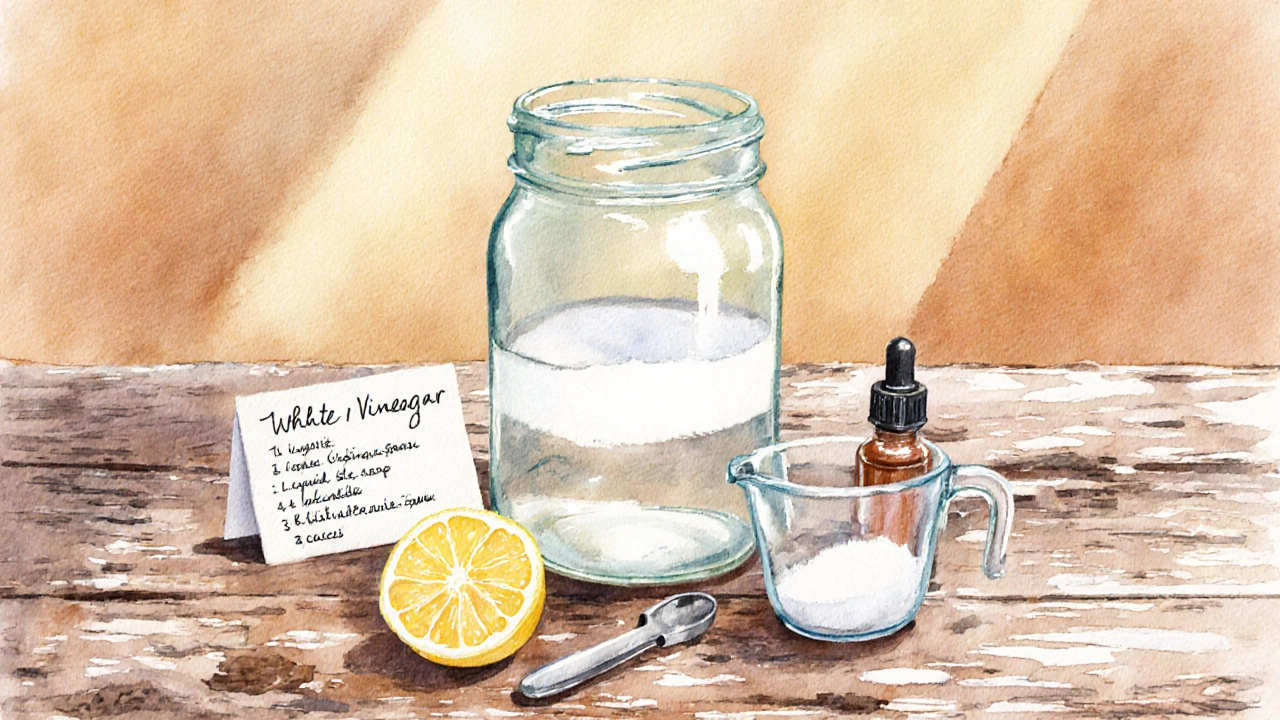
If you enjoy mixing your own solutions, these recipes let you replace several commercial bottles with a single set of ingredients. All measurements are in US cups unless otherwise noted.
These blends keep your home sparkling while avoiding the synthetic fragrances and phosphates found in many store‑bought brands.
Even if you prefer ready‑made cleaners, you can still stay green. Use this checklist when you’re browsing shelves or online catalogs.
Brands that consistently meet these criteria include Method, Ecover, and the UK‑based Ecozone. They combine plant‑based surfactants with biodegradable polymers to deliver strong cleaning power without compromising safety.
| Aspect | Conventional Cleaner | Green Alternative |
|---|---|---|
| Primary Ingredients | Ammonia, chloride bleach, synthetic fragrances | Baking soda, white vinegar, plant‑based surfactants |
| Health Impact | Can irritate skin, eyes, respiratory system | Non‑toxic, generally safe for children and pets |
| Environmental Load | Phosphates cause eutrophication; microplastics from packaging | Biodegradable, low‑impact packaging, often refillable |
| Cost (per use) | ~$0.12 per cleaning session | ~$0.07 per session when diluted |
| Effectiveness | Strong on tough stains but may leave residue | Comparable performance on most household soils; enzyme cleaners excel on protein stains |
The numbers show that greener options can match or beat traditional cleaners in cost and performance while delivering clear health and ecological benefits.

In most everyday situations - countertops, glass, bathroom tiles - natural cleaners perform just as well. For heavy-duty tasks like mold removal, enzyme or hydrogen‑peroxide based solutions can even be stronger than traditional bleach.
No. Acidic vinegar can etch marble, limestone, and travertine. Stick to pH‑neutral cleaners or a mild Castile‑soap mix for those surfaces.
Pure ingredients like baking soda and vinegar are essentially indefinite when stored dry. Liquid mixes should be kept in airtight containers and used within 3‑6 months.
Never mix them. The reaction creates peracetic acid, which can be harmful to lungs and skin. Use them separately for different cleaning steps.
Many UK supermarkets now host refill kiosks for brands like Ecodirect and Tesco’s own range. Look for “refill zone” signs near the cleaning aisle, or check the brand’s website for local locations.
Switching to greener cleaning isn’t a massive overhaul - it’s about swapping out a few key products and learning a couple of simple recipes. Your home becomes safer, your bills shrink a bit, and you do your part for the planet. Ready to make the change?