Select your kitchen size to get an accurate time estimate for a thorough deep clean.
Pro Tip: These estimates assume you're doing a thorough deep clean, including all areas mentioned in the article. If you're in a hurry, you can cut time by focusing on high-impact areas, but it won't be a true deep clean.
Deep cleaning a kitchen isn’t just about making it look nice-it’s about removing built-up grease, grime, and bacteria that regular wiping misses. But how long should it actually take? The answer isn’t one-size-fits-all. A small studio kitchen might take 90 minutes. A large family kitchen with a dishwasher, double oven, and island could easily hit four hours. What matters is knowing what’s involved, not just how long it takes.
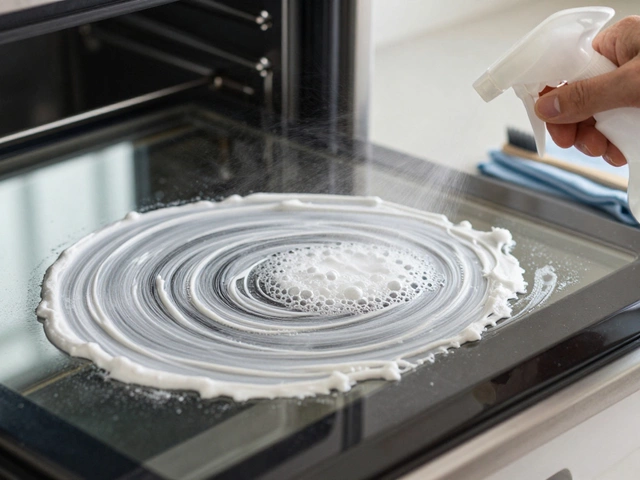
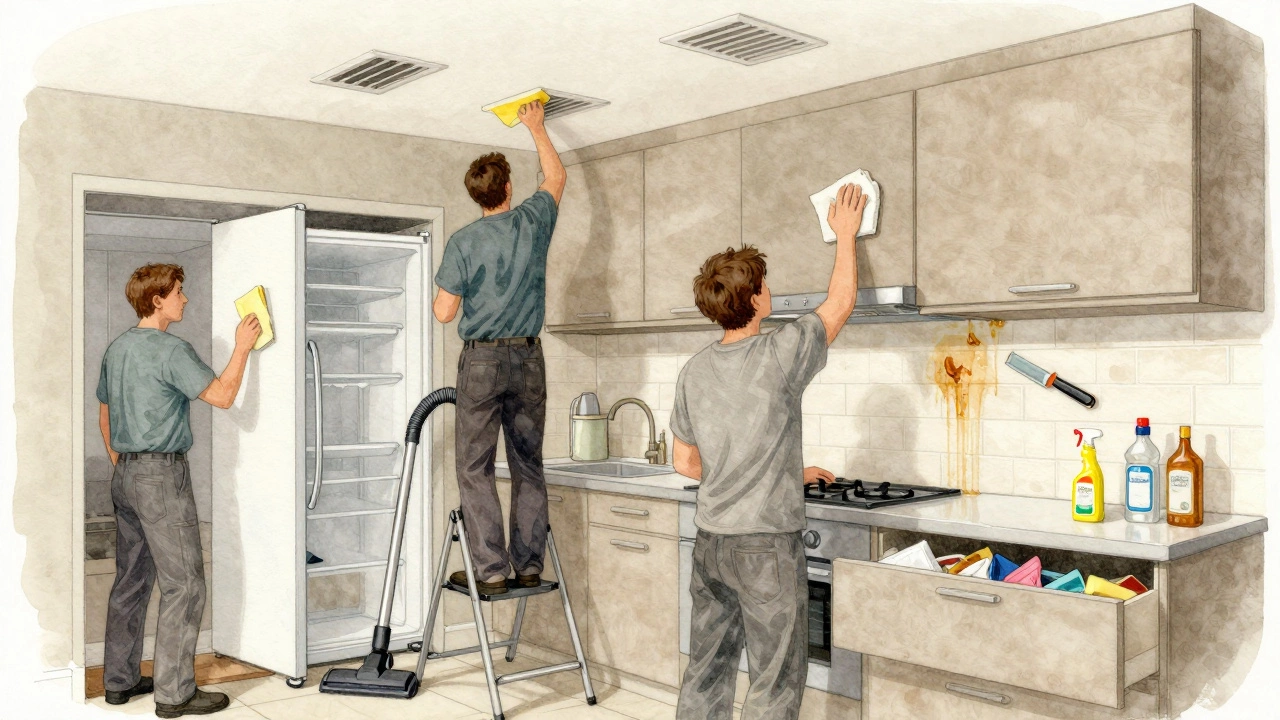
A deep clean goes beyond wiping counters and sweeping the floor. It means tackling everything that collects grime over weeks or months. That includes cleaning inside the oven, scrubbing the backsplash behind the stove, degreasing cabinet fronts, washing the inside of the fridge and freezer, emptying and sanitizing the trash can, and even cleaning the ceiling vents and light fixtures. It’s not just cleaning-it’s restoring.
If you’ve only been doing surface wipes, you’re missing the hidden mess. Grease builds up on range hoods. Mineral deposits form in sink drains. Crumbs hide under appliances. Mold grows in the rubber seals of the fridge door. A true deep clean removes all of it.
There’s no magic number, but most kitchens fall into three clear categories:
These times assume you’re doing it yourself, not rushing. If you’re trying to finish in an hour, you’ll miss half the job. And if you’re cleaning every corner, you’ll need to move appliances, take down shelves, and scrub under everything.
Here’s what a real deep clean looks like, broken into phases. Timing is based on a medium-sized kitchen.
That’s roughly 3.5 hours for a medium kitchen. If you skip any of these steps, you’re not doing a deep clean-you’re doing a quick tidy.
Most people think they’re slow because they’re lazy. That’s not it. The real delays come from:
Yes-but only if you’re okay with a shallow clean. If you’re short on time, focus on the top three high-impact areas:
That’s a 90-minute job. It looks better, smells better, and kills more germs than a quick wipe. But it’s not a deep clean. It’s a targeted refresh.
Real deep cleaning requires patience. You need to get under things. Behind things. Inside things. That takes time. And if you rush, you’ll have to do it again in a month.
Most households should deep clean their kitchen every 3 to 6 months. If you cook daily, especially with oil or fried foods, aim for every 3 months. If you’re light on cooking-once or twice a week-you can stretch it to 6 months.
But here’s the trick: if you do a quick daily wipe-down and weekly surface clean, your deep clean will take half the time. It’s like brushing your teeth daily versus waiting until your gums bleed.
After a deep clean, keep up with:
That routine cuts your deep clean time by 40% and keeps your kitchen healthier.
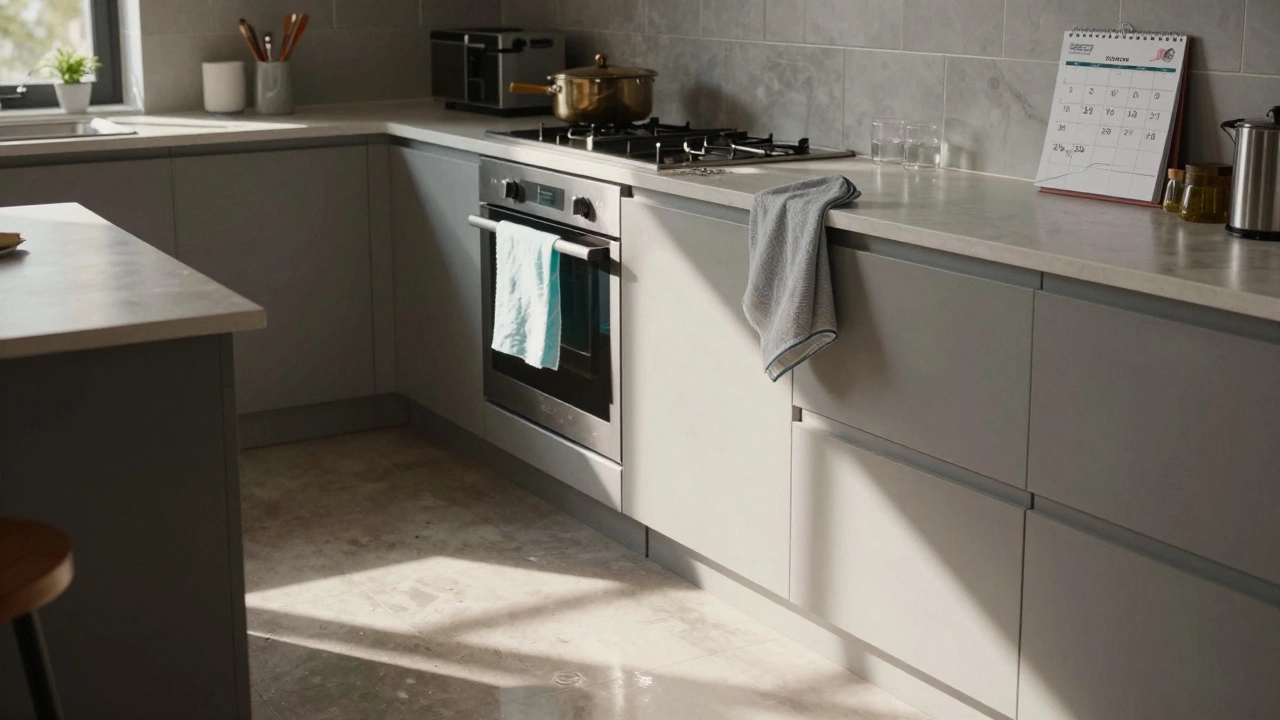
You don’t need a whole arsenal. Just these essentials:
That’s it. You don’t need steam cleaners, robot vacuums, or fancy sprays. Just the right technique and enough time.
Ignoring deep cleaning doesn’t just make your kitchen look dirty. It’s a health risk.
Grease buildup is a fire hazard-especially around stoves and hoods. Mold in fridge seals can trigger allergies. Bacteria like salmonella and E. coli live in sink drains and on cutting boards. Crumbs attract pests. And over time, the grime hardens into a layer that’s nearly impossible to remove without sanding or replacing surfaces.
One study from the University of Brighton found that kitchens cleaned every six months had 68% fewer airborne bacteria than those cleaned only monthly. That’s not a small difference. That’s the difference between a kitchen that feels clean and one that’s actually safe.
The first deep clean is always the hardest. You’ll find things you didn’t know were there. You’ll wonder how you lived like that. But after you do it once, you’ll see the difference. And the next time? It’ll take less time. You’ll know where the dirt hides. You’ll have a routine. You’ll even look forward to it.
Deep cleaning isn’t a chore. It’s a reset. And once you’ve done it right, you’ll never go back to half-measures.
A small kitchen (under 100 sq ft) typically takes 1.5 to 2 hours for a proper deep clean. This includes cleaning inside the fridge, oven, cabinets, and floors. If you skip moving appliances or cleaning behind them, you can finish in 90 minutes-but it won’t be a full deep clean.
Yes, you can. Most people do. A medium-sized kitchen takes about 3 to 4 hours total. Break it into blocks: morning for appliances and cabinets, afternoon for floors and final touches. Take breaks. Stay hydrated. It’s not a race-it’s a reset.
Yes. You can’t clean behind jars, tins, and spices if they’re still there. Emptying cabinets lets you wipe down the shelves, remove expired food, and check for pests or moisture damage. It’s the most time-consuming part-but it’s also the most important.
Remove the filters and soak them in hot water with dish soap and baking soda for 30 minutes. Scrub with a brush. For the hood surface, spray a degreaser, let it sit for 10 minutes, then wipe with microfiber cloths. A plastic scraper helps lift baked-on grease without scratching.
No. Bleach can damage plastic and leave a chemical smell that transfers to food. Use a mix of warm water and white vinegar (1:1 ratio). It kills germs, removes odors, and is safe around food. Wipe down shelves, drawers, and door seals. Dry with a clean cloth.
Every 3 to 6 months. If you cook daily, especially with oil or fried foods, aim for every 3 months. If you cook rarely, every 6 months is fine. Regular weekly wipes and monthly touch-ups will make your deep clean faster and easier each time.