Select your options to see estimated costs
How this works: Our calculator uses data from the 2026 London end of tenancy cleaning market to provide an accurate estimate based on your property type, location, and special factors.
Note: Actual costs may vary based on the cleaning company's equipment, insurance, and expertise. Always get a written quote before booking.
Getting your deposit back after moving out in London isn’t just about leaving the place clean-it’s about meeting your landlord’s expectations, passing the inspection, and avoiding last-minute stress. But how much should you actually expect to pay for professional end of tenancy cleaning? The answer isn’t simple. Prices vary wildly across boroughs, property sizes, and condition. In 2026, the average cost ranges from £150 to £500, but outliers can hit £700 or more if you’ve got a four-bedroom flat with heavy grease buildup or carpet stains from pets.
A professional end of tenancy clean isn’t just a quick vacuum and wipe-down. It’s a deep, detailed process designed to meet the standards set by most letting agencies and the UK’s Tenancy Deposit Scheme. Most reputable companies include:
Some companies throw in extra services like cleaning inside wardrobes or washing curtains, but these are usually optional add-ons. If your landlord’s checklist says "clean to professional standard," this is what they mean. Skip the basics, and you risk losing your deposit-even if you think the place looks fine.
Size matters more than you think. A studio flat in Camden might cost £150-£200, while a three-bedroom house in Richmond could be £400-£500. Here’s a rough breakdown based on property type in 2026:
| Property Type | Average Cost Range | Typical Time Required |
|---|---|---|
| Studio / 1-Bed Flat | £150 - £220 | 2-3 hours |
| 2-Bed Flat | £220 - £320 | 3-4 hours |
| 3-Bed Flat or House | £320 - £450 | 4-6 hours |
| 4-Bed+ House | £450 - £700+ | 6-8+ hours |
Don’t assume all cleaners charge the same per room. Some companies price by square footage, others by room count. A 300 sq ft studio might cost more than a 400 sq ft flat if it has a built-in kitchen with a dirty oven. Always ask for a quote based on your specific layout.
Not all end of tenancy cleaners are created equal. You’ll find everything from one-person operations using a rented vacuum to fully insured teams with commercial-grade equipment. The price difference comes down to:
Always check reviews on Google or Trustpilot. Look for mentions of deposit returns. If someone says, “I got my full £1,200 deposit back,” that’s a good sign.
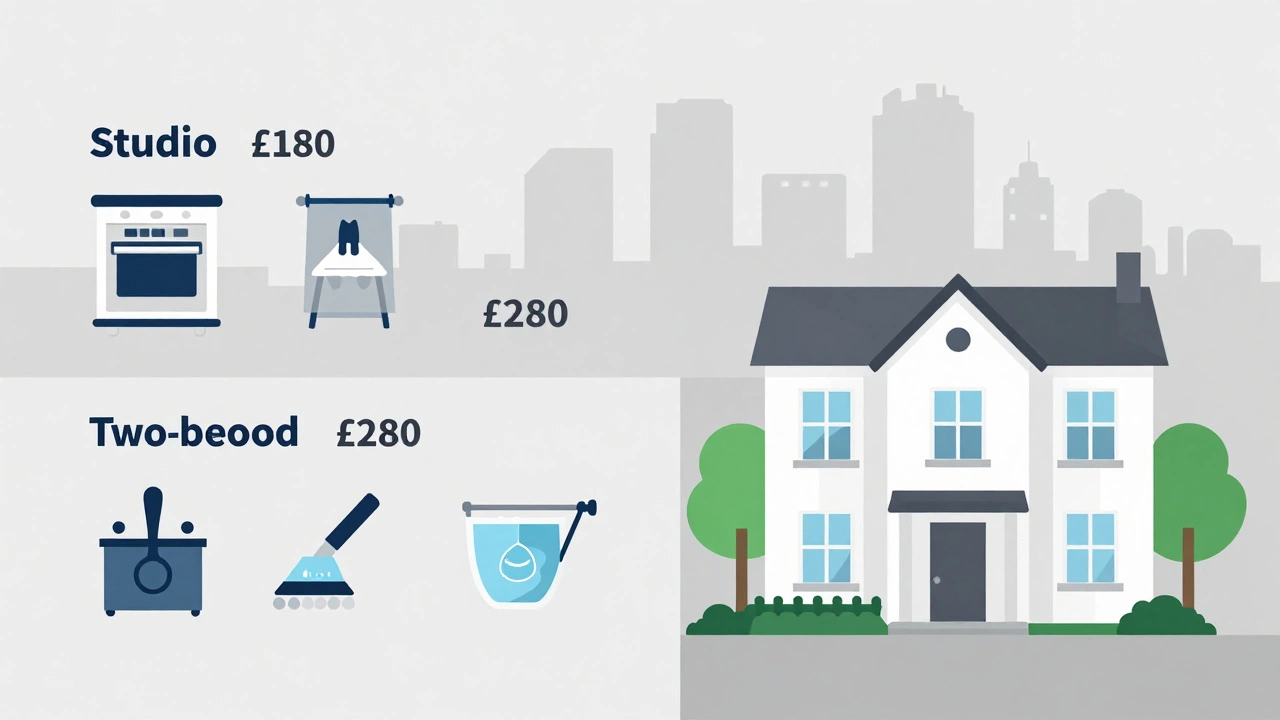
Even if you book a standard clean, unexpected issues can spike the bill. Here’s what adds extra charges:
One client in Hackney paid £650 because her flat had never been professionally cleaned in six years. The extractor fan was caked in grease. The fridge interior was moldy. The bathroom grout was black. She got her deposit back, but it cost her twice what she expected.
Technically, yes. But here’s the reality: 68% of people who try to DIY end of tenancy cleaning in London still get at least part of their deposit withheld, according to a 2025 survey by the National Landlords Association. Why? Because you don’t know what inspectors are looking for.
For example, you might think you cleaned the oven-but if the heating element has grease residue, or the seals around the door aren’t spotless, it fails. Or you might think the windows are clean, but if the frames have dust buildup or the sills aren’t sanitized, the agent will note it.
If you’re determined to DIY, get the landlord’s checklist first. Then hire a professional cleaner for just the high-risk areas: oven, bathroom grout, carpets, and windows. That hybrid approach often costs £100-£200 and gives you peace of mind without paying for a full clean.

The end of tenancy cleaning market in London is full of fly-by-night operators. Here’s how to spot them:
Check the company’s registration on Companies House. Search their name there. If they’re not registered, they’re operating illegally-and you have zero recourse if they do a bad job.
Don’t wait until the last day. Most cleaners book up 1-2 weeks in advance, especially during peak seasons (June-August and January). Schedule your clean 3-5 days before you move out. That gives you time to fix any issues they flag-like a broken tile or a missing lightbulb-before handing over the keys.
If you’re moving out on a Friday, book for Tuesday or Wednesday. That way, if the landlord isn’t happy, you’ve got time to get them back in before you leave.
Ask your cleaner for a signed certificate after the job. It should list what was cleaned, the date, and their company details. Many letting agents now require this. It’s not mandatory by law, but it’s your best proof that you hired a professional. If you don’t have it, you’re trusting your deposit to their word-and that’s risky.
End of tenancy cleaning in London isn’t a luxury. It’s a necessary step to get your money back. Paying £300 for a professional clean is cheaper than losing £500 in deposit deductions. Do it right, and you walk away with everything you’re owed.
No, it’s not legally required by UK law. But your tenancy agreement likely says you must leave the property in a clean condition. Landlords and letting agents can withhold your deposit if the property isn’t cleaned to the standard outlined in your inventory report. Most agencies use professional cleaning standards as their benchmark, so skipping it puts your deposit at risk.
Yes, but most professional cleaners bring their own eco-friendly, industrial-grade products designed to remove grease, limescale, and stains without damaging surfaces. If you want to use your own, tell the cleaner in advance. Some companies will adjust their process, but others won’t use outside products for liability reasons. Don’t assume they’ll use your stuff unless you confirm it.
No, you don’t need to be there. Most cleaners work while you’re out. Just make sure they have access-leave a key with a neighbor or use a lockbox. Give them a contact number in case they find something broken or missing. It’s best to do a walkthrough with them before they start if possible, so you both agree on what needs doing.
If you hired a professional and they gave you a certificate, you can send that to your landlord as proof. If they still refuse your deposit, you can challenge it through the Tenancy Deposit Scheme’s dispute resolution service. Most disputes are resolved in the tenant’s favor if there’s documented proof of professional cleaning. If you didn’t hire a pro, your chances drop significantly.
Usually not, unless you pay extra. Most end of tenancy cleaning packages cover the interior only. Balconies, patios, and gardens are often excluded. If your tenancy agreement says you must leave them clean, you’ll need to arrange this separately or do it yourself. Some companies offer outdoor cleaning as an add-on for £40-£80.
If you’re moving out in London, don’t gamble with your deposit. Book a professional clean, get the certificate, and walk away with every pound you earned.