Calculate the daily maintenance time required to make an every-other-week deep clean sustainable for your household.
Does your house feel like it’s sliding into chaos by day ten of your two-week cleaning cycle? You’re not alone. Many homeowners in the UK are rethinking their cleaning habits. With rising costs and busier schedules, the idea of a full professional same day cleaning service every single week is becoming less feasible. So, you ask yourself: is it actually okay to clean only every other week?
The short answer is yes, but with conditions. If you rely solely on a bi-weekly deep clean without any daily maintenance, your home will likely suffer from dust buildup, hygiene issues, and general clutter. However, if you combine a thorough bi-weekly session with light daily habits, you can keep your home spotless while saving time and money.
We often think of cleaning as a binary state: either your house is clean or it is dirty. In reality, cleanliness is a spectrum that degrades over time. Dust settles continuously. Footprints accumulate on floors. Bacteria grow in bathrooms. If you wait fourteen days to address these issues, you aren’t just cleaning; you are recovering from neglect.
Consider the difference between maintenance and remediation. Maintenance keeps dirt from setting in. Remediation requires elbow grease to remove stains that have bonded to surfaces. When you skip cleaning for two weeks, you shift from maintenance mode to remediation mode. This makes the actual cleaning process longer, more stressful, and physically demanding. Most people find that a two-week gap turns a 30-minute tidy-up into a three-hour marathon.
To understand why every-other-week cleaning might fail, we need to look at specific areas of the home. Different zones degrade at different rates. Ignoring this variance leads to hotspots of grime.
This isn't about being obsessive. It’s about biology and physics. Dirt doesn’t wait for your calendar. Understanding this helps you design a schedule that works with reality, not against it.
If you want to stick to an every-other-week professional or deep-clean schedule, you must compensate with daily micro-habits. This hybrid approach is the secret weapon of households that look pristine despite infrequent major cleans.
Think of daily habits as insurance. They prevent small problems from becoming big ones. Here is how you structure it:
By doing these small tasks, your bi-weekly deep clean becomes manageable. Instead of scrubbing baked-on grease, you are polishing already-clean surfaces. The difference in effort is massive.
Even with good daily habits, some tasks require specialized equipment or expertise. This is where professional cleaning services come in. Many people in Brighton and across the UK hire cleaners for specific reasons:
If you choose to hire help, consider alternating weeks. One week you do a light DIY tidy, the next week you bring in a pro for a deep clean. This balances cost and convenience effectively.
| Task | Daily Frequency | Bi-Weekly Impact | Professional Help Needed? |
|---|---|---|---|
| Dusting Surfaces | Yes (5 mins) | Low if maintained daily | No |
| Vacuuming Floors | Yes (High Traffic) | Medium (Dust buildup) | No |
| Bathroom Sanitizing | Spot Clean | High (Mold/Scum Risk) | Occasionally |
| Carpet Steam Clean | No | Critical (Allergens) | Yes (Twice Yearly) |
| Window Washing | No | High (Streaks/Dirt) | Yes (Bi-Monthly) |
Investing in the right tools can drastically reduce the time spent cleaning. If you are cleaning less frequently, your tools need to be more effective.
These tools act as force multipliers. They allow you to achieve better results in less time, making the bi-weekly schedule sustainable.
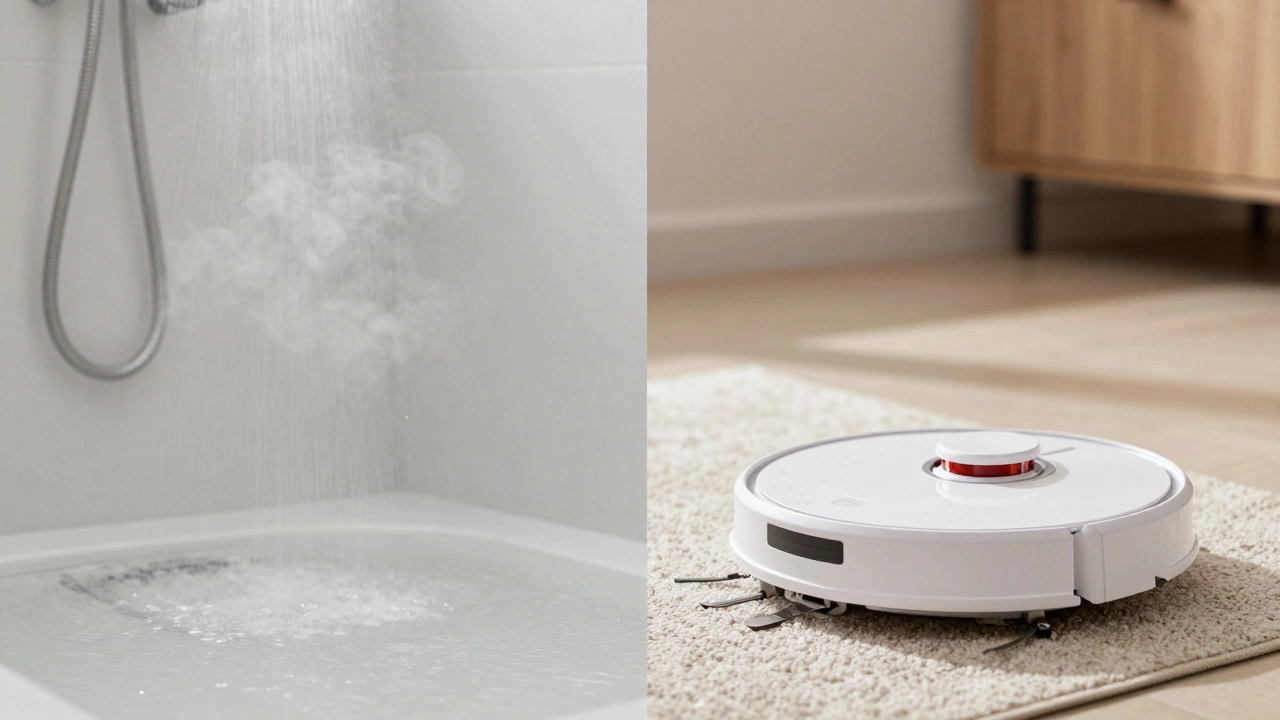
How do you know if every-other-week cleaning is working for you? Look for these red flags:
If you notice these signs, don’t abandon the bi-weekly idea entirely. Adjust it. Add one extra cleaning hour mid-week, or hire a cleaner for just the bathroom and kitchen every two weeks.
There is no one-size-fits-all solution. A couple without kids might manage easily with bi-weekly cleans. A family with pets and young children might struggle. Assess your household dynamics:
Flexibility is key. Some weeks you might have energy for a full clean; other weeks you might need to lean on professional help or lower standards temporarily. The goal is consistency, not perfection.
It depends on your daily habits. If you perform daily sanitization of high-touch surfaces and bathrooms, then yes, a bi-weekly deep clean is hygienic. However, if you do nothing for fourteen days, bacteria and mold can proliferate, especially in humid areas like bathrooms. Daily maintenance is non-negotiable for hygiene.
Hiring a cleaner every other week is a great option if budget allows. It ensures consistent quality without the physical toll on you. For many families, this strikes the perfect balance between convenience and cost. Look for services that offer recurring discounts to save money.
Experts generally recommend daily surface wiping and vacuuming, with a deeper clean of bathrooms and kitchens weekly. If you reduce frequency to bi-weekly, you must increase the intensity of your daily maintenance tasks to compensate for the longer gaps.
Use the "top-to-bottom" method: dust shelves first, then wipe counters, then mop floors. This prevents re-cleaning surfaces you’ve already done. Also, set a timer for 45-60 minutes to create urgency. Finally, invest in effective tools like robot vacuums to handle daily upkeep.
Yes, reducing professional cleaning visits saves direct costs. However, be aware that neglected homes may incur higher long-term costs due to damaged surfaces, stained carpets, or pest control issues. Regular maintenance protects your home investment.