Key Takeaways
To understand if you can replace vinegar with lemon juice, you have to look at what's actually happening on a chemical level. Both of these liquids are acids, which means they are great at breaking down alkaline substances. Things like soap scum, hard water stains, and most grease are alkaline. When the acid hits them, it breaks the molecular bond, making the dirt easy to wipe away.
White Vinegar is a diluted solution of acetic acid, usually around 5% concentration. It's a powerhouse for neutralizing odors and dissolving minerals because acetic acid is very efficient at penetrating hard surfaces.
Lemon Juice, on the other hand, relies on citric acid, a natural organic acid found in citrus fruits. While it's similarly acidic, citric acid is a chelating agent, meaning it binds to metal ions (like the calcium in hard water) and pulls them away from the surface.
Let's be honest: vinegar smells like a giant pickle jar exploded in your house. For many of us, that scent is a dealbreaker. This is where lemon juice wins. Not only does it smell fresh, but it has a few unique properties that vinegar lacks.
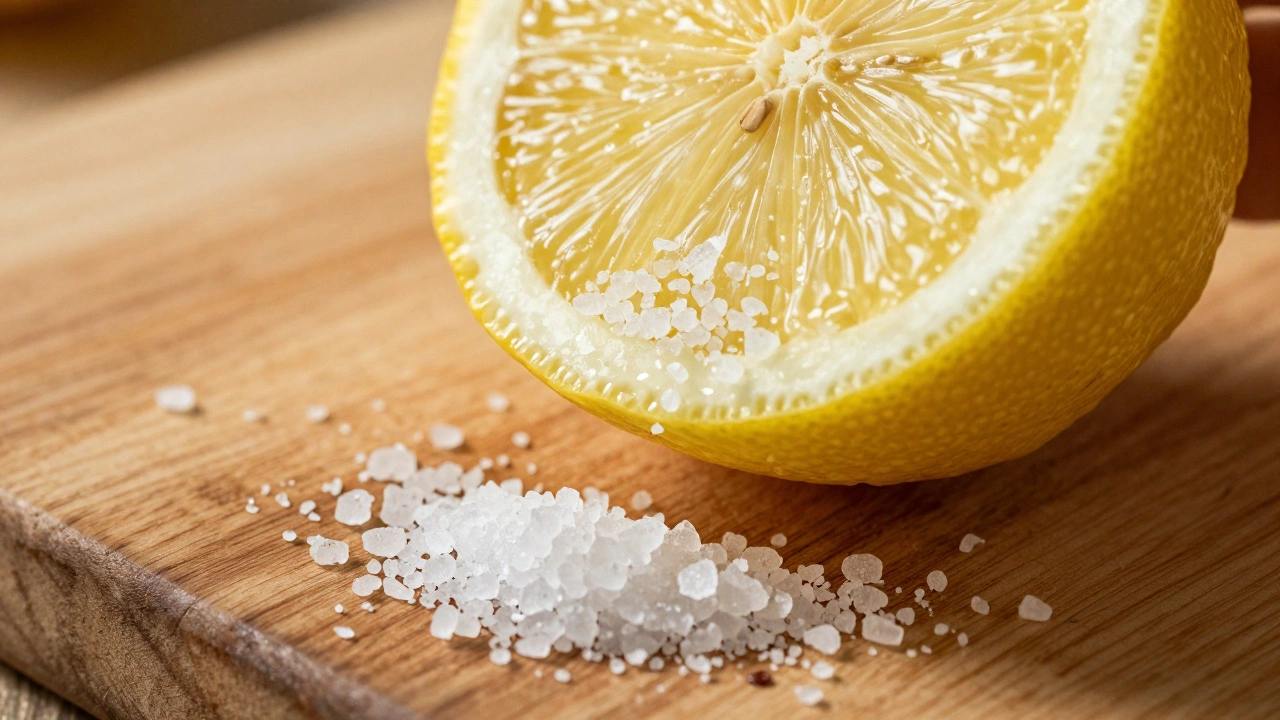
If you're cleaning a cutting board that's seen a lot of garlic or onion, lemon juice is the way to go. The citric acid kills a wider variety of surface bacteria and neutralizes food odors more effectively than acetic acid. I've found that rubbing a halved lemon directly onto a wooden board with a sprinkle of salt creates a natural abrasive that lifts stains and deodorizes at the same time.
It's also a fantastic choice for polishing chrome fixtures. If you have water spots on your bathroom taps, a bit of lemon juice can make them shine without that lingering vinegar scent. Just remember that because lemon juice contains natural sugars, you must rinse the surface with water afterward. If you don't, you'll end up with a sticky film that actually attracts more dust.
Despite the fresh scent of lemons, there are a few spots where you should stick to the vinegar. The biggest example is heavy-duty descaling. If your coffee maker or kettle is choked with white limestone buildup, Acetic Acid is generally more aggressive and faster at dissolving those thick mineral layers.
Vinegar is also far more economical. To get the same acidity as a gallon of white vinegar, you'd need to squeeze an impossible number of lemons. For large-scale projects, like cleaning the entire floor of a tiled room or scrubbing a large shower wall, the cost and effort of using fresh lemon juice just aren't practical.
| Feature | White Vinegar | Lemon Juice |
|---|---|---|
| Active Ingredient | Acetic Acid | Citric Acid |
| Scent | Strong/Pungent | Fresh/Citrus |
| Best Use | Limescale & Odors | Polishing & Degreasing |
| Residue | Low (Evaporates) | High (Sugary/Sticky) |
| Cost | Very Cheap | Moderate |
Whether you choose lemon juice or vinegar, there is one golden rule: stay away from natural stone. If you have Marble, Granite, or Travertine countertops, using either of these is a recipe for disaster. These stones are made of calcium carbonate. Since both lemon juice and vinegar are acids, they cause a chemical reaction that literally eats the stone. This is called "etching." It looks like a dull, permanent smudge or a rough patch on the surface that can't be wiped away.
Another area to be cautious with is finished wood. While a little lemon juice on a cutting board is fine, using a heavy vinegar-based solution on polished hardwood floors can strip the finish over time. The acid breaks down the polyurethane or wax coating, leaving your floors looking matte and vulnerable to water damage.
If you've decided to ditch the vinegar for a day, here are a few ways to use lemons effectively. First, try the "microwave steam" trick. Fill a bowl with water and a few squeezed lemon halves. Microwave it for 3-5 minutes until the window fogs up. The citric acid in the steam loosens dried-on food, allowing you to wipe the interior clean with a single swipe of a cloth.
For copper pots and pans, mix lemon juice with a bit of salt to create a paste. The salt acts as a gentle abrasive while the acid removes the oxidation (that dark tarnish). Rub it in with a sponge, let it sit for five minutes, and rinse. The result is a mirror-like finish that makes the cookware look brand new.
You can also make a simple all-purpose spray by mixing 1 part lemon juice with 2 parts water in a spray bottle. This works wonders on glass and mirrors, provided you use a microfiber cloth to buff it out. Just be wary of using this long-term; since it's an organic product, it can spoil if left in a warm cupboard for months. If it starts to smell fermented, toss it and make a fresh batch.
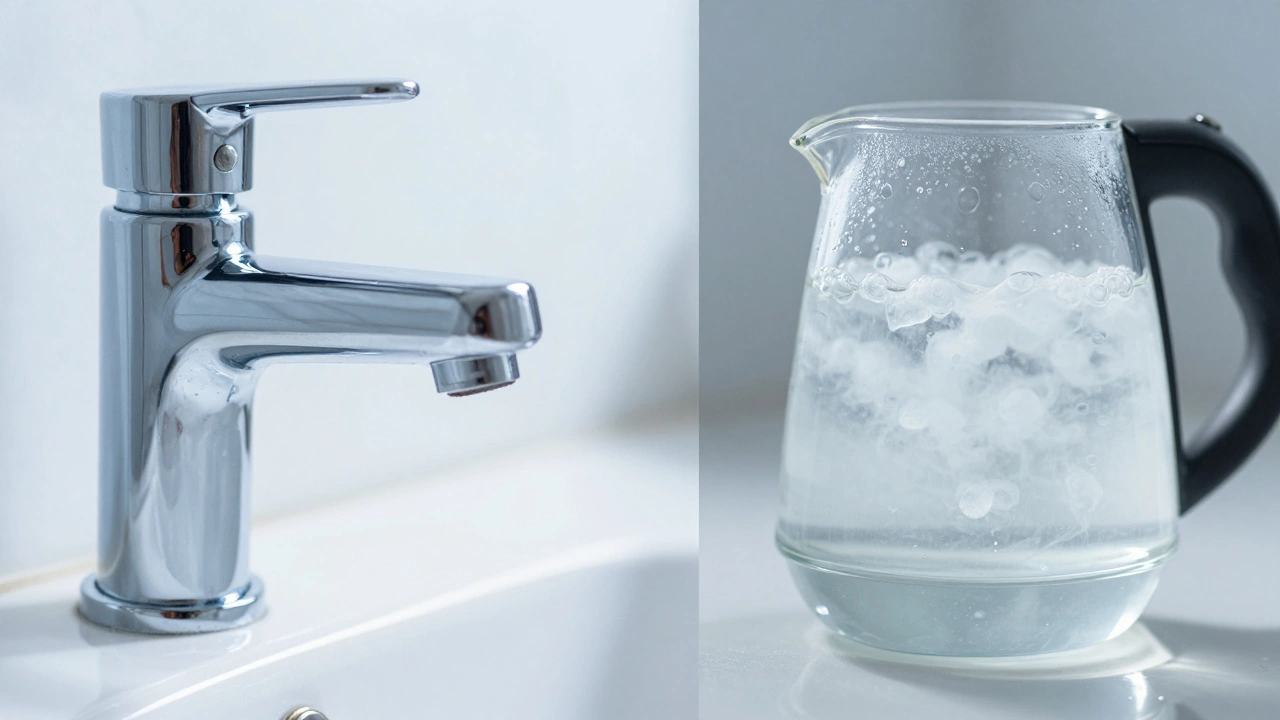
Still not sure which to use? Follow this simple logic. If you are dealing with a massive amount of hard water scale in a toilet bowl or a dishwasher, use vinegar. It's cheaper and more efficient for deep mineral penetration.
If you are cleaning a kitchen surface, polishing a faucet, or trying to remove a fishy smell from your hands or a countertop, reach for the lemon juice. The aesthetic and olfactory benefits far outweigh the slight loss in raw power.
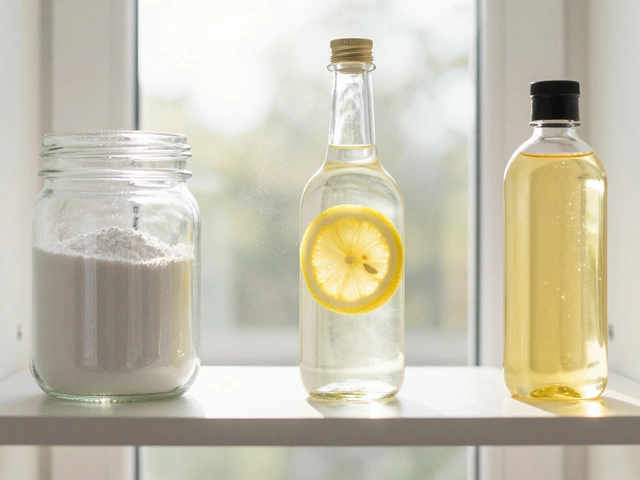
For those who want the best of both worlds, consider Citric Acid Powder. This is essentially the concentrated version of lemon juice. You can buy it in bulk, it's cheap like vinegar, but it doesn't have the pungent smell. Adding a tablespoon of citric acid powder to warm water creates a powerful, odorless cleaner that behaves exactly like a concentrated lemon juice solution.
Both are effective against some bacteria, but neither is a medical-grade disinfectant. Lemon juice is slightly better at breaking down certain organic biofilms and removing odors caused by bacteria, while vinegar's acetic acid is better at penetrating the cell walls of certain germs. For true sterilization, you'd need a product containing hydrogen peroxide or bleach.
You can, but there's no real chemical advantage to doing so. You're just mixing two different acids. It won't create a "super-cleaner," and it might actually make the solution more likely to leave a sticky residue due to the sugars in the lemon juice. It's better to use one or the other depending on the job.
Yes, it can. Because lemon juice is a natural bleaching agent (especially when exposed to sunlight), it can lighten fabrics. This is why people use it to remove stains from white linens, but you should never use it on dark or brightly colored clothes, as it may leave permanent light spots.
Since it contains organic fruit matter, it doesn't have the infinite shelf life of distilled white vinegar. A lemon and water mix typically lasts about 1 to 2 weeks. If you store it in the refrigerator, you can stretch it to a month. If it changes color or smells off, discard it.
Generally, yes. Most household plastics (like HDPE or PET) are resistant to mild acids. However, you should avoid using it on very old, brittle plastics or certain acrylics, as the acid can potentially cause "crazing" (tiny micro-cracks) over long periods of exposure.
Now that you know how to swap your acids, the next step is tackling the alkaline side of cleaning. To really clean a home, you need a balance. Pair your lemon juice or vinegar with Baking Soda (sodium bicarbonate) for a powerful scrubbing action. Just don't mix them in a bottle-they neutralize each other, turning into salty water and CO2 gas, which looks cool as a volcano experiment but isn't very helpful for cleaning.
If you're looking to expand your eco-friendly toolkit, try incorporating castile soap for general grease removal. It's plant-based, biodegradable, and works perfectly as a base for a multi-surface cleaner when you aren't using acids. By rotating these few ingredients, you can replace almost every harsh chemical under your sink with things you can actually find in a grocery store.