Based on UK tenancy standards and recent deposit dispute data
Enter details above to see your potential deposit deduction.
When you’re moving out of a rented property, the last thing you want is for your deposit to get docked over something small-like dirty baseboards. But here’s the real question: should a cleaning lady clean baseboards? The answer isn’t as simple as yes or no. It depends on your lease, your landlord’s expectations, and what’s actually expected in end-of-tenancy cleaning in the UK.
A 2024 survey by the UK Tenants’ Federation found that 68% of deposit disputes involved cleaning issues, and nearly half of those were about baseboards, skirting boards, and door frames. These are low-hanging fruit for landlords to claim damage or neglect. Even if you cleaned the floors, if the baseboards are still smudged, they can argue you didn’t finish the job.
Many cleaning ladies skip them because they’re time-consuming. You can’t just run a mop over them. You need to get down low, use a damp cloth or microfiber duster, and often switch to a small brush for corners. Some cleaners charge extra for this. Others assume it’s included. That’s where confusion happens.
If the quote doesn’t mention baseboards, assume they’re not included. Don’t risk your deposit over a $10 oversight. Ask upfront. Get it in writing.
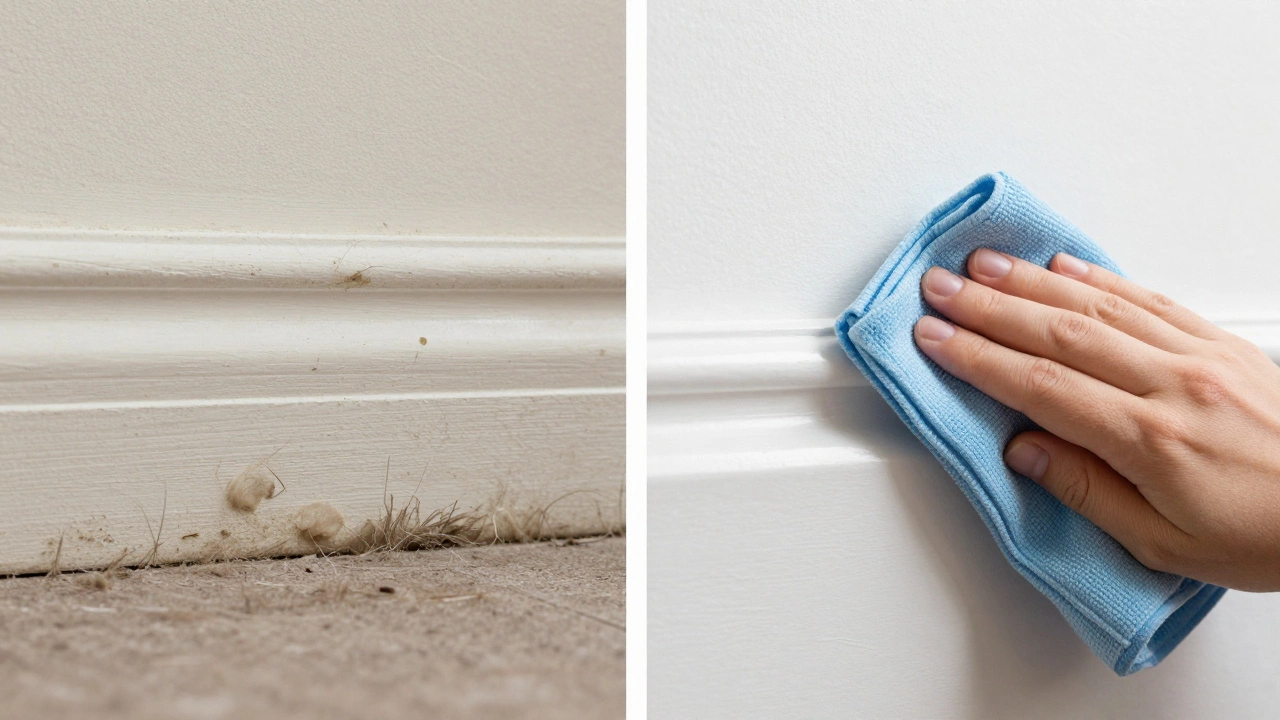
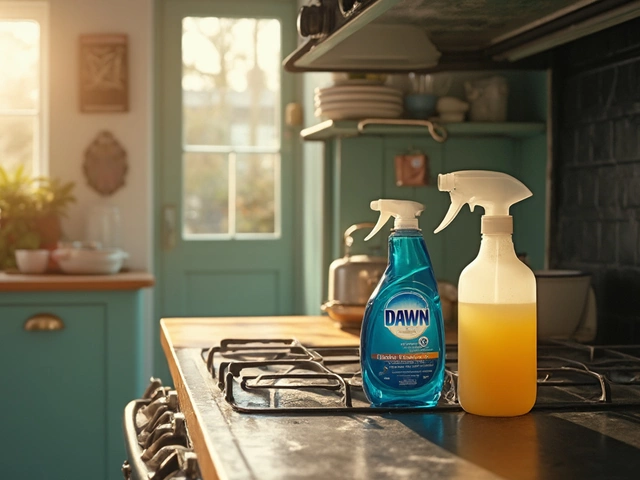
Here’s a quick reality check: If you’ve lived in the property for more than a year, and you have pets or kids, baseboards are probably grimier than you think. A quick wipe with a dry cloth won’t cut it. You need a solution-warm water with a drop of dish soap, or a vinegar-water mix-and elbow grease.
Many people try to save money by doing it themselves. But if you miss even one section, your landlord might withhold £100-£300 of your deposit. That’s more than the cost of hiring a professional for a few hours. In Brighton, a full end-of-tenancy clean with baseboards included costs between £120 and £180 for a two-bedroom flat. It’s a small price to pay for peace of mind.
If your landlord tries to deduct your deposit for dirty baseboards, you can challenge it through the Tenancy Deposit Scheme. But you’ll need proof. That’s why photos matter. Take clear, well-lit pictures of the baseboards before you clean. Then take more after. Show the difference. If you hired a pro, ask for their checklist with signatures.

Don’t use bleach or strong chemicals. They can discolor wood or damage paint. Stick to gentle cleaners. And never use a steam cleaner on painted baseboards-it can lift the paint.
If you’re hiring someone, confirm baseboards are included. If you’re doing it yourself, don’t cut corners. Your deposit is on the line. Baseboards might seem small, but they’re one of the most common reasons deposits get withheld. Don’t let them cost you hundreds.
When in doubt, clean them. It’s easier than arguing later.
Yes. Most tenancy agreements in the UK require you to leave the property in the same condition as when you moved in, minus normal wear and tear. Dirty, dusty, or scuffed baseboards are considered uncleaned, not worn. Landlords can legally withhold part of your deposit if they’re not properly cleaned.
It should be-but always confirm. Reputable cleaning services in the UK list baseboards, skirting boards, and door frames as part of their end-of-tenancy package. If it’s not written in the quote or checklist, ask for it to be added. Don’t assume it’s included.
No. Bleach can damage paint, discolor wood, and leave streaks. It’s too harsh for painted or varnished baseboards. Use warm water with a drop of dish soap, or a vinegar-water mix. For scuffs, a magic eraser works better than chemicals.
About 45 minutes to an hour for a professional cleaner, depending on how dirty they are. If you’re doing it yourself and the baseboards are very grimy, it could take up to 90 minutes. Don’t rush it-rushing leads to missed spots.
Take clear, dated photos before and after cleaning. If you hired a professional, ask for their signed checklist. If your landlord still disputes it, you can challenge the deduction through the Tenancy Deposit Scheme. They’ll review your evidence and decide if the claim is fair.