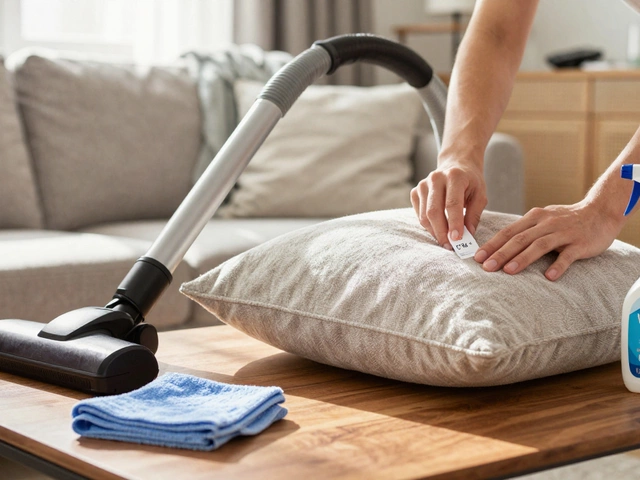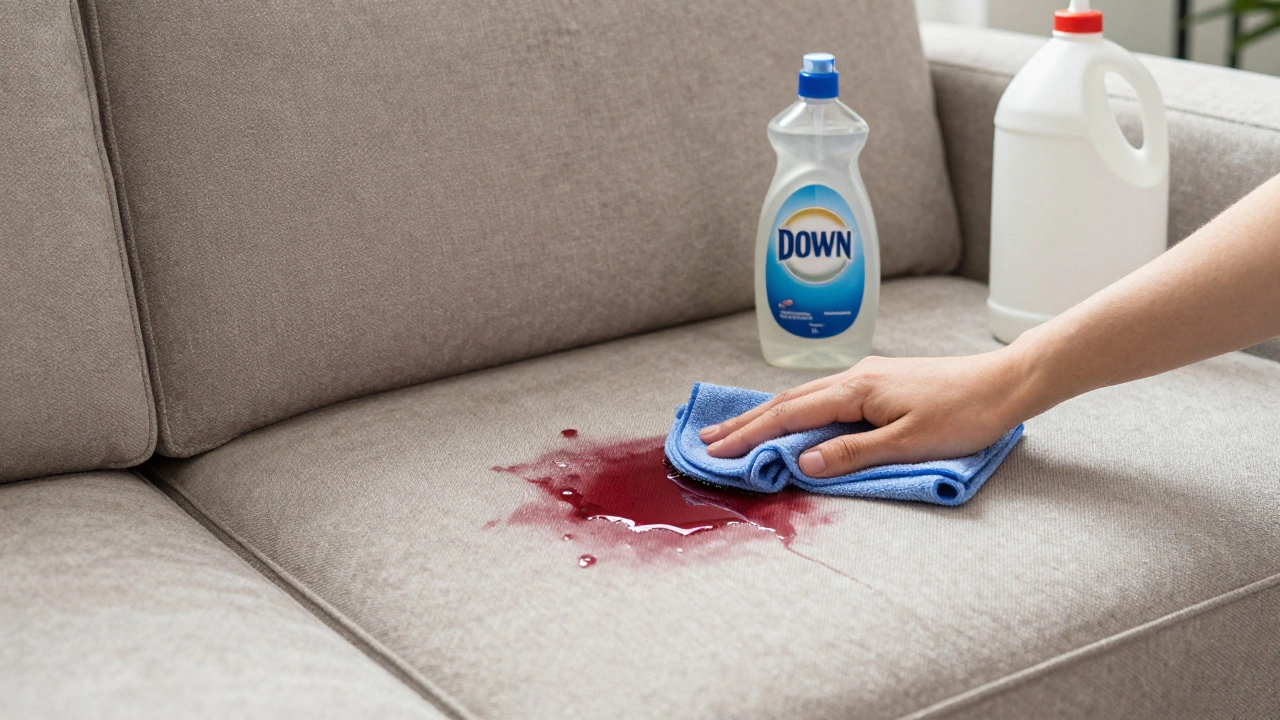
Does Dawn and vinegar clean upholstery? Here’s what actually works
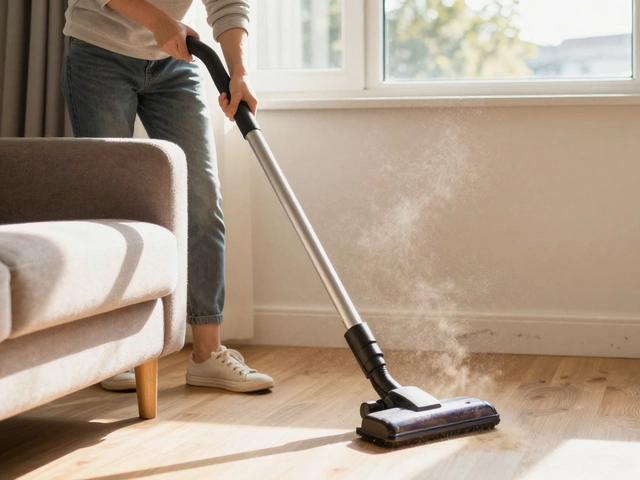
Dawn and vinegar won't effectively clean upholstery and may damage fabric. Learn what actually works for stains, odors, and maintenance without ruining your sofa.
Read MoreWhen you need to tackle tough stains without harsh chemicals, vinegar for stains, a simple, affordable household item that breaks down grease, mineral deposits, and organic residue. Also known as white vinegar, it’s been used for decades as a safe alternative to store-bought cleaners. It doesn’t just mask odors—it dissolves the source. Whether it’s coffee on your mattress, grease on your oven door, or hard water marks on your windows, vinegar cuts through it all with no toxic fumes or plastic bottles.
But vinegar isn’t magic. It works best on certain types of stains and surfaces. For example, white vinegar, a 5% acetic acid solution that dissolves mineral buildup and organic grime is perfect for glass, ceramic, and stainless steel. It’s also great on fabric stains like sweat or urine, as long as you don’t soak delicate materials. On the other hand, it won’t lift oil-based paint or deep-set dye stains. And while many swear by vinegar and baking soda together, that fizzing reaction? It’s mostly for show. The real cleaning power comes from letting vinegar sit long enough to break down the grime—usually overnight.
baking soda and vinegar, a common duo used in DIY cleaning. Also known as natural oven cleaner, this combo is trusted by homeowners who want to avoid bleach or ammonia. But here’s the truth: baking soda acts as a gentle abrasive, while vinegar loosens the grime. Used separately, they’re more effective than mixed. For oven doors, a paste of baking soda left overnight does the heavy lifting. Then, a spray of vinegar rinses it away cleanly. For windows, straight vinegar with a squeegee gives streak-free results. For mattresses, vinegar kills odor-causing bacteria without damaging the fabric.
People use vinegar for stains because it’s cheap, available, and safe around kids and pets. It’s also biodegradable and doesn’t pollute waterways like bleach does. But using it right matters. Don’t spray it on stone countertops—it can etch the surface. Don’t mix it with hydrogen peroxide or bleach—it creates dangerous fumes. And never rely on it for mold inside walls. It’s a surface cleaner, not a structural fix.
What you’ll find in the posts below are real, tested methods from people who’ve used vinegar for stains in their kitchens, bathrooms, and living rooms. No fluff. No hype. Just what works, what doesn’t, and how to do it without wasting time or money. Whether you’re cleaning an oven, a window, or a stinky sofa, you’ll find the exact steps that deliver results—without buying another bottle of cleaner.
Dawn and vinegar won't effectively clean upholstery and may damage fabric. Learn what actually works for stains, odors, and maintenance without ruining your sofa.
Read More