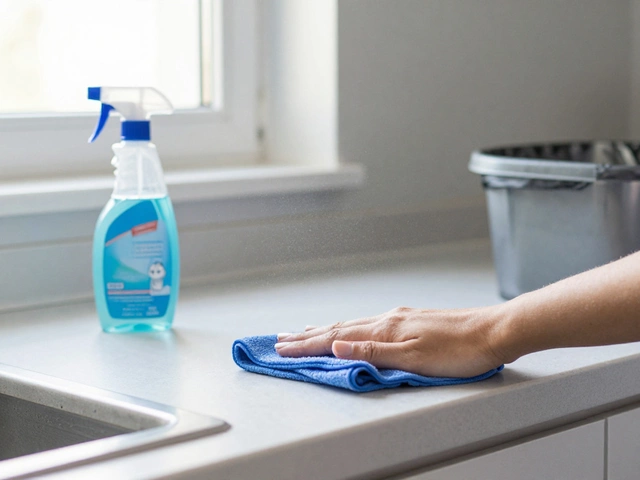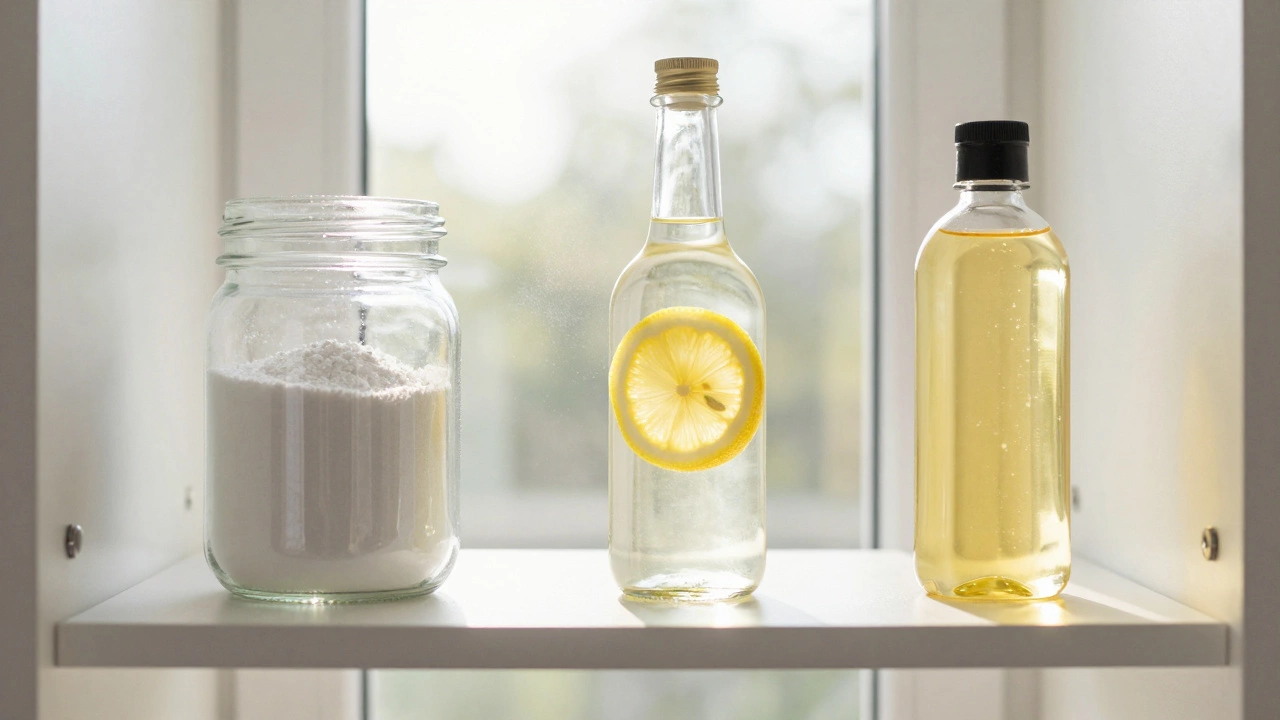
The Best Eco-Friendly House Cleaning Supplies for a Non-Toxic Home
Discover the best eco-friendly house cleaning supplies. Learn how to use white vinegar, baking soda, and castile soap to clean every room without toxic chemicals.
Read MoreWhen you think of white vinegar, a mild acetic acid solution commonly used in cooking and cleaning. Also known as distilled vinegar, it's one of the most talked-about household cleaners around. It’s cheap, smells sharp, and shows up in half the DIY cleaning videos online. But here’s the thing—it’s not magic. White vinegar cuts through grease, dissolves limescale, and kills some bacteria, but it won’t scrub away baked-on oven grime by itself, and it won’t sanitize your cutting board like bleach does. It’s a tool, not a miracle.
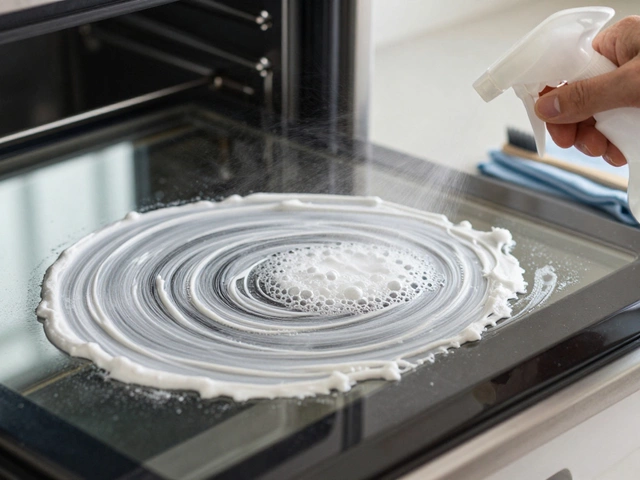
People mix it with baking soda, a mild alkali used to lift odors and break down acidic residues because the fizz feels like it’s working. But that fizz? It’s just carbon dioxide. The real cleaning power comes from the vinegar’s acidity, not the foam. Baking soda helps scrub, vinegar dissolves. Together, they’re a solid team for sinks and showerheads, but not for heavy oven buildup. That’s why professional cleaners like Oven Love IOW skip the vinegar-and-baking-soda paste for stronger, targeted solutions—especially when dealing with commercial ovens caked with years of grease.
White vinegar also works great on glass, a smooth, non-porous surface that responds well to acidic cleaners. It’s why you see it in window cleaning recipes. A 50/50 mix with water, a squeegee, and some newspaper? That’s a streak-free win. But don’t use it on stone countertops or unsealed wood. The acid can etch marble and dry out wood finishes. It’s powerful, yes—but it’s also picky. You wouldn’t use a hammer to screw in a lightbulb, and you shouldn’t use vinegar everywhere you see dirt.
What you’ll find below are real posts from people who’ve tested vinegar in every corner of the home: on windows, in ovens, on mattresses, even on upholstery. Some worked. Some didn’t. Some turned out to be myths dressed up as hacks. There’s no fluff here—just what actually cleans, what doesn’t, and when to call in the pros instead of reaching for the bottle in your pantry.
Discover the best eco-friendly house cleaning supplies. Learn how to use white vinegar, baking soda, and castile soap to clean every room without toxic chemicals.
Read More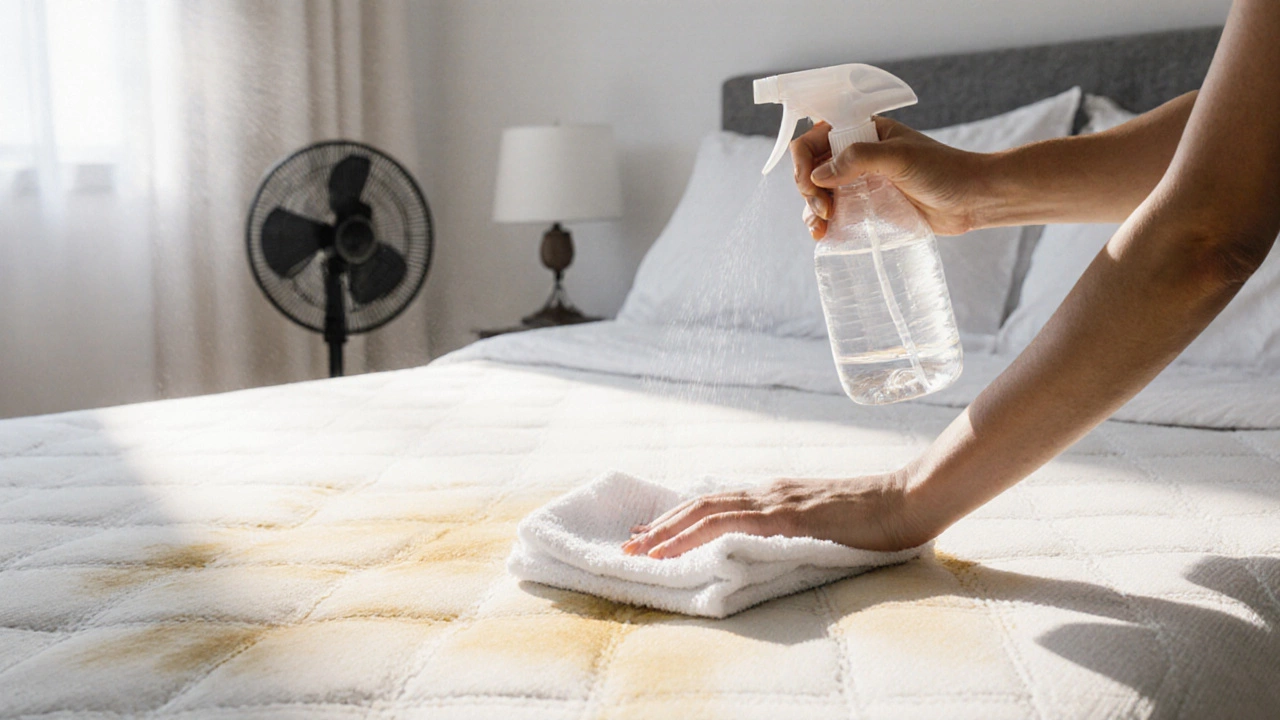
White vinegar can effectively remove common mattress stains like sweat, urine, and coffee. Learn how to use it safely, what stains it works on, and how to prevent future damage without harsh chemicals.
Read More