Based on industry data from the article: typical fuel costs £15, equipment wear £20, and £15/hr minimum wage labor. Enter your actual figures to see realistic profitability.
Enter your job details to see your profit
Starting a pressure washing business sounds simple: buy a machine, spray water, and get paid. But if you’ve ever tried it, you know it’s not that easy. Behind the clean driveways and spotless patios are hidden costs, physical tolls, and unexpected headaches that most people never talk about. If you’re thinking about jumping in, here’s what no one tells you before you spend your savings.
Pressure washing isn’t just standing with a hose. It’s lifting 40-pound machines every morning, holding a wand for hours with one arm, and bending over to clean under decks, porches, and fences. Your back, shoulders, and wrists take a beating. I’ve seen guys in their 30s quit because their hands went numb from vibration. The noise alone-over 100 decibels-can damage hearing over time if you skip ear protection. And don’t forget the slips. Wet surfaces mean falls. One bad tumble on a slick driveway can mean months off work and medical bills that eat your profits.
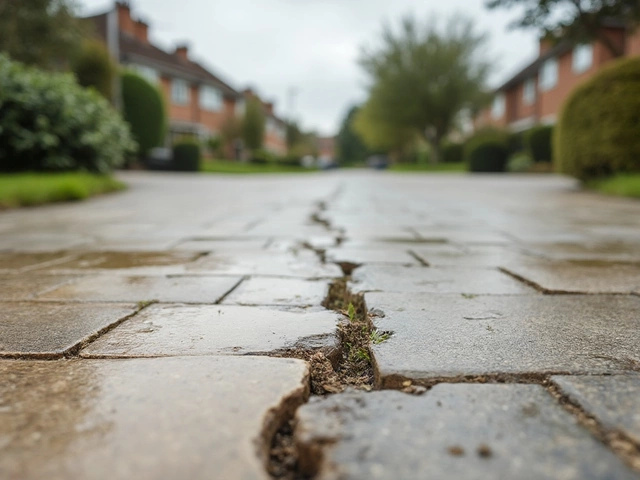
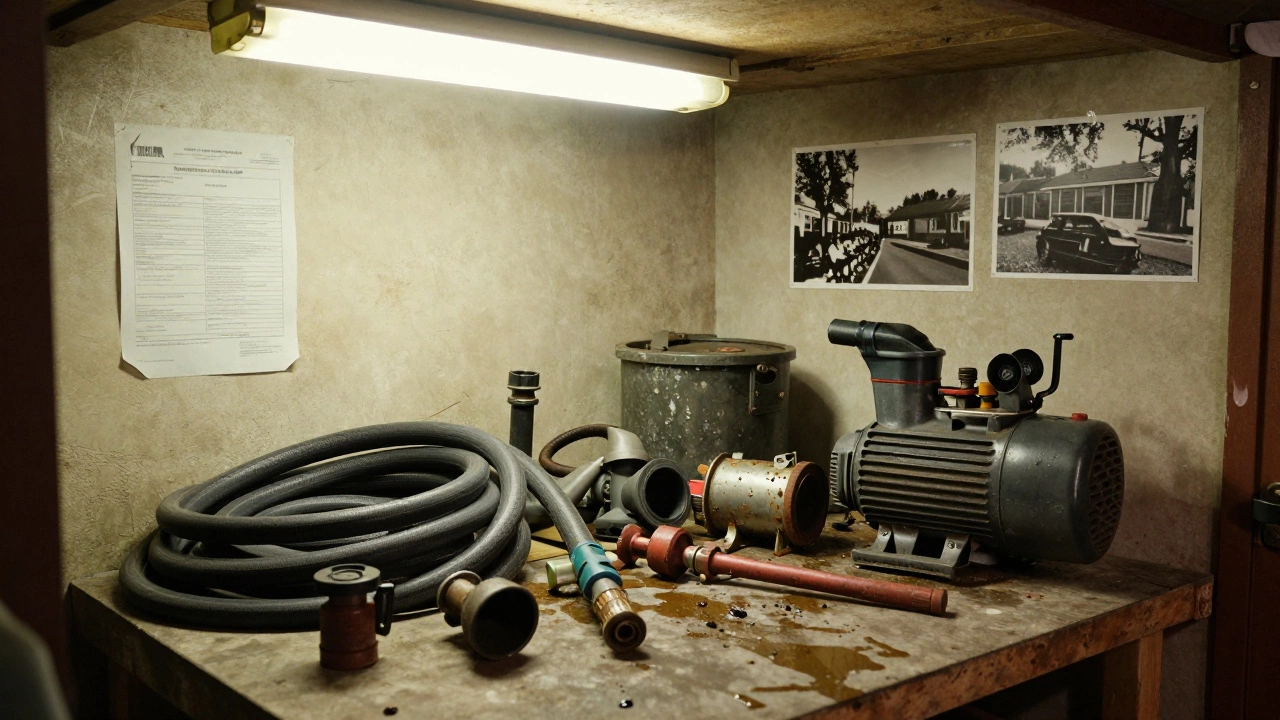
A $1,200 gas-powered pressure washer might look like a good deal, but it’s not a car. It’s a machine built for short bursts, not daily 8-hour shifts. The pump seals crack. The hoses kink and burst. The nozzles clog with mineral deposits. I know a guy who replaced his pump three times in 18 months. Each replacement cost $300. Add in replacement nozzles, belts, and filters, and you’re spending $1,500 a year just to keep the machine running. Electric models are quieter but less powerful. They die faster in cold weather. And if you’re in the UK, winter dampness rusts metal parts fast. You’re not just buying equipment-you’re buying a repair bill that never ends.
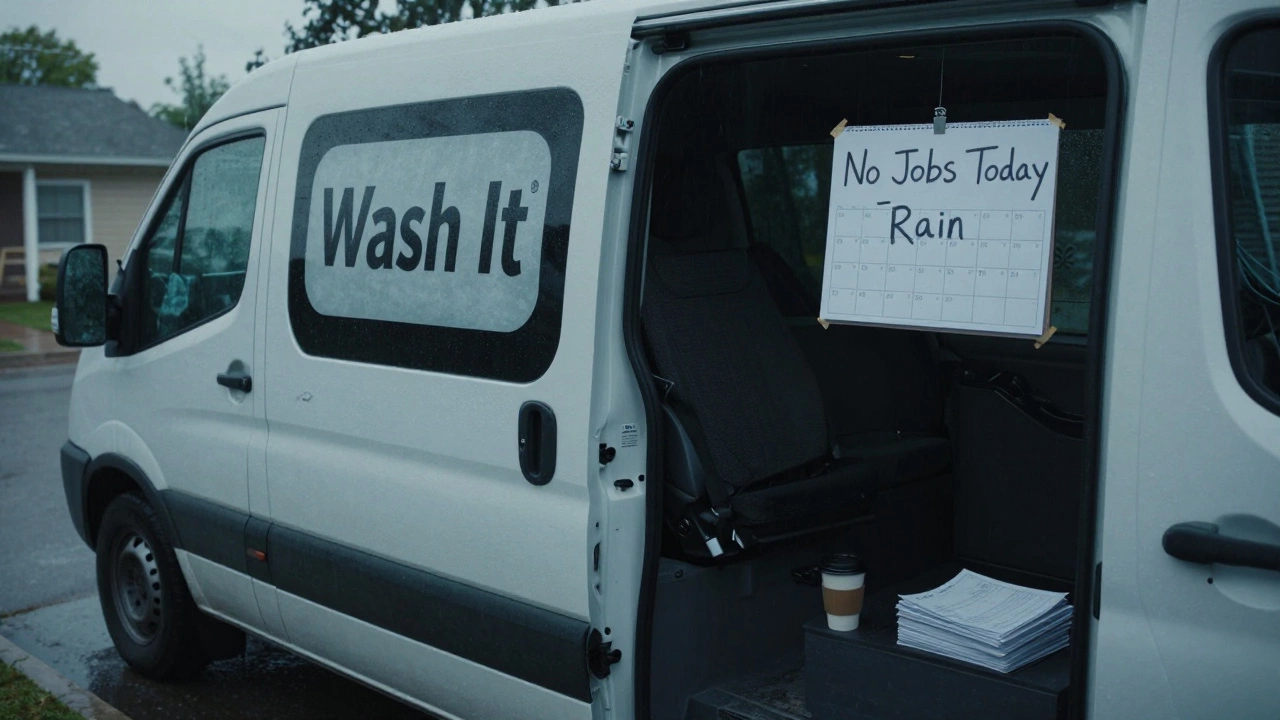
Pressure washing only works when it’s dry. Rain? No jobs. Frost? No jobs. Heavy wind? No jobs. In the UK, that’s roughly 120 days a year you can’t work. Even if you’re lucky enough to get 200 working days, you’re still losing income during the wettest months. No one pays you to wait. You still have to cover van insurance, fuel, and equipment storage. That means you need to charge more per job just to make up for lost time. And if you’re relying on seasonal demand-like spring clean-ups-you’re stuck in a cycle where you work 12-hour days in April, then sit idle until next year.
People think pressure washing is magic. They expect you to turn a 20-year-old, moss-covered patio into showroom condition with one pass. When it doesn’t happen, they complain. Some ask you to clean their roof with 3,000 PSI-right after you told them it’ll strip the tiles. Others refuse to pay extra for mildew removal or stubborn algae. A few even try to haggle over $50 for a 4-hour job. And then there’s the liability. One slip, one burst pipe, one cracked window, and you’re on the hook. Most homeowners don’t realize how easy it is to damage brick, wood, or vinyl siding. You’ll spend half your time explaining why you can’t just “blast it clean” instead of actually working.
You can’t just hang a sign and wait. Pressure washing is a service people rarely search for. They don’t type “best pressure washer near me” unless they’ve got a crisis-like a moldy driveway before a house sale. Most jobs come from referrals or repeat clients. That means you need to be visible everywhere: Nextdoor, Facebook groups, local gardening forums, even handing out flyers at DIY stores. And you need to look professional. A faded van with a sticker that says “Wash It” doesn’t inspire trust. You need branded uniforms, a website, and online reviews. Building that takes time, money, and patience. And if you’re not good with social media, you’re already behind.
You need public liability insurance. Not optional. If you damage a neighbour’s fence or a customer’s garden, you could be sued for thousands. In the UK, basic coverage starts at £600 a year. Add employer’s liability if you hire help-another £400. Then there’s vehicle insurance. A van used for business costs 30% more than personal use. And don’t forget local council rules. Some towns ban pressure washing near drains because of chemical runoff. Others require permits for commercial cleaning. One guy in Brighton got fined £500 for washing his client’s driveway without checking if the runoff went into a storm drain. You’re not just a cleaner-you’re a small business owner, and the paperwork doesn’t stop.
Let’s say you charge £150 for a standard driveway. Sounds good. But after fuel (£15), equipment wear (£20), insurance (£10), and time (3 hours at £15/hour minimum wage), you’re left with £100. That’s before taxes. If you’re working solo, you’re also paying yourself for admin, booking calls, invoicing, and driving between jobs. Most owners don’t realize they’re working 50-hour weeks for less than £12/hour after expenses. And if you want to scale? You need to hire someone. That means training them, managing them, and paying them. Suddenly, your profit drops again. The dream of making £5,000 a month? It’s rare. Most make £2,000-£3,000 after costs.
There’s no barrier to entry. Anyone with a £300 Amazon pressure washer and a van can call themselves a professional. You’ll see ads for £50 driveways, £20 patios, even “free pressure washing with window cleaning.” These guys don’t have insurance, don’t use proper techniques, and often leave damage behind. But customers don’t know the difference. They just want the cheapest option. You can’t compete on price if you’re using quality equipment and safety gear. So you either lower your standards-and risk your reputation-or you lose jobs to amateurs. It’s a lose-lose.
People don’t come back every month. They don’t need pressure washing regularly. A driveway might need cleaning once a year. A fence every two. That means you’re constantly chasing new clients. No recurring revenue. No subscription model. You’re always starting from zero. One season of good weather can bring you 30 jobs. The next, you’re lucky to get 10. There’s no stability. You’re always hustling, always wondering where the next job will come from.
Starting a pressure washing business isn’t a quick path to freedom. It’s a grind with heavy lifting, unpredictable income, and constant upkeep. The work looks easy on Instagram. In reality, it’s exhausting, expensive, and emotionally draining. If you’re looking for a side hustle, fine. But if you think it’s a path to easy money, you’re setting yourself up for burnout.
Yes, but only if you manage costs carefully. Most successful owners charge £150-£300 per job, work 3-4 days a week, and avoid undercutting. Profit comes from repeat clients and referrals-not volume. Many go broke trying to do too many jobs too fast.
No, but it’s risky not to get it. Training teaches you how to avoid damaging surfaces, use the right pressure settings, and handle chemicals safely. Many insurance providers won’t cover you without proof of training. Online courses from the UK Pressure Washing Association cost around £150 and are worth every penny.
You can, but you’ll limit your jobs. Electric models (under 2,000 PSI) work for small patios and garden furniture. But they can’t handle driveways, brick walls, or commercial properties. Gas-powered units (3,000+ PSI) are the industry standard. If you start with electric, you’ll need to upgrade within a year.
Undercharging. They think low prices will bring in more clients. Instead, they attract customers who haggle, complain, and don’t refer others. Charging too little also means you can’t afford good equipment or insurance. It’s a trap that leads to burnout and failure.
At least 6-12 months. Most owners get their first 10 clients in the first month. But turning those into reliable, repeat customers takes time. You need to deliver consistently, follow up, and ask for reviews. The first year is mostly about building trust, not making money.