Check which natural cleaning agents (vinegar, baking soda, lemon juice) are safe for your surface type. Results based on article guidelines.
If you’ve ever stood in the cleaning aisle of a supermarket, overwhelmed by bottles with unpronounceable chemicals, you’re not alone. Many people are switching to natural cleaning agents-not just to avoid harsh fumes, but because they work better than you think. And the truth is, you probably already have the top three in your kitchen right now: vinegar, baking soda, and lemon juice.
White distilled vinegar isn’t just for salads. It’s a powerful, cheap, and non-toxic cleaner that cuts through grease, dissolves soap scum, and kills mold and bacteria. Its acidity (around 5% acetic acid) makes it ideal for breaking down mineral deposits and grime. In my kitchen sink, I use a 50/50 mix of vinegar and water every week. It removes hard water stains without scrubbing, and it leaves no residue.
People think vinegar smells bad, but the odor disappears once it dries. If you’re sensitive to the smell, add a few drops of essential oil-lavender or tea tree work well. Vinegar also works on glass, stainless steel, and even your washing machine. Run an empty cycle with a cup of vinegar to remove detergent buildup and mildew smells. A 2020 study from the University of Minnesota found that vinegar reduced E. coli and Salmonella on kitchen surfaces by over 99% when left to sit for 30 minutes.
Don’t use vinegar on stone countertops like marble or granite. The acid can etch the surface over time. But for tiles, sinks, and floors? It’s unbeatable.
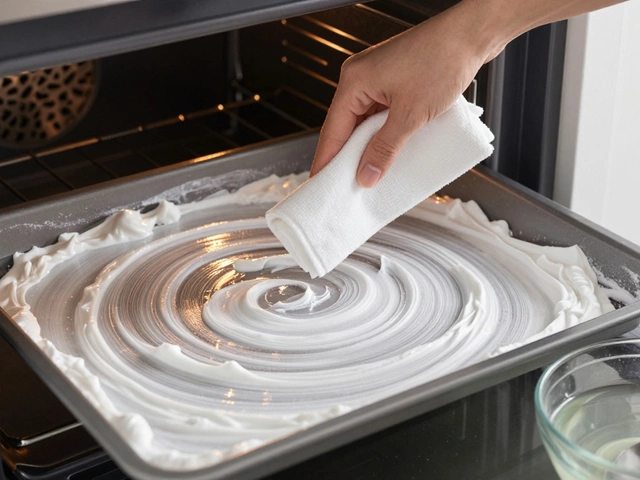
Baking soda isn’t just for baking. It’s a mild abrasive, odor absorber, and pH neutralizer all in one. Unlike harsh scrubbing powders, it won’t scratch surfaces. I use it to clean my oven, bathroom tiles, and even my coffee maker. Mix it with a little water to form a paste, rub it on a stained surface, and let it sit for 15 minutes. Then wipe or scrub gently.
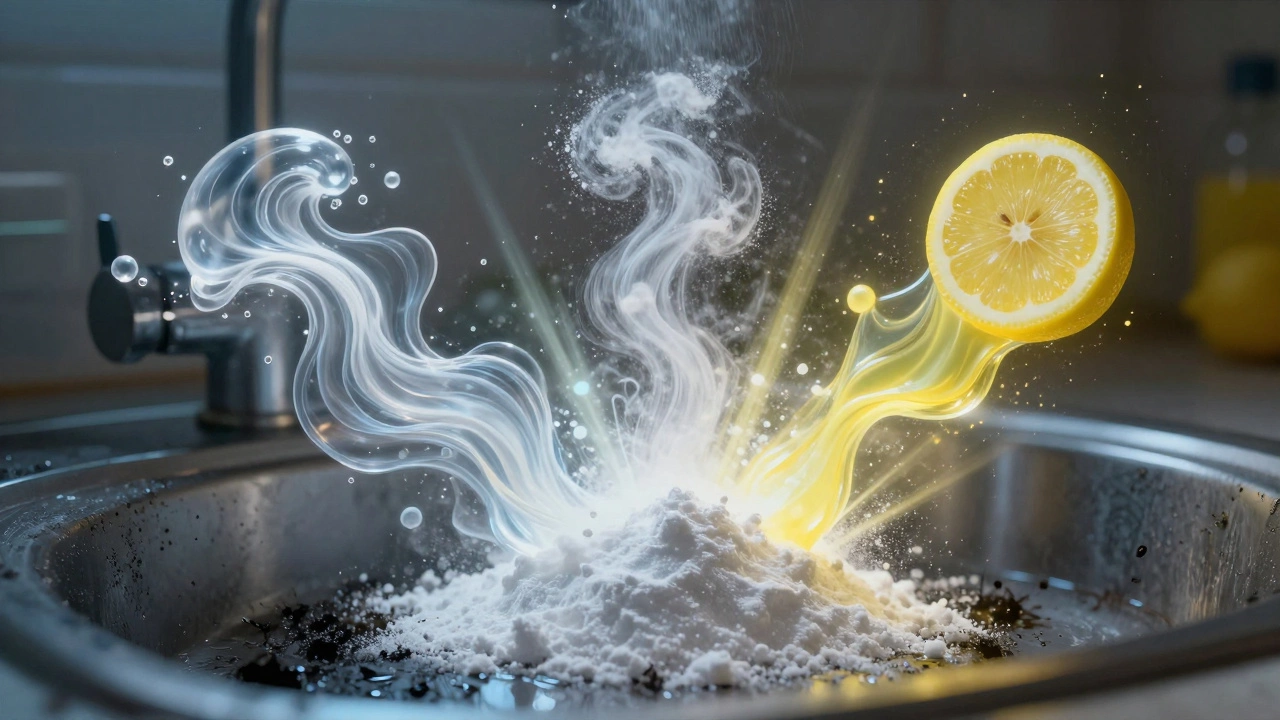
It’s especially great for drains. Pour half a cup of baking soda down the drain, followed by half a cup of vinegar. Cover the drain and let it fizz for 10 minutes. Then flush with hot water. This combo breaks down grease and organic buildup without the need for chemical drain cleaners.
Baking soda also deodorizes carpets, fridges, and shoes. Sprinkle it on a smelly carpet, leave it overnight, then vacuum. No artificial fragrances, no toxins-just clean air. It’s safe around kids and pets, which is why so many parents in Brighton use it for toy cleaning and highchair wipe-downs.
Lemon juice brings more than just a citrus scent. Its citric acid is a natural disinfectant and stain remover. It’s perfect for cutting through grease on stovetops, brightening cutting boards, and removing rust from metal tools. Squeeze fresh lemon juice onto a cloth and wipe down your sink-rinse, and you’ve got a naturally sanitized surface.
For stubborn stains on white clothes or grout, make a paste of lemon juice and baking soda. Apply it, let it sit in sunlight (the UV rays boost its bleaching power), then rinse. It’s a gentle alternative to chlorine bleach. I’ve used this on my old porcelain bathtub and got rid of yellowing that commercial cleaners couldn’t touch.
Lemon juice also repels ants and flies. Dab a little around doorways or windowsills. It’s not a long-term pest solution, but it’s a clean, non-toxic way to keep bugs out while you figure out the root cause.
Just like vinegar, lemon juice is acidic, so avoid using it on natural stone. And because it’s photosensitive, don’t leave it on surfaces exposed to direct sunlight for too long-it can lighten wood finishes over time.
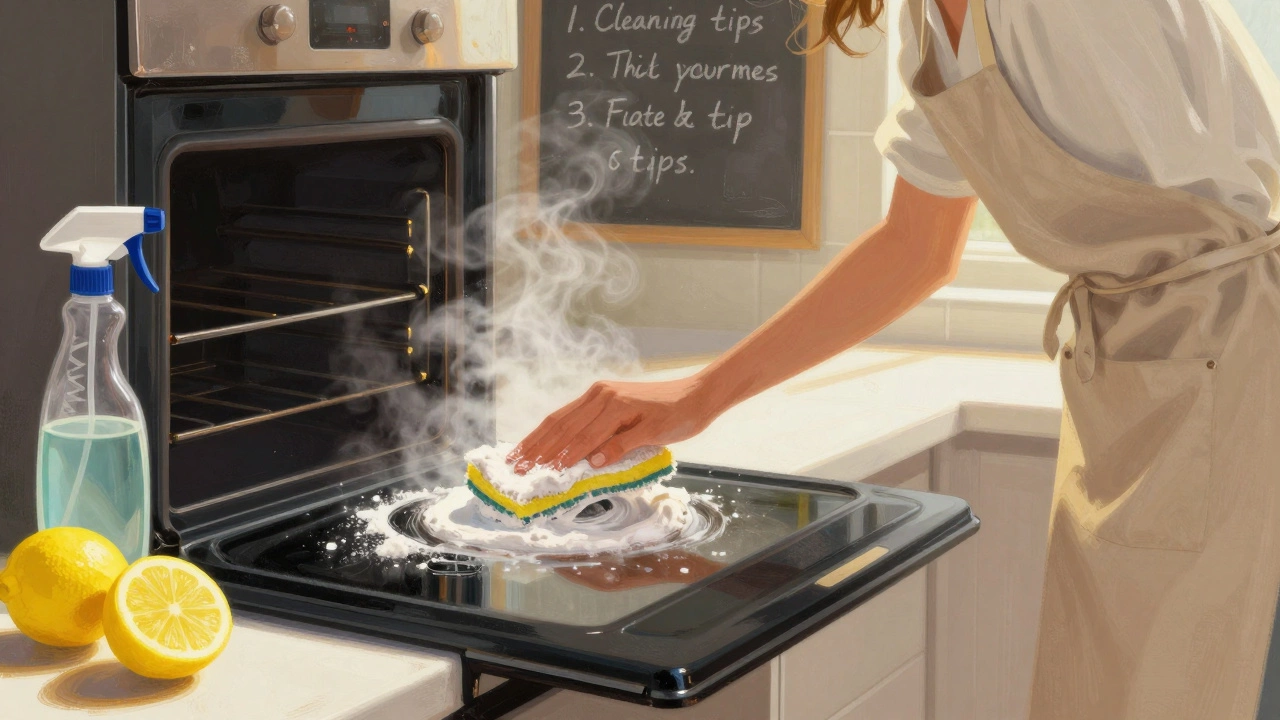
Each of these agents has a unique strength. Vinegar dissolves minerals and kills germs. Baking soda scrubs without scratching and neutralizes odors. Lemon juice adds antibacterial punch and brightens surfaces. Used alone, they’re effective. Used together, they’re unstoppable.
Here’s a simple all-purpose cleaner recipe I use daily: Mix one cup of vinegar, one cup of water, and 10 drops of lemon essential oil in a spray bottle. Shake before use. It cleans counters, sinks, and even bathroom fixtures. No need for multiple bottles. One spray bottle replaces five chemical cleaners.
And the cost? A gallon of white vinegar costs less than £1.50. A box of baking soda is around £1. A bag of lemons? About £2 for a dozen. That’s less than 10p per cleaning job.
Natural cleaners aren’t magic. They won’t replace industrial-strength disinfectants in medical settings. They don’t kill every type of virus instantly. But for homes, kitchens, and bathrooms? They’re more than enough. The CDC says regular cleaning with soap and water removes 99% of germs-no harsh chemicals needed.
They also won’t leave behind a strong artificial scent. If you miss the perfume-like smell of commercial cleaners, you might need to adjust your expectations. Natural cleaning isn’t about smelling like a spa-it’s about breathing clean air and knowing exactly what’s on your surfaces.
A friend in Hove switched her whole house to these three agents last year. She stopped buying commercial cleaners. Her monthly cleaning supply bill dropped from £25 to £3. Her toddler’s eczema improved. Her cat stopped avoiding the bathroom. She told me, "I didn’t realize how much I was breathing in until I stopped."
Another neighbor in Brighton, who runs a small café, used to hire a professional cleaner every week for £80. Now she uses vinegar, baking soda, and lemon juice. She spends 20 minutes a day cleaning and saves over £3,000 a year. She says the kitchen smells fresher, and her customers notice.
You don’t need to throw out everything you own. Start small. Replace one chemical cleaner with vinegar this week. Try baking soda on your sink next. Add lemon juice when you need a bright finish. In a month, you’ll wonder why you ever bought those expensive sprays.
Keep a spray bottle, a small jar of baking soda, and a lemon on your counter. That’s your entire eco-friendly cleaning kit. No fancy tools. No subscriptions. Just simple, proven ingredients.
These agents are safe, cheap, and effective. They’ve been used for centuries. Modern science just confirmed what our grandparents always knew.
No. Vinegar and lemon juice are acidic and can damage natural stone like marble, granite, and limestone. Baking soda is safe for most surfaces but can scratch delicate finishes if used with a harsh brush. Always test on a small area first. Avoid using vinegar on waxed wood or unsealed grout.
They can. Vinegar kills many common bacteria like E. coli and Salmonella when left on surfaces for 30 minutes. Lemon juice has natural antibacterial properties, and baking soda helps lift germs away physically. They’re not as fast-acting as bleach, but for everyday home use, they’re effective enough. The CDC says regular cleaning with soap and water removes most germs-disinfecting isn’t always necessary.
Yes. Vinegar, baking soda, and lemon juice are non-toxic if used properly. Pets and children won’t get sick from touching cleaned surfaces. Just make sure to rinse food prep areas well and avoid letting pets lick lemon juice off the floor. There’s no lingering chemical residue, so you don’t have to wait before letting kids play or pets walk through.
Vinegar and baking soda solutions last indefinitely if stored in sealed containers. Lemon juice solutions can turn cloudy or ferment after a few weeks, so make small batches and use them within two weeks. Adding a few drops of tea tree oil can help preserve them longer. Always label your bottles with the date.
Absolutely. Mix one cup of vinegar, one gallon of warm water, and a few drops of lemon essential oil. Use it on tile, linoleum, and sealed hardwood. Avoid using vinegar on unsealed wood or stone floors. For hardwood, you can skip the vinegar and just use a damp mop with water and a little baking soda paste for spot cleaning.