Simple Green Pro HD, Methodist, or similar professional formulas
Distilled water + vinegar + drop of dish soap
Filtered mineral-free water system with extension poles
Click each step as you complete it during your next cleaning session:
There is nothing more frustrating than spending hours scrubbing windows only to look up and see a mess of rainbow-colored streaks. You know you did a good job, but the glass says otherwise. For residential homeowners, this might be an annoyance. For professional cleaners, it’s a career-ender. The difference between amateur results and crystal-clear, invisible glass usually comes down to one thing: the solution.
Finding the best professional window cleaning solution isn't about buying the most expensive bottle at the hardware store. It is about understanding chemistry, water quality, and application methods. In 2026, the industry has shifted away from harsh ammonia-based sprays toward smarter, eco-friendly formulations that clean faster and leave zero residue. Whether you are running a commercial cleaning business or just want your home to look like a showroom, knowing which solution to use-and why-is critical.
To pick the right solution, you first need to understand what makes glass dirty and what removes that dirt without leaving traces behind. Most people think soap is the answer. Soap is actually part of the problem if not used correctly.
Glass attracts dust, pollen, bird droppings, and industrial fallout. These particles stick because of static electricity and moisture. A professional solution needs three components:
If any of these elements are missing, you get streaks. Too much surfactant leaves a film. No drying agent means slow evaporation, which allows dirt to settle back onto the glass as it dries. Professionals don't guess; they balance these ingredients precisely.
You have two main paths: buying pre-mixed commercial products or making your own. Both have valid use cases depending on your scale and environment.
| Feature | Commercial Concentrates | DIY Mixes (Vinegar/Dish Soap) | Pure Deionized Water Systems |
|---|---|---|---|
| Cost per Gallon | $15 - $40 | $2 - $5 | $0.50 (water only) + equipment cost |
| Streak Resistance | High | Moderate (depends on mixing accuracy) | Very High (no minerals) |
| Environmental Impact | Low (biodegradable options available) | Low | Zero chemical runoff |
| Best For | Heavy grime, interior glass, high-rise | Homeowners, light exterior dirt | Large exterior jobs, eco-conscious clients |
Commercial concentrates are designed for consistency. Brands like Simple Green Pro HD or specialized window cleaners like Methodist Window Cleaner offer formulas that work in various temperatures and humidity levels. They often include additives that repel future dirt, meaning your windows stay cleaner longer.
DIY solutions, typically a mix of distilled white vinegar and a drop of dish soap in warm water, are cheap and effective for light cleaning. However, they lack the volatility needed for quick drying in humid conditions. If you live in a coastal area with high salt air or near a highway with road spray, DIY mixes often fail to cut through the buildup without excessive scrubbing.
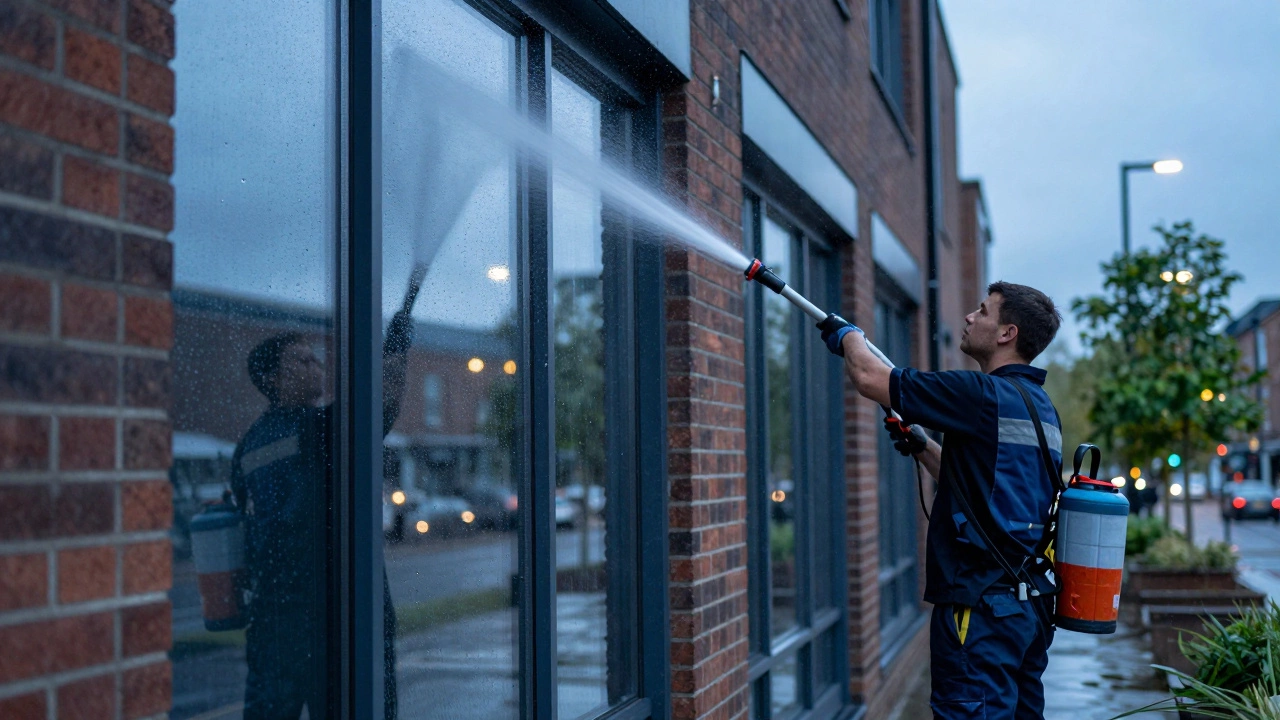
In recent years, many professional cleaners have abandoned soap entirely for exterior windows. Instead, they use Deionized Water Systems. This technology filters water to remove all minerals and impurities, resulting in pure H2O.
Why does this matter? Tap water contains calcium, magnesium, and other minerals. When tap water dries on glass, those minerals remain behind as hard water spots. Deionized water has no minerals. When it evaporates, it leaves absolutely nothing behind. No squeegee is even needed for many exterior jobs.
This method requires an initial investment in a filtration system and long-extension poles, but the operational cost is incredibly low. You are literally paying for water and electricity. For professionals doing large commercial buildings or multi-story homes, pure water systems save time and labor. However, they struggle with heavy organic stains like tree sap or thick bird droppings, which still require a mild detergent pre-treatment.
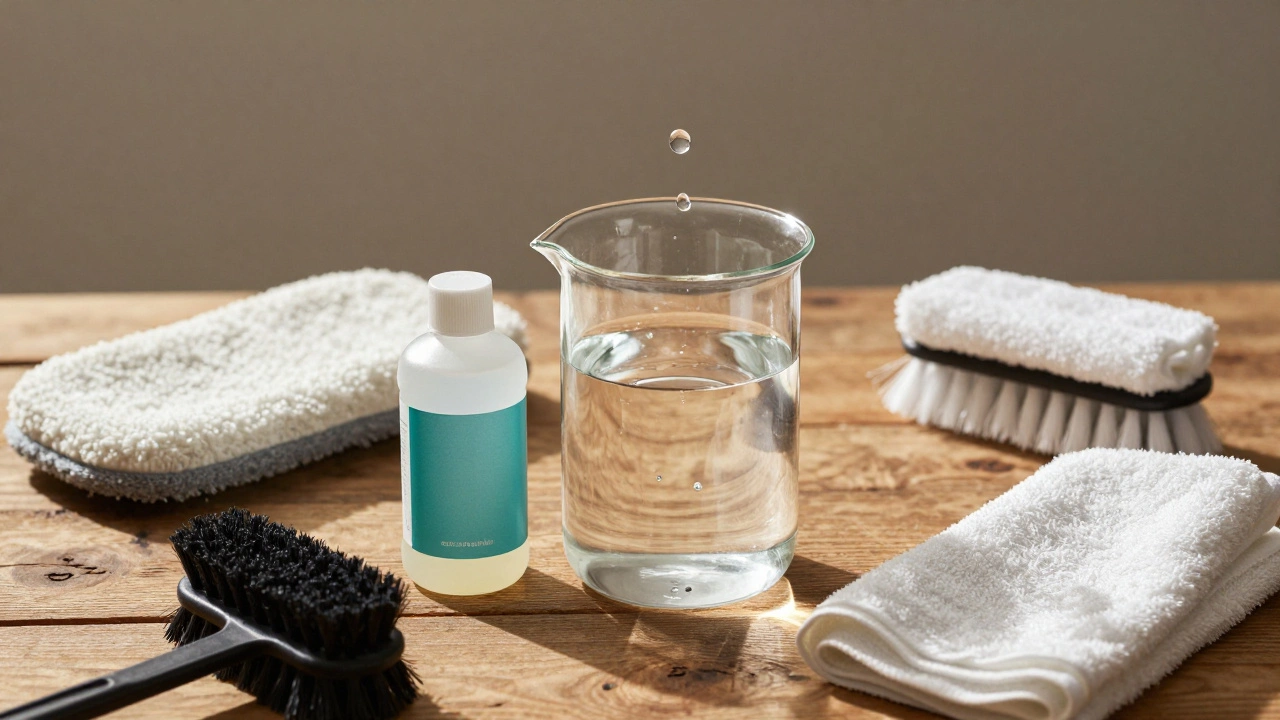
If you prefer traditional soap-and-water methods, here are the top contenders currently dominating the professional market based on performance, safety, and user feedback.
Many pros swear by this brand because it is specifically formulated for window cleaning, not general household use. It cuts through grime quickly and dries fast. It is biodegradable and non-toxic, making it safe for pets and children. The concentrate ratio is usually 1 ounce per gallon of water, which makes it economical for bulk buyers.
While not exclusively a window cleaner, this product is a staple in professional kits. Its power lies in its versatility. You can use it to clean window frames, tracks, and screens before tackling the glass itself. For the glass, dilute it heavily (1:100 ratio). It handles oily fingerprints and kitchen grease better than vinegar-based mixes.
This is a premium consumer-grade product that bridges the gap between DIY and pro. It uses a unique formula that reduces surface tension significantly. It is excellent for interior windows where ventilation is poor, as it has a neutral scent and doesn't rely on strong ammonia fumes. It is pricier per ounce but requires less product due to its efficiency.
Even the best solution will fail if applied incorrectly. Technique matters as much as chemistry.
Avoid these pitfalls to ensure your investment in a good solution pays off:
In 2026, sustainability is not just a buzzword; it's a requirement for many commercial contracts and a preference for homeowners. Ammonia-based cleaners, once the standard, are falling out of favor due to their toxicity and contribution to air pollution.
Look for solutions labeled "phosphate-free" and "biodegradable." Vinegar is a great natural alternative, but it can damage certain types of window seals and stone frames over time. Enzyme-based cleaners are another emerging option. They break down organic matter like pollen and insect residue naturally without harsh chemicals. While they may take slightly longer to work, they are safer for the environment and your health.
There is no single "best" solution for every scenario. For a homeowner dealing with average dust and rain, a simple mix of distilled water and a few drops of dish soap or a commercial spray like Invisible Glass works perfectly. For a professional handling large commercial facades, a deionized water system offers the fastest, most consistent results with minimal environmental impact. For heavy-duty grime on restaurant windows or industrial sites, a concentrated alkaline cleaner like Methodist or Simple Green Pro HD is indispensable.
Test different solutions on a small section of your window first. Observe how it dries, whether it leaves residue, and how easy it is to remove. Your local climate, water hardness, and the type of dirt you face will dictate the winner. Invest in good tools-a quality squeegee and microfiber cloths-because they amplify the effectiveness of any solution you choose.
Yes, vinegar is effective for cutting through grease and mineral deposits due to its acidity. However, it must be diluted properly (usually 1 part vinegar to 4 parts water) and used with distilled water to prevent streaks. It is not suitable for all surfaces, as it can etch stone frames or damage rubber seals over time.
You can, but only in very small amounts. Standard dish soap is designed to degrease dishes, not clean glass. Using too much leaves a soapy film that attracts more dirt. Professionals use specialized surfactants or highly diluted dish soap (a few drops per gallon) to avoid this issue.
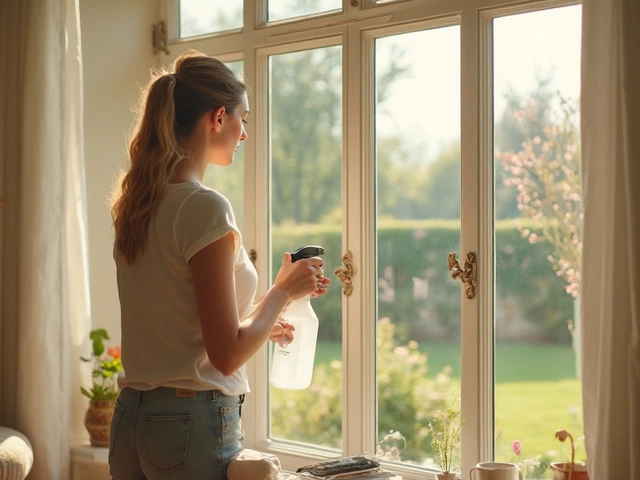
A bucket with a wash mitt or chamois is generally preferred over spray bottles for professional work. Spraying can waste solution and create overspray on walls or plants. Soaking the glass with a mitt ensures even coverage and allows the solution to dwell on the dirt longer.
Streaks are usually caused by three factors: cleaning in direct sunlight (solution dries too fast), using tap water with high mineral content, or failing to wipe the squeegee blade clean between strokes. Ensure you work in the shade and use distilled or deionized water.
Ammonia cleans effectively but poses health risks and environmental concerns. Modern eco-friendly solutions have caught up in performance while being safer for users and the planet. Unless you are dealing with specific industrial contaminants, ammonia is no longer necessary for achieving streak-free results.