Select the surface material you intend to clean and your equipment's PSI (Pounds Per Square Inch) to see if it is safe.
Enter details to check if your cleaning method is safe.
It is tempting to blast away years of grime with a high-pressure nozzle. You see the dirt flying off, and it feels like magic. But for many materials, that magic is actually destruction waiting to happen. Using a pressure washer is a powerful cleaning tool that uses high-velocity water jets to remove dirt, mold, and loose paint from surfaces on delicate surfaces is like using a sledgehammer to crack a nut. You might get the job done, but you will also destroy the nut.
Before you grab the hose and turn up the PSI (pounds per square inch), you need to know what cannot be power washed. Many homeowners have ruined their siding, stripped their roofs, or cracked their windows because they did not check the material first. This guide breaks down exactly which surfaces are off-limits for high-pressure cleaning and why.
To understand what you cannot clean, you first need to understand the force you are applying. A typical residential gas pressure washer operates at between 1,500 and 3,000 PSI. That is enough force to strip paint, etch stone, and drive water behind your home’s protective barriers. Even electric models, which usually sit between 1,300 and 2,000 PSI, can cause significant damage if used incorrectly.
The key is not just the pressure, but the distance and the nozzle tip. A red nozzle (0-degree tip) concentrates all the force into a tiny stream, acting like a water jet cutter. A white nozzle (40-degree tip) spreads the water out, making it much gentler. However, even the gentlest setting can be too harsh for certain materials. If a surface is porous, brittle, or held together by weak adhesive, high-pressure water is likely to cause more harm than good.
Your roof is one of the most vulnerable parts of your home. It is designed to shed water, not withstand it being forced underneath it. Here are the roofing materials that should never see a high-pressure nozzle.
If you need to clean your roof, use a soft wash system applies low-pressure water mixed with biodegradable cleaning solutions to kill algae and moss without damaging surfaces. This method kills the biological growth so rain can wash it away naturally, preserving the integrity of your roofing materials.
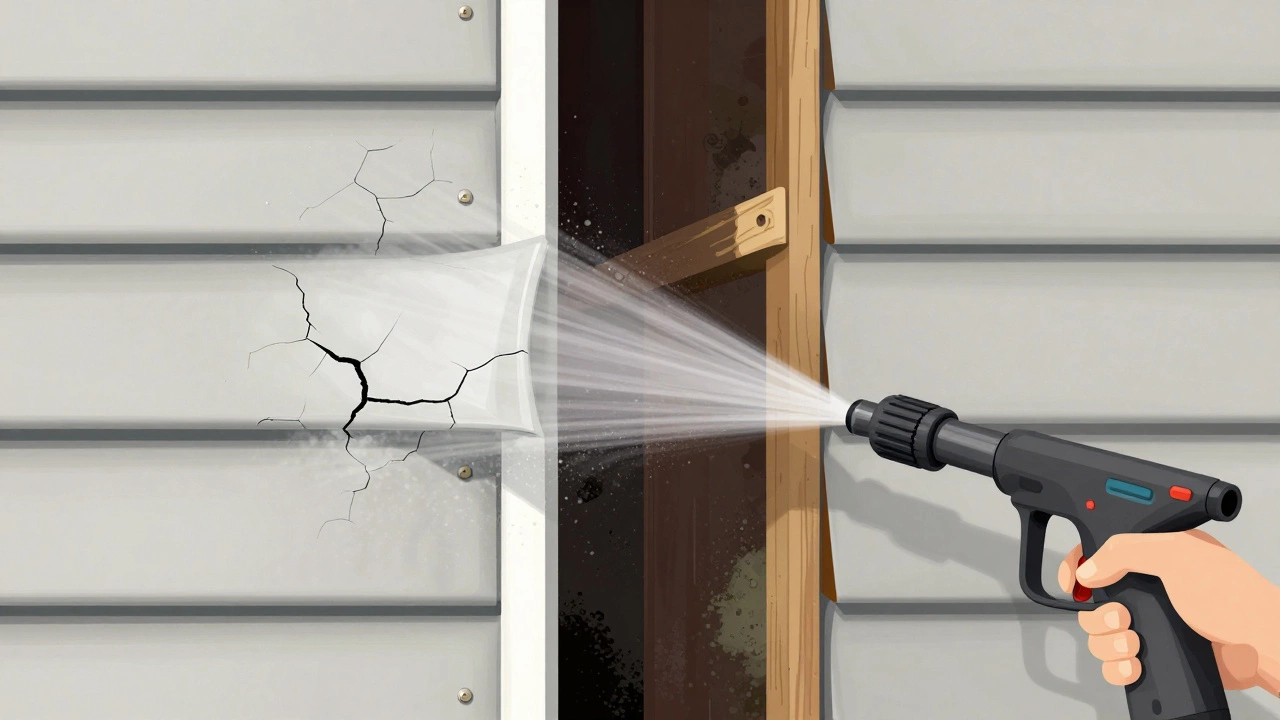
Not all siding is created equal. While brick and stone can handle a lot of abuse, other materials are surprisingly fragile.
For vinyl and wood, stick to a garden hose with a spray attachment or a soft brush and mild detergent. Let the soap do the work, not the pressure.
Glass seems strong until you realize how easily it can crack from uneven pressure. Using a pressure washer on windows is a recipe for disaster.
Clean windows the old-fashioned way: with a squeegee, microfiber cloth, and window cleaner. It takes longer, but you will not be replacing broken glass.
Water and electricity do not mix. This is a basic rule of physics that many people forget when they are eager to clean their patio.
Use a damp cloth or a soft brush to clean around these fixtures. Keep the nozzle far away from any electrical components.
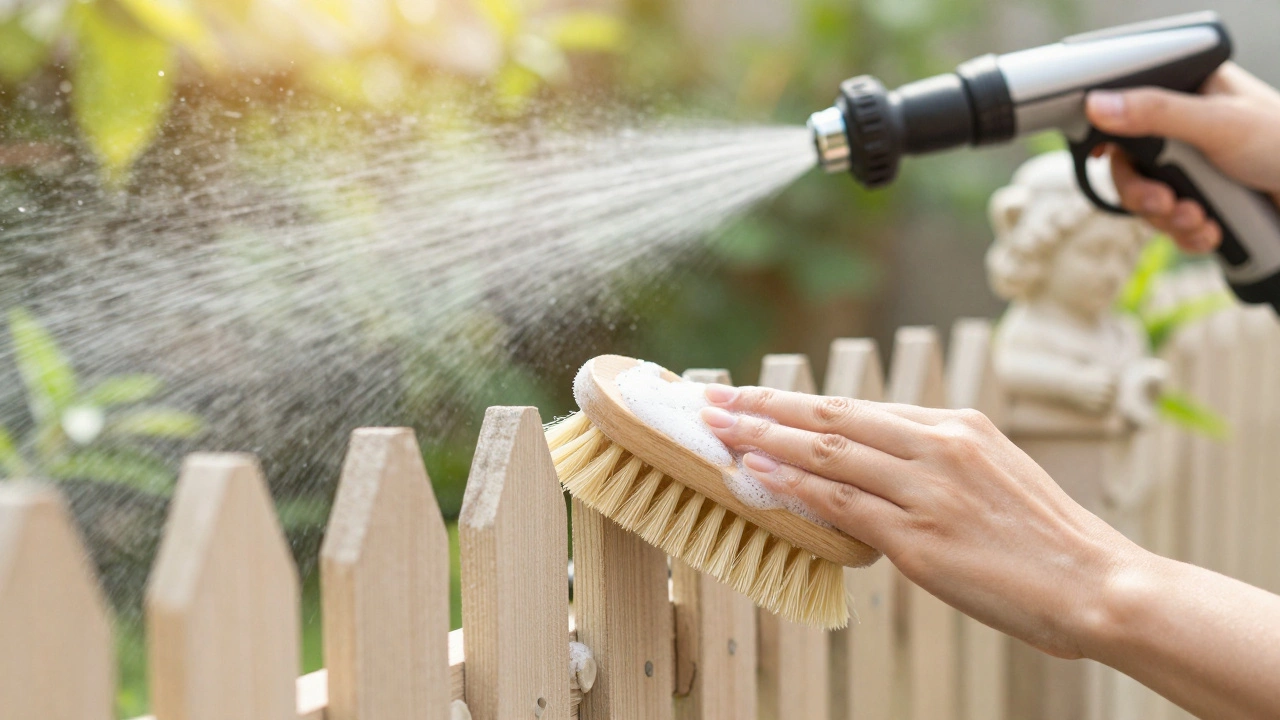
Your yard and decor add character to your home, but they are often the first things to suffer during a cleaning spree.
Cover your plants with drop cloths before cleaning nearby areas. For statues, use a soft brush and gentle soap solution to preserve their detail.
If you are unsure whether a surface can handle pressure washing, assume it cannot. Instead, opt for a soft wash approach. This method uses low pressure (under 500 PSI) and specialized cleaning solutions to break down dirt, mold, and algae. The chemicals do the heavy lifting, allowing you to rinse the surface gently without risking damage.
Soft washing is ideal for roofs, vinyl siding, stucco, and delicate landscaping. It is safer, more effective for biological growth, and preserves the lifespan of your home’s exterior. If you are tackling a large project, consider hiring a professional who understands the nuances of different materials. They will have the right equipment and knowledge to clean your home safely.
| Surface Type | Risk of Damage | Recommended Cleaning Method |
|---|---|---|
| Asphalt Shingles | Granule loss, leaks | Soft wash with algae killer |
| Vinyl Siding | Cracking, water intrusion | Garden hose + mild detergent |
| Windows & Screens | Cracks, bent screens | Squeegee and microfiber cloth |
| AC Units | Bent fins, coil damage | Soft brush and low-pressure rinse |
| Wooden Fences | Splintering, rot | Deck cleaner and stiff brush |
You should avoid pressure washing cracked driveways. The high-pressure water can penetrate the cracks and reach the sub-base, causing further erosion and widening the fissures. It is better to repair the cracks first, then clean the surface gently.
Only if the paint is in excellent condition and fully cured. If the paint is peeling, chipping, or old, pressure washing will strip it off entirely. For painted wood, use a soft brush and soapy water to avoid damaging the finish.
For vinyl siding, stay below 1,500 PSI. For wood siding, go even lower, ideally under 1,000 PSI. Always test a small, inconspicuous area first to ensure the surface can handle the pressure without damage.
Yes, if the concrete is old or crumbling. High-pressure water can erode the mortar between bricks or expose rebar in concrete, leading to structural issues. Use a gentle fan tip and keep the nozzle at least 12 inches away from the foundation.
Use a soft wash system. Mix a solution of water and oxygen bleach or a commercial roof cleaner. Apply it with a low-pressure sprayer or a pump-up sprayer. Let it sit for 15-20 minutes to kill algae and moss, then rinse gently with a garden hose.