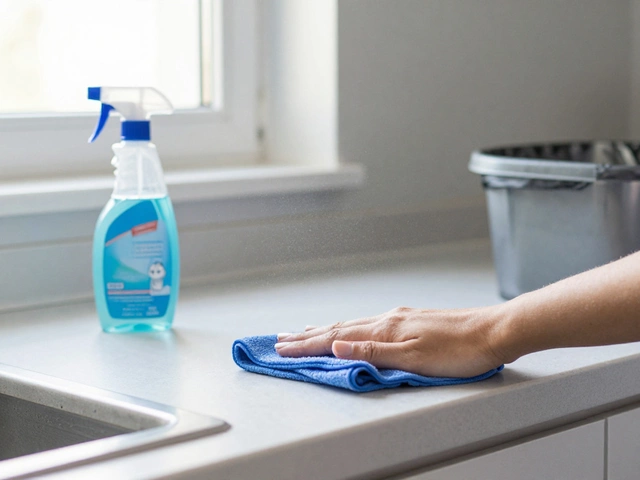
Regular cleaning won't protect your deposit. Professional cleaning meets landlord requirements and avoids costly deductions. This calculator shows you the true cost difference.
Real Cost Insight: Professional cleaning costs £180-£300 for a 2-bedroom flat, but the average deposit deduction for incomplete cleaning is £450.
When you’re moving out of a rented property in the UK, your landlord isn’t just asking you to tidy up-they’re expecting a level of cleanliness that goes far beyond what you’ve done every week. That’s where the difference between professional cleaning and regular cleaning becomes critical. One might get you your deposit back. The other might leave you out of pocket.
Regular cleaning doesn’t touch the grout between tiles. It skips the inside of the oven. It doesn’t clean behind the fridge or under the bathtub. It ignores dust buildup on light fixtures, window tracks, or the edges of baseboards. In a rented flat in Brighton, where humidity and salt air cling to surfaces, regular cleaning leaves behind a film of grease, mold spores, and years of overlooked dirt.
Landlords don’t care if your sofa looks neat. They care if the carpets are stained, if the bathroom has mildew in the corners, or if the kitchen extractor fan is caked in grease. These aren’t hygiene issues-they’re financial ones. A deposit deduction can cost you £200, £400, even £800 if the property isn’t returned to its original condition.
These aren’t optional extras. They’re what the UK’s Tenancy Deposit Scheme (TDS) and local housing officers look for during inspections. In 2025, over 62% of deposit disputes in Brighton were settled against tenants because the property wasn’t cleaned to professional standards-despite the tenant believing they’d "done a good job."
That’s why most letting agents in the UK now require a professional cleaning certificate. It’s not a suggestion. It’s a condition of returning your deposit. In London, Manchester, and Brighton, agents are increasingly using third-party inspection apps that log dirt levels with photos and timestamps. If your cleaning doesn’t match the move-in report, you lose.
Even if your landlord says, "Just make it look clean," they’re still bound by the law. The Tenant Fees Act 2019 bans them from charging you for "normal wear and tear." But it also says you must return the property in the same condition-minus fair wear and tear. That’s where professional cleaning becomes your legal shield.
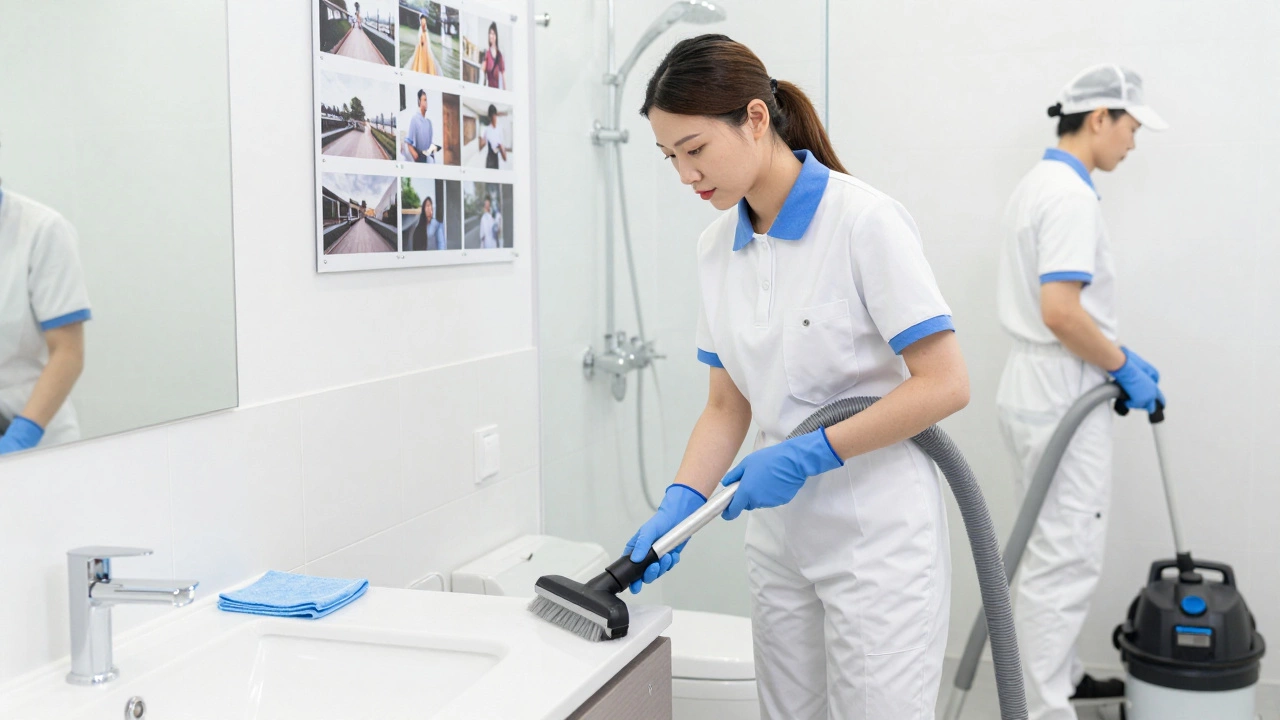
These tools aren’t just for show. A steam cleaner can remove 99% of bacteria from a bathroom floor. A HEPA vacuum can capture particles as small as 0.3 microns-dust mites, pollen, and mold spores you can’t even see. Regular cleaning tools don’t come close.
| Task | DIY Cost (Materials + Time) | Professional Cost (Average in Brighton) |
|---|---|---|
| Carpet cleaning | £40 (rental machine) + 3 hours labor | £75-£120 |
| Oven cleaning | £15 (cleaner) + 2 hours labor | £50-£80 |
| Bathroom grout cleaning | £20 (brushes + chemicals) + 2 hours labor | £60-£100 |
| Window cleaning (inside/outside) | £10 (glass cleaner) + 1.5 hours labor | £50-£80 |
| Overall deposit risk | Up to £1,000+ if failed inspection | £0 |
Professional cleaning for a typical 2-bedroom flat in Brighton costs between £180 and £300. That’s less than the average deposit deduction for a single failed inspection. And unlike DIY, it comes with a signed certificate-proof you met the standard.

Here’s the rule: if any surface looks like it hasn’t been cleaned in 6 months, hire a pro. If you’ve ever used bleach on grout and it turned yellow, hire a pro. If your kitchen extractor fan makes a noise when you turn it on, hire a pro. These aren’t signs of laziness-they’re signs of accumulated damage that regular cleaning can’t fix.
A reputable company will answer all of these without hesitation. If they say, "We just clean the basics," walk away. You’re not hiring a cleaner-you’re hiring insurance for your deposit.
And if you’re hiring a professional, ask them to take photos too. Many now include this in their service. It’s not just for you-it’s for the agent. It shows transparency. And transparency wins deposit disputes.
Professional cleaning isn’t a luxury. It’s your last line of defense. Regular cleaning keeps your home tidy. Professional cleaning keeps your money.
No, there’s no law that says you must hire a professional. But your tenancy agreement almost certainly requires you to return the property in the same condition as when you moved in-minus fair wear and tear. Most landlords and agents now require a professional cleaning certificate as proof. Without it, you risk losing your deposit, even if you think you cleaned well.
You can try, but it’s extremely difficult without the right tools and experience. Most tenants underestimate how much dirt builds up over time-especially in kitchens and bathrooms. Grout, oven interiors, and window tracks require specific techniques and cleaners that aren’t available in supermarkets. Even if you spend a full weekend cleaning, you’re unlikely to match the results of a professional with industrial equipment.
For a 2-bedroom flat, it usually takes 4 to 6 hours. Larger properties or those with heavy soiling (like pet owners or frequent cooks) can take 8 hours or more. Most companies schedule cleaning 1-2 days before your move-out date to allow time for drying and final checks.
It depends on the package. Basic end of tenancy cleaning usually covers the interior only. If your tenancy agreement includes a balcony, garden, or shed, ask if the service includes exterior areas. Many companies offer add-ons for £30-£60. Don’t assume it’s included-always confirm in writing.
If you have a signed cleaning certificate and photos showing the property’s condition, you can dispute the deduction through the Tenancy Deposit Scheme (TDS). The scheme will review evidence from both sides. In over 70% of cases where a professional certificate was provided, the tenant won the dispute. Keep all documentation-even emails and receipts-until your deposit is returned.