Select your problem area to get the perfect recipe:
Blackened, baked-on grease that looks impossible to remove.
High StrengthRegular upkeep, glass doors, and fresh splatters.
Low StrengthOily residue on racks or bottom of the oven.
Medium StrengthSmells like burnt popcorn, fish, or old smoke.
DeodorizerNever mix vinegar with bleach (releases toxic chlorine gas) or hydrogen peroxide in a closed container (creates corrosive peracetic acid). Always ensure good ventilation.
There is nothing quite as discouraging as opening your oven door and staring at a landscape of blackened, baked-on grease. It looks impossible to remove without spending a fortune on harsh chemical sprays that smell like industrial solvent. But you already have the solution in your kitchen cupboard. White distilled vinegar is a powerful, acidic cleaner that cuts through grease effectively when paired with the right partner ingredients.
You don't need to guess what works. Mixing vinegar with specific household staples creates reactions that lift grime, neutralize odors, and sanitize surfaces without leaving toxic residues. The key isn't just pouring vinegar over the mess; it's about creating the right chemical environment to break down carbonized food particles.
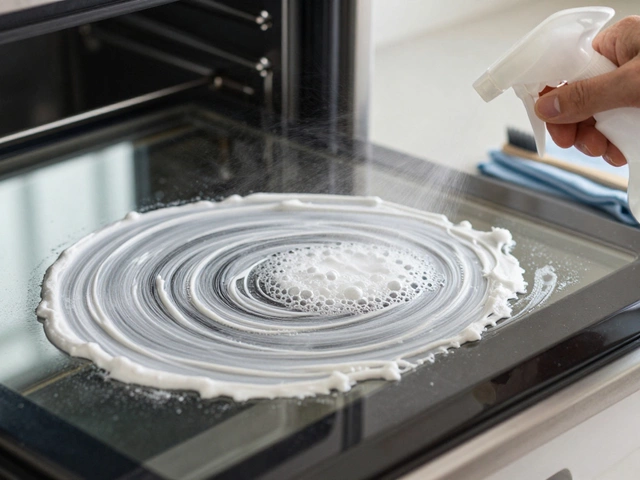
If you only try one method, make it this one. This combination is the most effective way to tackle heavy, stubborn buildup. The magic here lies in the chemistry between an acid and a base. When you mix baking soda, also known as sodium bicarbonate, with vinegar, you create a fizzy reaction called effervescence. While the fizz itself doesn't do all the work, the mechanical action helps push the cleaning solution into microscopic cracks in the grease layer.
Here is how to execute this properly:
You don't always need a full deep clean. If you wipe down your oven after every use, you can maintain cleanliness with a simple liquid solution. This method is best for weekly maintenance rather than removing years of neglect.
Mix equal parts white distilled vinegar and warm water in a spray bottle. You can add a few drops of dish soap if there is visible surface grease, but for general upkeep, the acidity of the vinegar is sufficient to dissolve light mineral deposits and fresh splatters.
Vinegar is great at cutting through mineral deposits and light acids, but it sometimes struggles with heavy, polymerized oils. Dish soap contains surfactants designed specifically to emulsify fats. Combining them gives you the acid power of vinegar and the fat-lifting capability of detergent.
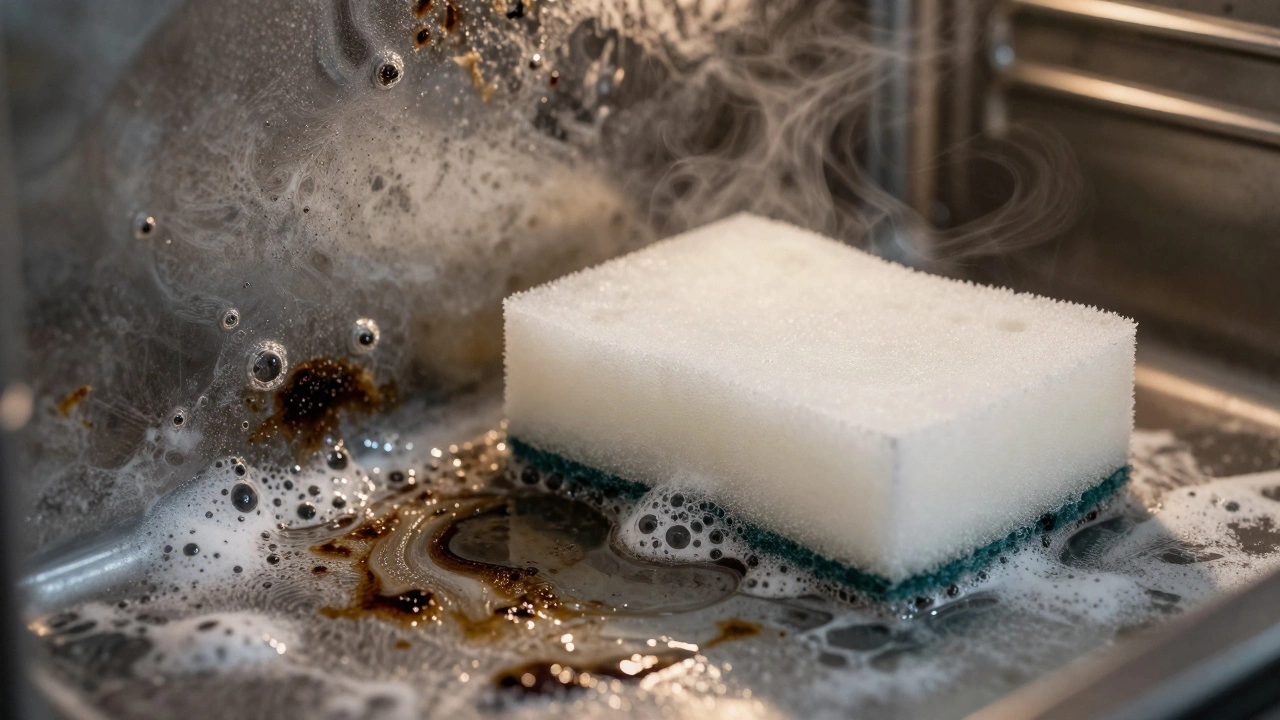
Mix half a cup of white vinegar, half a cup of hot water, and one tablespoon of a strong degreasing dish soap (like Dawn or Fairy) in a spray bottle. Shake gently to avoid excessive foaming. Spray this mixture onto greasy racks or the bottom of the oven. Let it soak for 15 minutes before scrubbing. The heat from the water helps melt the grease, while the soap lifts it away, allowing the vinegar to sanitize the surface afterward.
A clean oven should smell clean, not like burnt popcorn or old fish. Vinegar is excellent at neutralizing odors because its acetic acid binds with odor-causing molecules. However, the smell of vinegar can be pungent. Adding lemon juice provides a pleasant citrus scent and adds citric acid, which enhances the cleaning power against organic stains.
Combine one part white vinegar with one part fresh lemon juice and two parts water. Spray this inside the oven after you have removed the physical grime. Run the oven at a low temperature (around 150°C / 300°F) for 15 minutes to steam out the lingering smells. The result is a fresh, zesty aroma instead of a chemical or sour vinegar smell.
While mixing vinegar with baking soda or soap is safe, some combinations are dangerous. Never mix vinegar with bleach. This reaction releases chlorine gas, which is toxic and can cause severe respiratory damage. Also, avoid mixing vinegar with hydrogen peroxide in the same container for long periods, as this can create peracetic acid, which is corrosive to skin and eyes. Always keep these substances separate and ensure your kitchen is well-ventilated when cleaning.
| Mixture | Best For | Strength Level | Drying Time |
|---|---|---|---|
| Baking Soda + Vinegar | Heavy, baked-on grease | High | 12+ hours (paste) |
| Water + Vinegar | Light maintenance, glass doors | Low | 5-10 minutes |
| Dish Soap + Vinegar | Surface grease, oven racks | Medium | 15 minutes |
| Lemon + Vinegar | Odor removal, final rinse | Low | Immediate |
To get the most out of these natural cleaners, follow these practical tips:
Natural cleaners are fantastic for regular maintenance and moderate buildup. However, if your oven has not been cleaned in years, or if you suspect gas leaks or electrical issues within the appliance, it is safer to hire a professional cleaning service. Professionals use commercial-grade enzymes and steam cleaners that can penetrate deeper than home remedies without damaging sensitive components.
It is not recommended. Apple cider vinegar contains sugars and pigments that can leave a sticky residue or stain the interior of your oven. White distilled vinegar is clear, sugar-free, and provides the necessary acidity without the risk of staining.
For best results, leave the paste for at least 12 hours or overnight. This allows the alkaline baking soda to break down the fatty acids in the grease. Shorter times may require more vigorous scrubbing.
Yes, it is perfectly safe and highly effective. The dish soap acts as a surfactant to lift grease, while the vinegar cuts through mineral deposits and sanitizes. Just shake the mixture gently to avoid excessive foaming.
Vinegar is generally safe for enamel coatings found in most ovens. However, if your oven has a special ceramic or pyrolytic coating, check the manufacturer's guidelines first. Avoid abrasive scrubbers which can scratch these delicate surfaces.
No, never spray liquids directly onto the heating elements. This can cause electrical shorts or damage the element. Always apply cleaning solutions to the surrounding surfaces and avoid direct contact with the metal coils or bars.