Not sure if your detergent is safe? Check off the attributes of your current bottle to see its safety score.
Have you ever read the ingredient list on your favorite bottle of laundry detergent and felt like you needed a chemistry degree just to understand it? You aren't alone. For years, we’ve been told that if our clothes smell like "Spring Rain" or "Ocean Breeze," they are clean. But what is actually creating that scent, and where does it go when you rinse them out?
The truth is, many conventional detergents contain synthetic fragrances, optical brighteners, and harsh surfactants that can linger on fabrics, irritate sensitive skin, and eventually wash into our waterways. If you are looking for the least toxic laundry detergent, you need to look beyond the marketing claims on the front of the bottle. It’s not about finding a single magic product; it’s about understanding what ingredients to avoid and which certifications actually mean something.
To find the safest option, we first have to define what makes a detergent unsafe. Most mainstream brands rely on a cocktail of chemicals designed to make clothes look brighter and smell stronger, but these often come with hidden costs.
Synthetic Fragrances are perhaps the biggest culprit. The term "fragrance" is a trade secret loophole in many countries, allowing manufacturers to hide dozens of individual chemicals under one label. Many of these contain phthalates, which are known endocrine disruptors. They don’t just stay in the machine; they bind to your fibers and transfer to your skin every time you wear those clothes.
Another issue is Optical Brighteners. These are fluorescent compounds that coat your clothes to reflect light, making whites appear whiter. However, they can cause allergic reactions in some people and contribute to microplastic pollution in aquatic environments because they don’t fully break down in wastewater treatment plants.
We also see Non-Ionic Surfactants derived from petroleum, such as alcohol ethoxylates. While effective at removing grease, their production process can leave behind contaminants like 1,4-dioxane, a probable human carcinogen. When searching for the least toxic options, you want detergents that use plant-based surfactants instead.
You might see terms like "green," "natural," or "eco-friendly" slapped on almost any bottle today. This is called greenwashing, and it’s misleading. To truly identify low-toxicity detergents, look for third-party certifications that require rigorous testing and transparency.
| Certification Body | What It Checks | Why It Matters |
|---|---|---|
| EWG Verified | Ingredient safety, manufacturing practices, and transparency | Ensures no hidden hazardous chemicals like 1,4-dioxane or phthalates |
| USDA Certified Biobased | Percentage of plant-based content | Guarantees the product isn’t primarily made from petroleum derivatives |
| EPA Safer Choice | Individual ingredient safety based on EPA criteria | Confirms each component meets strict health and environmental standards |
| Leaping Bunny | Cruelty-free status (no animal testing) | Ensures ethical production alongside chemical safety |
If a brand doesn’t disclose its full ingredient list or lacks one of these recognized seals, proceed with caution. Transparency is the first step toward safety.
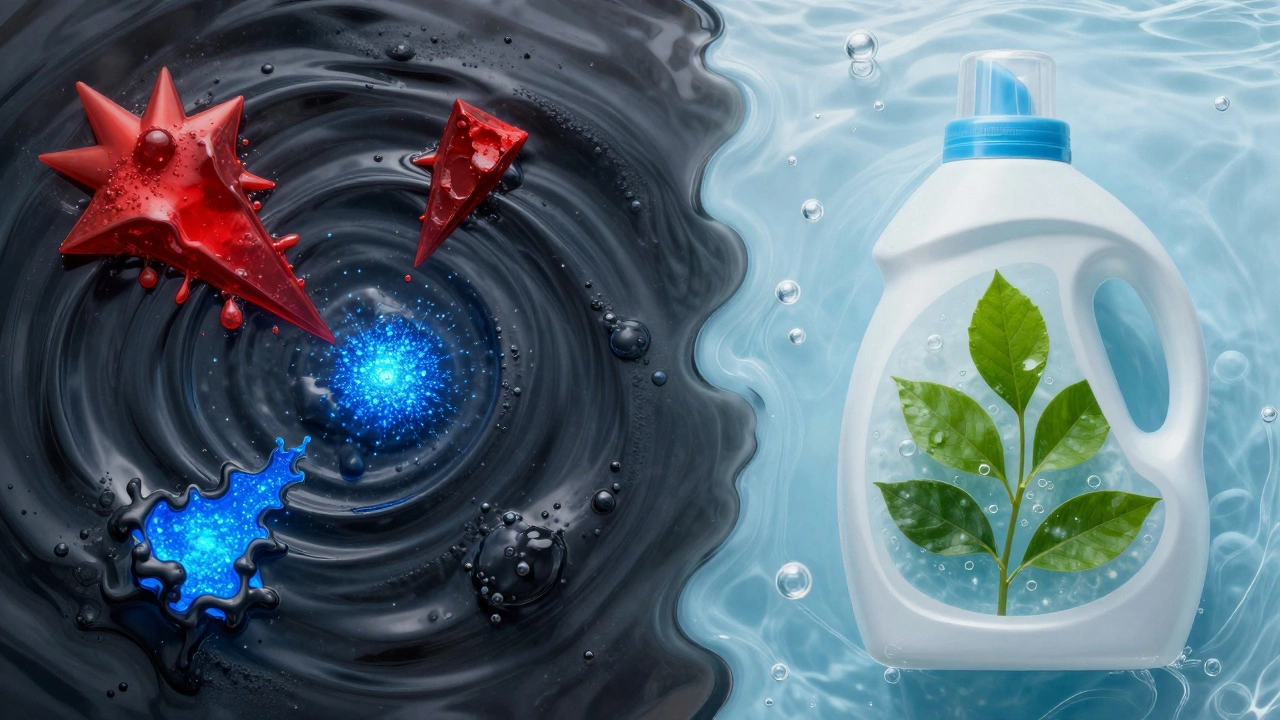
Based on ingredient transparency, certification status, and user feedback regarding cleaning power, several brands stand out as the safest choices for your home and the environment.
Seventh Generation has long been a pioneer in this space. Their Free & Clear formula is EWG Verified and uses plant-derived enzymes to tackle stains without synthetic fragrances or dyes. It’s a reliable workhorse for families with sensitive skin.
Dr. Bronner’s offers a liquid castile soap that works surprisingly well as a laundry additive. It’s ultra-concentrated, meaning a little goes a long way, and it contains organic oils. However, because it’s not formulated specifically as a detergent, it may require a bit more effort for heavy stains, and it leaves a very mild, natural scent rather than a perfumed one.
Biokleen is another strong contender, particularly for their unscented powder. It uses sodium carbonate and sodium silicate to boost cleaning power naturally. Like Seventh Generation, it carries the EPA Safer Choice label, ensuring that every ingredient has been vetted for safety.
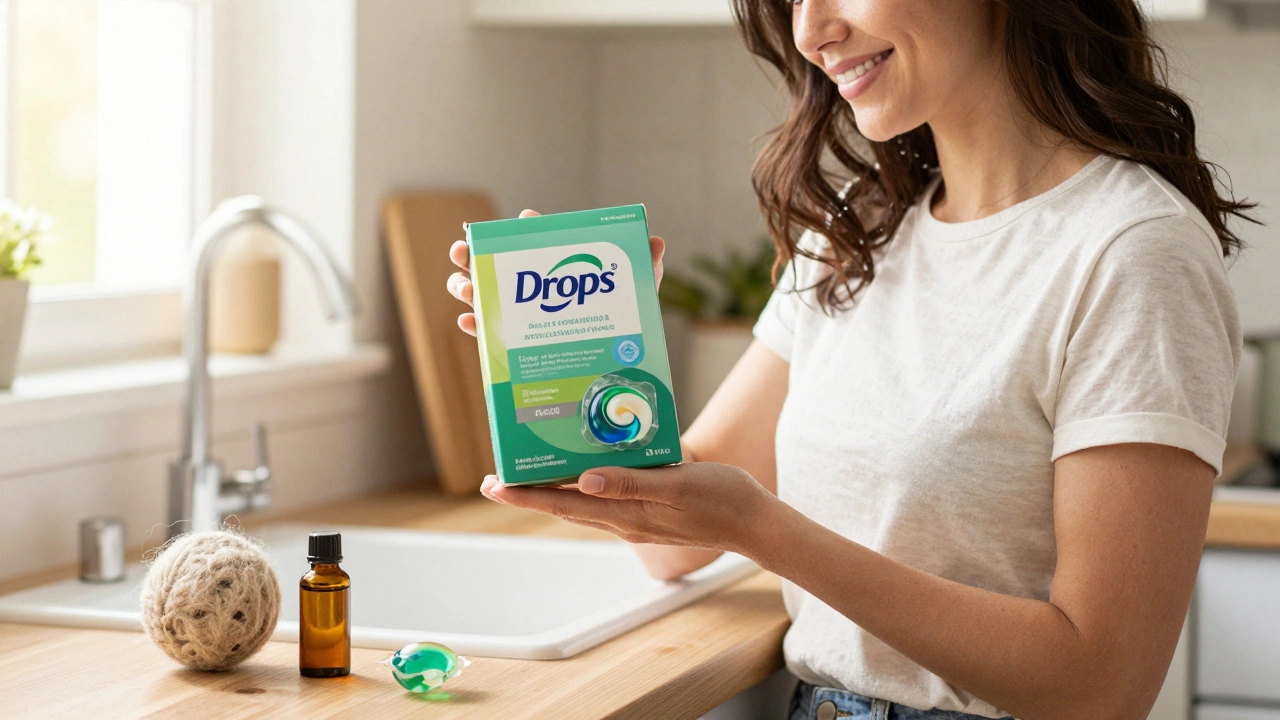
For those who prefer sheets over liquids, Dropps provides plastic-free, compostable pods. Their formulas are free from chlorine, phosphates, and synthetic dyes. While slightly pricier per load, the elimination of plastic waste makes them a compelling choice for eco-conscious consumers.
Many people turn to homemade solutions using Washing Soda, Baking Soda, and Castile Soap. While these ingredients are generally safer than commercial synthetics, there are caveats.
Mixing your own detergent can be inconsistent. Without precise measurements, you risk leaving residue on your clothes or damaging your washing machine over time. High-efficiency (HE) machines, for instance, require low-sudsing formulas. Castile soap tends to create too many suds, which can lead to mechanical issues in modern washers. If you choose the DIY route, stick to simple additions like adding half a cup of white vinegar to the rinse cycle to soften fabrics and remove odors, rather than replacing the entire detergent formulation.
Switching to a less toxic detergent isn’t just about buying a new bottle. You need to reset your machine and your habits to get the best results.
Tide is not classified as "toxic" in the sense that it will poison you if used correctly, but it does contain synthetic fragrances, dyes, and optical brighteners that can irritate sensitive skin and contribute to environmental pollution. It lacks the transparency and third-party safety certifications found in top-tier non-toxic brands.
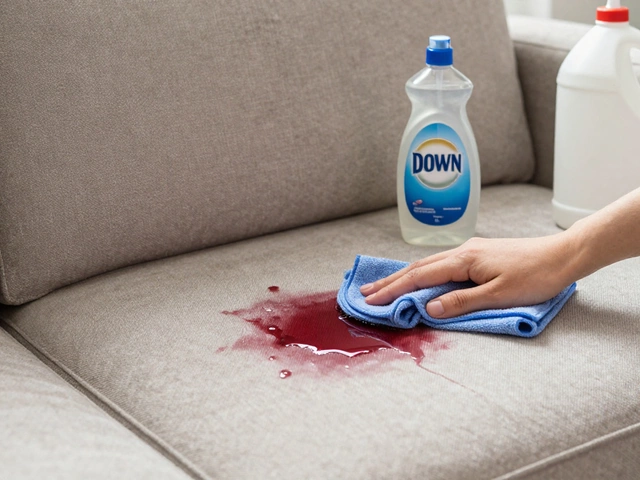
No, you should not use dish soap like Dawn as a regular laundry detergent. Dish soaps are designed to cut through grease on dishes and create high suds. In a washing machine, especially an HE model, this excessive sudsing can cause mechanical failure. Additionally, dish soaps often lack the enzymes needed to break down body soils and odors in fabric.
"Free and clear" typically means the product contains no added dyes or fragrances whatsoever. "Unscented" might still contain masking agents or neutralizers to cover up the smell of the raw ingredients. For the least toxic option, always choose "free and clear" to ensure zero fragrance chemicals are present.
Yes, modern non-toxic detergents clean effectively for everyday loads. They use plant-based enzymes and surfactants that break down stains. However, for extreme industrial-level grease or specialized medical stains, they may require pre-treatment or longer wash cycles compared to harsh chemical alternatives.
Powder detergents generally have a lower carbon footprint because they don’t require water in their formulation, reducing shipping weight and energy usage during transport. However, both liquid and powder can be eco-friendly if they are biodegradable, packaged in recycled materials, and free from harmful additives. Concentrated liquids also reduce packaging waste significantly.