Select the sustainable swaps you are ready to make in your home to see your total estimated environmental impact.
Estimated Plastic Bottles/Items Saved:
*Based on average annual household consumption
Toxin Exposure Level:
Shifting to natural agents reduces VOCs in your indoor air.
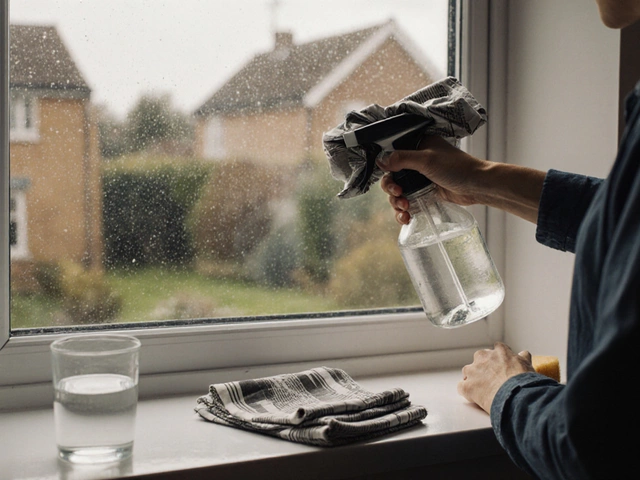
Cleaning is where most of us introduce the most toxins into our homes. If you're looking for eco-friendly products, start with the chemicals under your sink. Traditional cleaners often rely on ammonia or bleach, which are effective but aggressive. A better approach is using plants and minerals that do the job without the fumes.
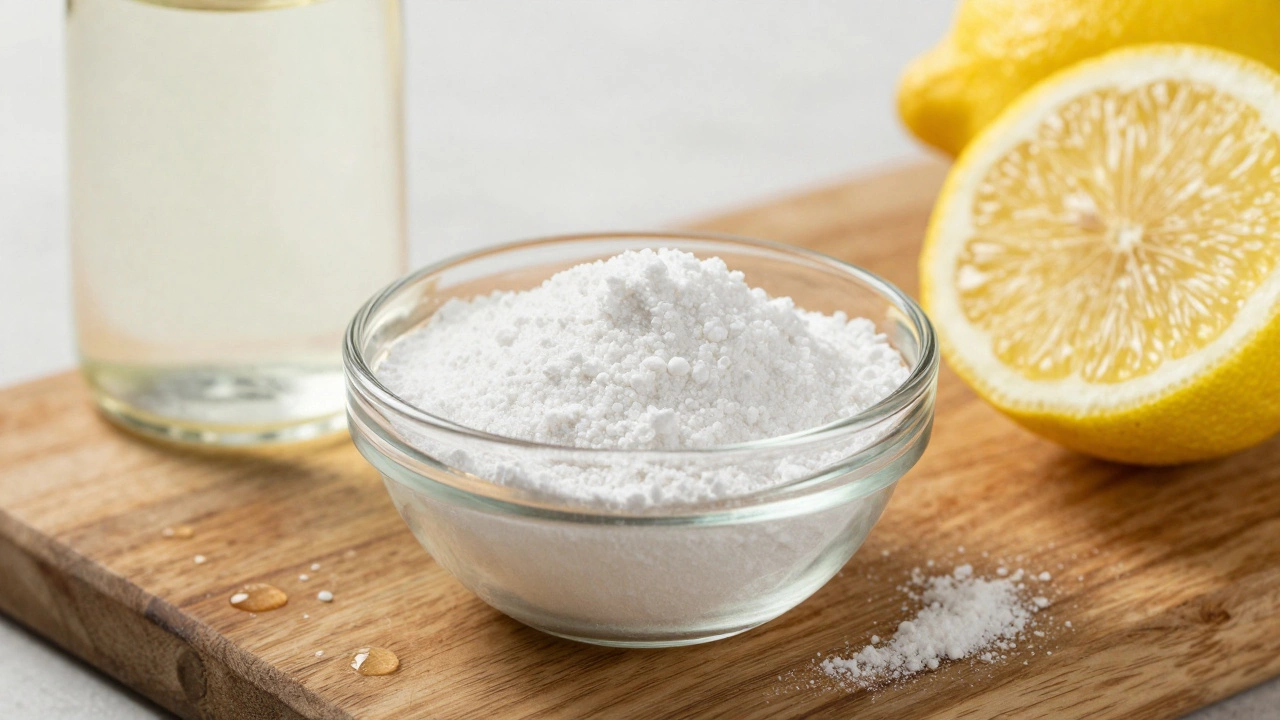
Take White Vinegar, for example. It's an acetic acid solution that cuts through grease and dissolves mineral deposits on taps. Pair it with Baking Soda (sodium bicarbonate), and you have a non-toxic scrubbing paste for ovens or bathtubs. These aren't just "old wives' tales"; they are chemically sound ways to clean without releasing volatile organic compounds (VOCs) into your living room.
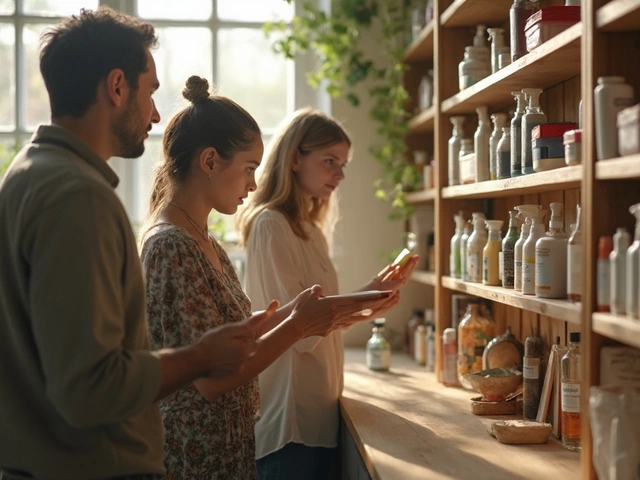
If you prefer store-bought options, look for brands that use Plant-Based Surfactants. These are molecules that break up oil and dirt but are derived from coconut or corn rather than crude oil. Check the label for certifications like EU Ecolabel or Cradle to Cradle, which prove the product's lifecycle is actually sustainable and not just a marketing trick.
| Feature | Traditional Cleaners | Sustainable Alternatives |
|---|---|---|
| Main Ingredients | Phthalates, Ammonia, Bleach | Citric Acid, Soapnuts, Enzymes |
| Packaging | Single-use HDPE Plastic | Glass, Aluminum, Compostable Paper |
| Biodegradability | Low (some chemicals persist) | High (breaks down quickly) |
| Air Quality Impact | High VOC emissions | Low to Zero VOCs |
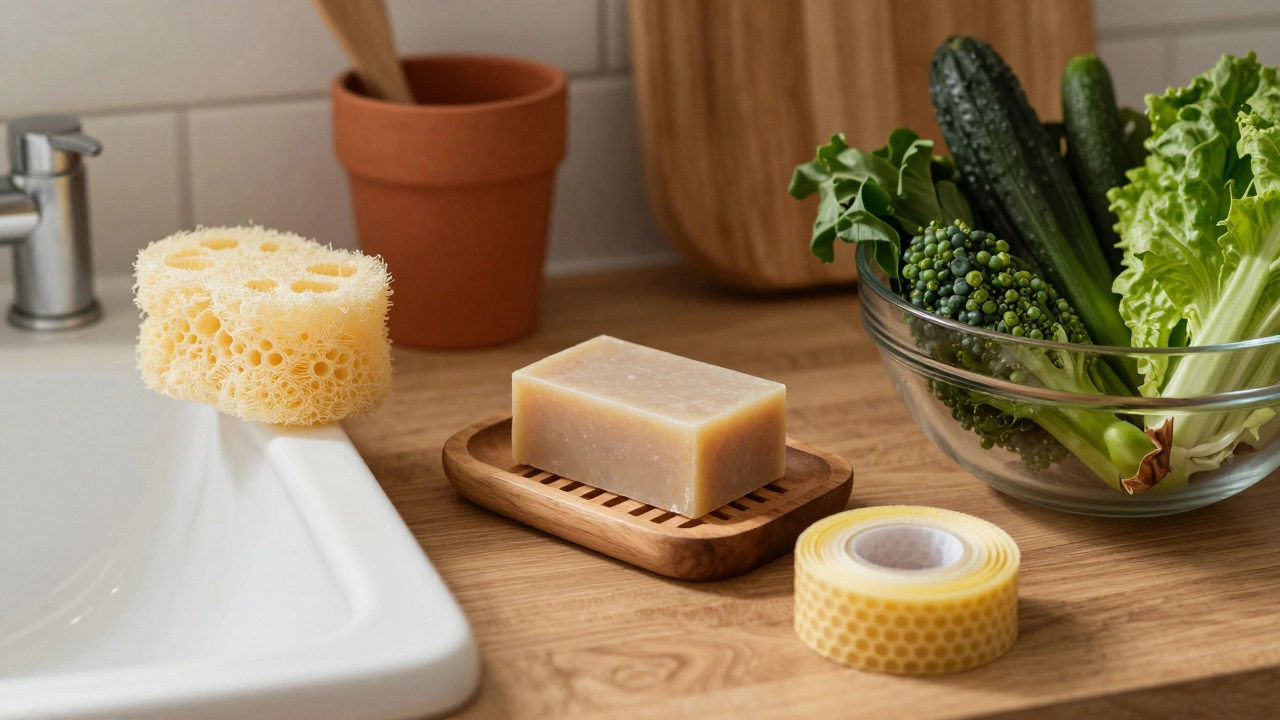
The kitchen and bathroom are plastic goldmines. From liquid hand soap to dish sponges, the waste adds up fast. One of the most effective swaps is moving to Bar Soap. By choosing solid bars over liquid gels, you eliminate the plastic bottle entirely and reduce the carbon footprint associated with transporting heavy water-based liquids.
Then there's the matter of the sponge. Most yellow-and-green sponges are made of polyurethane, a plastic that sheds microplastics into the water system every time you scrub a pan. Instead, try a Luffa Sponge. These are actually dried gourds. They are tough enough for pots and pans but can be tossed in the compost bin when they finally wear out.
In the bathroom, look at your dental care. Bamboo Toothbrushes have become a staple, but the real win is in the toothpaste. Many tubes are not recyclable. Switching to toothpaste tablets allows you to use a small glass jar, cutting out the plastic tube and the preservatives needed to keep a paste stable for years.
We often forget that the cloths we use to clean are also products. Disposable wipes are a nightmare for plumbing and the planet. Even "flushable" wipes often contain plastic fibers that contribute to "fatbergs" in city sewers.
Switching to Organic Cotton or hemp towels is a game-changer. Hemp is particularly impressive because it requires far less water to grow than cotton and is naturally antimicrobial. This means your cleaning cloths stay fresher for longer, requiring fewer washes.
For those dealing with heavy-duty messes, consider Microfiber Cloths made from recycled PET bottles. While they are still synthetic, using recycled materials prevents new plastic from being created, and their ability to remove dirt with just water reduces the amount of chemical cleaner you need to buy.
Not every product with a green leaf on the label is actually helpful. "Greenwashing" is when a company spends more time and money on marketing themselves as environmentally friendly than on actually minimizing their impact. How do you spot it? Look for vague terms like "natural" or "eco-conscious" without any supporting data.
A truly sustainable product will be transparent about its Supply Chain. They should tell you where the ingredients come from and how the workers are treated. If a bottle says "natural" but contains synthetic fragrances (often listed as just "parfum"), it's likely a marketing ploy. Real eco-products use essential oils or simply leave out the scent entirely to avoid irritating the respiratory system.
Another red flag is the "biodegradable" claim on plastics. Some plastics only biodegrade in industrial composting facilities at 60°C-not in your backyard or in the ocean. Look for "home compostable" certifications if you want something that actually disappears in your garden.
The biggest mistake people make is throwing away everything they currently own to buy "green" versions. That's actually the opposite of sustainable. The most eco-friendly product is the one you already have. Use up your current bottles of bleach and glass cleaner first.
Start your transition with a simple rule: replace as you deplete. When your current plastic sponge falls apart, buy a luffa. When your plastic dish soap runs out, try a solid dish block. This prevents waste and makes the financial shift easier on your wallet.
You can also start a small-scale "DIY station" in your laundry room. Keep a large jug of white vinegar and a box of baking soda. For 90% of home cleaning tasks, these two ingredients combined with a bit of water and a lemon are more effective than the specialized sprays sold in supermarkets. You'll save money, reduce plastic waste, and stop breathing in harsh chemicals.
Yes, in most cases. While some traditional chemicals work faster because they are more aggressive, plant-based enzymes and acids like citric acid are highly effective at breaking down grime and lime scale. You might need to let an eco-friendly cleaner sit on a surface for a few extra minutes to let the natural ingredients work, but the result is the same without the toxic residue.
Look for third-party certifications rather than brand claims. Certifications like TUV AUSTRIA "OK compost HOME" or the BPI (Biodegradable Products Institute) logo ensure the product meets strict standards for breaking down in natural environments. Avoid products that say "biodegradable" without specifying the conditions required for that process.
The best alternatives are Swedish dishcloths, microfiber cloths, or old t-shirts cut into rags. Swedish dishcloths are particularly great because they are made of cellulose and cotton, absorb huge amounts of liquid, and can be thrown in the washing machine or composted at the end of their life.
Absolutely. Bamboo is one of the fastest-growing plants on Earth and doesn't require pesticides. While plastic takes hundreds of years to break down into microplastics, bamboo is a natural fiber that composts relatively quickly, provided it hasn't been coated in a plastic resin.
Not at all. Some of the most sustainable products are the cheapest. White vinegar and baking soda cost pennies and replace a dozen specialized cleaners. The goal is to reduce consumption and waste, which usually means spending less money, not more.