Ever notice how gas station windows are always streak-free, even when the rest of the place looks like it hasn’t been cleaned since last summer? It’s not magic. It’s chemistry. And it’s not the same stuff you buy at the supermarket.
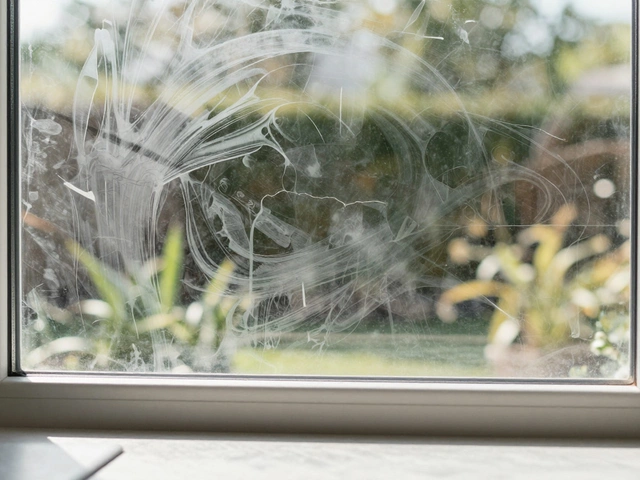
Gas stations don’t clean windows for looks. They clean them because customers need to see prices clearly. A dirty window means lost sales. That’s why they use something strong, fast, and cheap-something that cuts through grease, dust, and fingerprints in seconds.
Most gas stations use a commercial-grade window cleaner with a high concentration of ammonia. It’s not just any ammonia. It’s typically a 5-10% solution of ammonium hydroxide mixed with water, alcohol, and sometimes a small amount of surfactant. This isn’t the same as household glass cleaner, which often has less than 3% ammonia and added fragrances.
Ammonia works because it breaks down oils and organic grime. Gas station windows get coated with exhaust fumes, tire dust, fuel vapors, and handprints from customers reaching for snacks. Ammonia dissolves all of it. And it dries fast-critical when you’re cleaning 20+ windows a day.
If you’ve ever bought a bulk jug of cleaner from a janitorial supply store, you’ve probably seen labels like “Ammonia Glass Cleaner” or “Heavy Duty Window Cleaner.” These are the same products gas stations use. Here’s what’s inside:
Brands like Zep, Ecolab, and Reckitt’s Industrial Glass Cleaner are common. Some gas stations buy in 5-gallon jugs and refill spray bottles themselves. Others use automated window cleaning systems that spray the solution and wipe with microfiber pads on long poles.
You might think vinegar and water is just as good. It’s not. Vinegar is acidic and works well on hard water stains, but it’s too slow for high-volume cleaning. It doesn’t cut through grease the way ammonia does. And in cold weather, vinegar freezes faster-problematic when you’re cleaning windows at 5 a.m. in January.
Homemade cleaners like rubbing alcohol and water can work for occasional use, but they lack the surfactants needed to prevent streaking on large surfaces. Gas station windows are often 6 feet tall and 3 feet wide. One bad wipe means a customer sees a smudge and assumes the whole station is sloppy.
Plus, ammonia-based cleaners are cheaper per square foot. A 5-gallon jug of industrial cleaner costs about $25 and cleans 200+ windows. A bottle of vinegar? You’d need 10 bottles to do the same job, and you’d still get streaks.
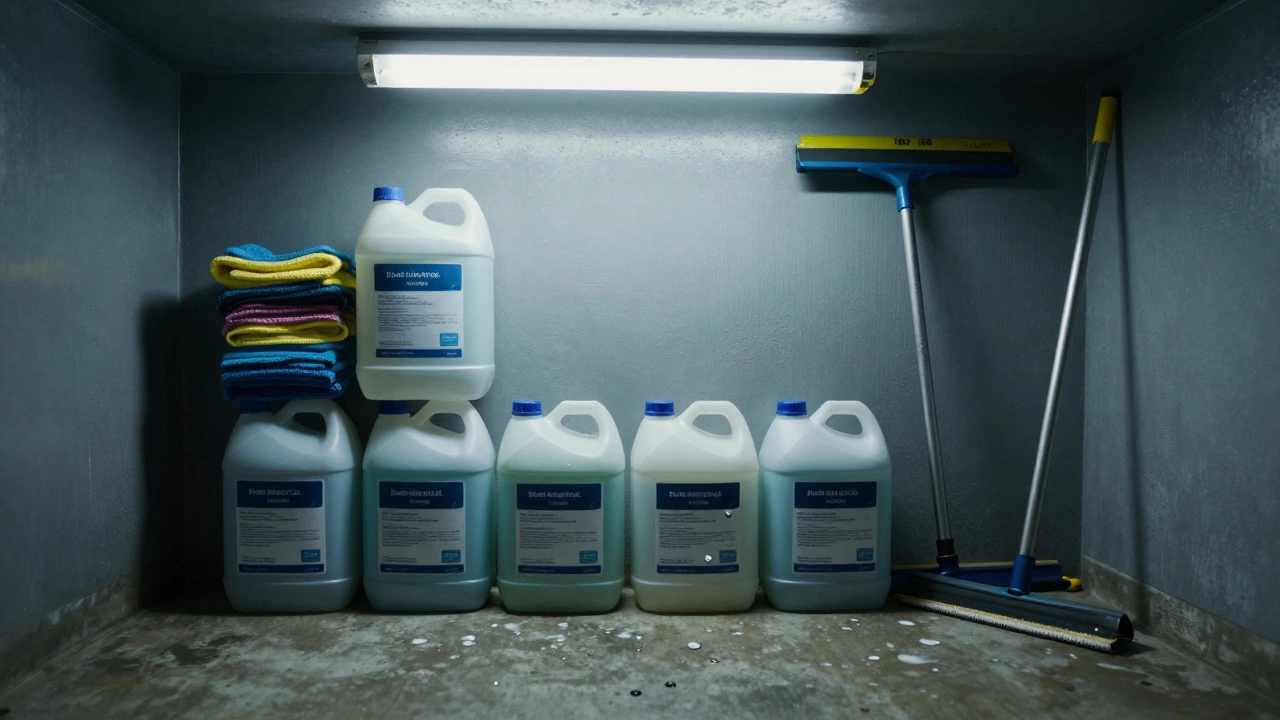
Most gas stations don’t use paper towels. They use reusable microfiber cloths or automated squeegees mounted on telescoping poles. The process is simple:
Some stations use a two-person team: one sprays, one wipes. Others use a single cleaner who goes through the entire station in under 15 minutes. Speed matters. Customers don’t want to wait while the clerk cleans windows.
Windex and similar retail products are designed for home use. They have added fragrances, dyes, and conditioners that leave a thin film over time. That film attracts dust and makes windows look cloudy after a few days.
Gas stations need clarity that lasts. Industrial cleaners have no additives. They’re pure cleaning power. And they’re designed to be used with equipment-not sprayed from a handheld bottle onto a single window.
Also, Windex costs about $4 for a 32-ounce bottle. A 5-gallon jug of industrial cleaner costs $25 and contains over 60 ounces. That’s a 75% cost savings per ounce.
Some small stations try to cut costs by using all-purpose cleaners or even dish soap. That’s a mistake.
Dish soap leaves a greasy residue that attracts more dirt. All-purpose cleaners don’t evaporate fast enough, leading to streaks. And if the cleaner contains bleach or chlorine, it can damage the window seals or tinted film on newer stations.
One gas station in Brighton switched to a bleach-based cleaner after a staff member recommended it. Within two weeks, the rubber seals around the windows started cracking. The repair cost was $1,200. They went back to ammonia cleaner the next day.
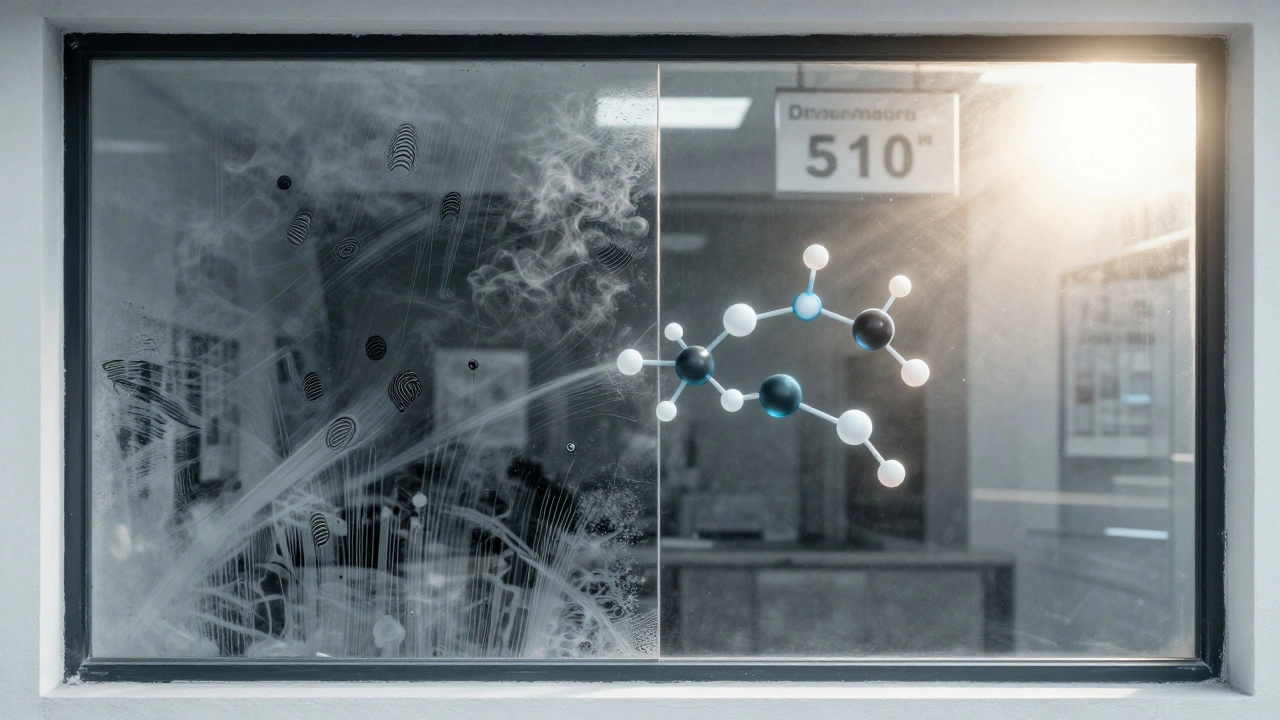
Ammonia is strong. It stings your eyes. It smells sharp. But it’s not dangerous if handled correctly. Gas station cleaners wear gloves and work in well-ventilated areas. They don’t mix it with other chemicals-especially bleach. That combination creates toxic chloramine gas.
Most stations keep the cleaner locked in a storage room, away from fuel and food items. Staff are trained to use only the amount needed. No one sprays it near the pumps or into the air.
It’s not something you’d want to use daily in your kitchen. But for cleaning 100+ windows a week? It’s the most effective, safest, and cheapest option available.
You can-but with caution. If you’re cleaning large, non-tinted windows (like patio doors or garage windows), a diluted ammonia cleaner can work wonders. Mix one part ammonia with four parts water in a spray bottle. Test on a small area first.
Don’t use it on tinted windows, acrylic, or mirrors with silver backing. It can damage coatings. And never use it around children or pets without proper ventilation.
For most home windows, a simple mix of distilled water and isopropyl alcohol (1:1) with a drop of dish soap works just fine. It’s safer, less smelly, and just as effective for occasional use.
Gas stations use ammonia-based industrial window cleaner because it’s fast, cheap, and gets results. It’s not glamorous. It doesn’t smell nice. But it keeps prices visible and customers coming back.
If you want that same shine at home, you don’t need to buy the same product. But if you’re cleaning a lot of windows-or dealing with greasy, dusty glass-you’ll understand why they stick with it. It’s not about tradition. It’s about efficiency.