Based on current selections
Let’s be honest: the idea of a "deep clean" often feels like a punishment. It conjures images of scrubbing grout until your knuckles bleed or spending an entire weekend on your hands and knees. But here is the truth-deep cleaning doesn’t have to mean hiring an army of professionals or working yourself into exhaustion. You can absolutely do it at home, provided you change how you think about the process.
The difference between a regular tidy-up and a true deep clean isn't just effort; it's intention. Regular cleaning maintains surface-level hygiene-wiping counters, sweeping floors, loading the dishwasher. Deep cleaning targets the hidden dirt, grease buildup, and allergens that accumulate in crevices, behind appliances, and inside machines. If you’ve ever wondered if you can achieve a spotless home without breaking the bank, the answer is yes. But you need a strategy, not just elbow grease.
Before you grab a bucket, you need to know where to aim. Trying to deep clean every square inch of your house in one go is a recipe for burnout. Instead, focus on high-impact zones. These are areas where dirt hides and health risks accumulate.
Kitchen Appliances are prime candidates. Your refrigerator interior, oven racks, and microwave splatter shields harbor food particles and bacteria that daily wiping misses. Similarly, Bathroom Grout and Fixtures collect soap scum and hard water stains that require specific chemical reactions to dissolve, not just water and a cloth.
Don't overlook textiles. Curtains and Upholstery act as dust magnets. Over time, they trap pet dander, pollen, and dead skin cells. Washing these items is a core part of deep cleaning because it resets the air quality in your home.
You don’t need industrial machinery, but a sponge and tap water won’t cut it. To deep clean effectively at home, you need tools that reach deeper and chemicals that break down tough bonds.
| Tool | Purpose | Why It Matters |
|---|---|---|
| Microfiber Cloths | Dusting and wiping surfaces | Traps dust instead of pushing it around; reduces lint. |
| Steam Cleaner | Sanitizing floors, upholstery, and tiles | Kills 99.9% of bacteria without harsh chemicals. |
| Oxygen Bleach (Sodium Percarbonate) | Whitening fabrics and soaking sinks | Safe for colors, breaks down organic stains effectively. |
| Grout Brush | Scrubbing tile lines | Narrow bristles reach into narrow gaps where dirt hides. |
| Vacuum with HEPA Filter | Removing allergens from carpets | Prevents fine dust from recirculating into the air. |
If you live in a humid climate or have pets, consider investing in a dehumidifier to run alongside your cleaning routine. Moisture promotes mold growth, which makes deep cleaning feel futile if the underlying environment isn't controlled.
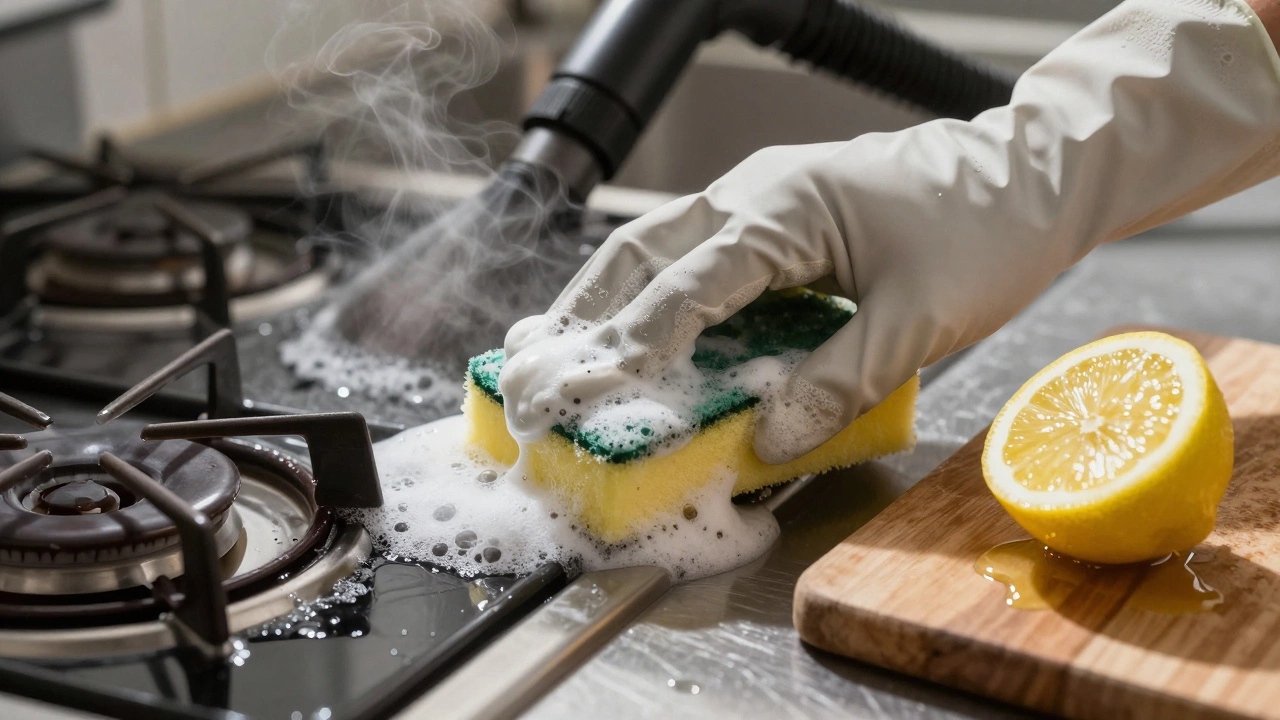
The biggest mistake people make is jumping randomly from room to room. This leads to missed spots and double work. Adopt a top-to-bottom, left-to-right approach.
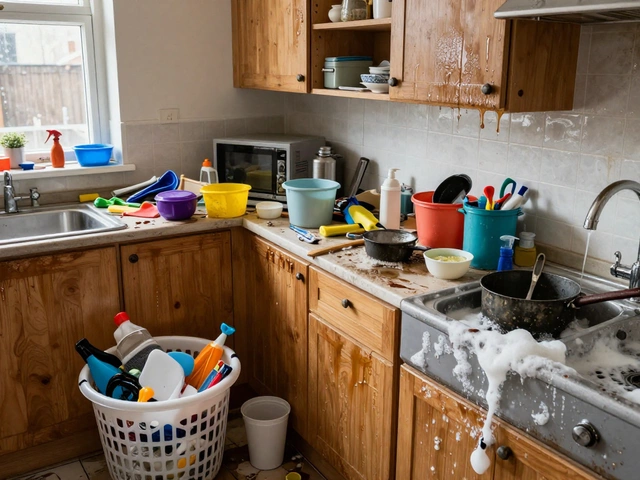
Kitchens are the hardest rooms to deep clean because of grease. Grease is oily, so water alone slides right off it. You need degreasers. Start by pulling out the refrigerator. Vacuum the coils at the back if accessible-they get dusty and reduce efficiency. Inside, remove all shelves and soak them in warm water with dish soap. Wipe down the interior walls with a vinegar solution to neutralize odors.
For the oven, avoid toxic commercial sprays if possible. Make a paste of baking soda and water, spread it over the interior, and let it sit overnight. The alkaline nature of baking soda breaks down baked-on carbon. Scrub it off the next morning with a damp cloth. For stovetops, use a dedicated degreaser and pay attention to the knobs and backsplash, where splatter accumulates invisibly.
Bathrooms suffer from two enemies: soap scum and hard water minerals. Soap scum is acidic, while hard water deposits are mineral-based. Use a citric acid-based cleaner for limescale on showerheads and faucets. For soap scum, an enzymatic cleaner works well because it eats away the organic matter.
Don't forget the toilet tank. Most people only clean the bowl. Open the lid, wipe the inside of the tank, and check the flapper for wear. A leaking flapper wastes water and causes constant running noise. Finally, seal any cracks in caulking around the tub. Old, blackened caulk traps moisture and mold, making the bathroom look dirty no matter how much you scrub.
In living rooms and bedrooms, dust is the main adversary. Start high. Dust ceiling fans, light fixtures, and crown molding. Gravity will pull that dust down, so you’ll want to sweep or vacuum the floors last. Wash your curtains. Even if they’re labeled "dry clean only," many modern fabrics can be gently hand-washed or steam-cleaned at home. Check the label first.
Flip your cushions and mattresses. Vacuum the seams. Consider using a mattress protector to prevent future deep cleaning needs. Bed bugs and dust mites thrive in unprotected mattresses.
You might worry that natural cleaners are weak. They aren’t. In fact, some household staples are more effective than store-bought chemicals for specific tasks.
Avoid mixing vinegar and bleach. This creates chlorine gas, which is dangerous. Stick to simple, single-ingredient solutions for safety and effectiveness.
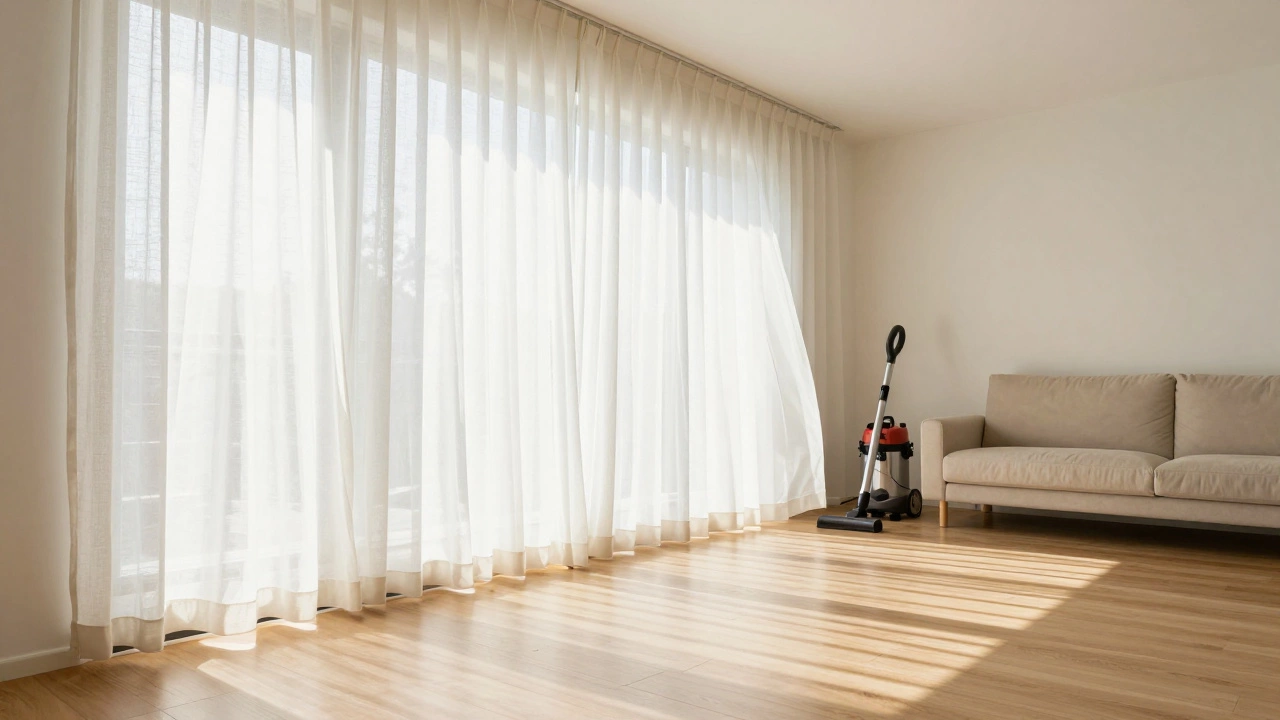
While you can do most deep cleaning tasks yourself, there are limits. If you have severe allergies, respiratory issues, or mobility challenges, hiring help is a health decision, not a laziness one. Additionally, certain tasks require specialized equipment that isn’t worth buying for a one-time job.
Carpet extraction, for example, requires powerful vacuums that pull hot water and detergent deep into fibers and suck it back out. Home rental units often lack this power, leaving carpets damp and prone to mold. Similarly, if you suspect mold growth behind walls or under flooring, call a professional remediation service. Disturbing toxic mold spores without proper containment can spread contamination throughout your home.
Also consider end-of-tenancy cleaning. If you’re moving out, landlords often expect a level of cleanliness that goes beyond standard maintenance. Professional cleaners have the speed and supplies to meet these strict standards, saving you stress during a busy move.
Deep cleaning shouldn’t be a crisis mode event. It should be integrated into your routine. Here’s how to keep your home fresh without starting from scratch every month.
By maintaining these habits, your deep clean sessions become lighter touch-ups rather than massive overhauls. You’ll find that your home stays healthier, smells better, and feels more inviting with less effort over time.
A full deep clean of an average-sized home typically takes 4 to 8 hours if done alone. However, breaking it into zones over a weekend makes it manageable. For larger homes or those with significant clutter, it may take longer. Efficiency improves with practice and the right tools.
It depends on your time, budget, and physical ability. Professionals save time and ensure thoroughness, especially for tasks like carpet extraction or mold removal. If you value your free time or have health concerns, hiring help is worthwhile. For routine maintenance, DIY is cost-effective.
Vinegar, baking soda, lemon juice, and hydrogen peroxide are highly effective natural cleaners. Vinegar cuts grease and minerals, baking soda scrubs and deodorizes, lemon whitens, and hydrogen peroxide disinfects. Avoid mixing vinegar and bleach due to toxic fumes.
Most homes benefit from a deep clean every 3 to 6 months. Households with pets, young children, or allergy sufferers may need more frequent deep cleans, such as quarterly. Adjust based on visible dirt accumulation and indoor air quality.
Yes, you can rent a carpet extractor or buy a portable model. However, home units often lack the suction power of professional machines, which can leave carpets damp. Ensure proper drying time to prevent mold. For heavily soiled carpets or stubborn stains, professional cleaning is recommended.