Analyzing chemical compatibility...
Select an issue and material to see the recommended sanitization protocol.
Description goes here.
It’s 3 AM. You’re staring at the ceiling, tossing and turning because that faint, musty smell from your bed is driving you crazy. Or maybe you just spilled coffee on the sheets and panicked about bacteria. Your first instinct? Grab the nearest spray bottle-probably Lysol, a popular household disinfectant known for killing 99.9% of germs-and give it a good misting. Stop right there. Before you trigger that nozzle, you need to know what happens when chemical disinfectants meet porous foam.
The short answer is: **Do not spray Lysol directly onto your mattress.** It sounds like a quick fix, but it can damage the materials, leave toxic residues where your skin spends eight hours a day, and actually make stains worse by setting them into the fabric. However, you *can* use Lysol safely if you change your approach slightly. Here is how to sanitize your sleep space without ruining your investment or your health.
Mattresses are not hard surfaces like kitchen counters or bathroom tiles. They are complex structures made of memory foam, latex, innersprings, and woven fabrics. When you spray liquid disinfectants directly into these layers, several things go wrong immediately.
First, consider absorption. Memory foam acts like a sponge. If you spray Lysol directly onto the surface, the liquid soaks deep into the core. This creates two major problems:
Second, think about staining. Many Lysol products contain dyes or oils that can discolor light-colored mattress covers. Once the liquid penetrates the top layer, you cannot wipe it away. You are left with a yellowed or spotted mattress that looks older than it is.
| Risk Factor | Consequence | Recovery Time |
|---|---|---|
| Mold Development | Internal moisture traps humidity, leading to fungal growth | Weeks to months (may require professional drying) |
| Skin Irritation | Residual chemicals contact skin during sleep | Immediate until fully aired out |
| Fabric Damage | Dyes or solvents weaken fibers and cause discoloration | Permanent |
| Odor Retention | Chemical smell mixes with body odor, creating a stale scent | Days to weeks |
If you want the germ-killing power of Lysol, you don’t have to abandon it entirely. The key is indirect application. Instead of spraying the mattress itself, target the removable layers.
Step 1: Strip the Bed. Remove all sheets, pillowcases, and duvet covers. Check the care labels. Most cotton and polyester blends can handle high-heat washing. Wash them in hot water (at least 60°C / 140°F) to kill dust mites naturally. Add a cup of white vinegar to the rinse cycle to neutralize odors without harsh chemicals.
Step 2: Treat the Protector. If you use a waterproof mattress protector, check if it is machine washable. If yes, wash it. If no, you can lightly mist the *outside* of the protector with Lysol, but only after testing a small hidden area first. Allow it to air dry completely before putting it back on the mattress. Never spray through the protector onto the mattress underneath.
Step 3: Air Purification. For the room itself, you can use Lysol Air Effects or similar sprays to freshen the ambient air. This helps reduce airborne particles settling on the bed, but it does not replace physical cleaning of the mattress surface.
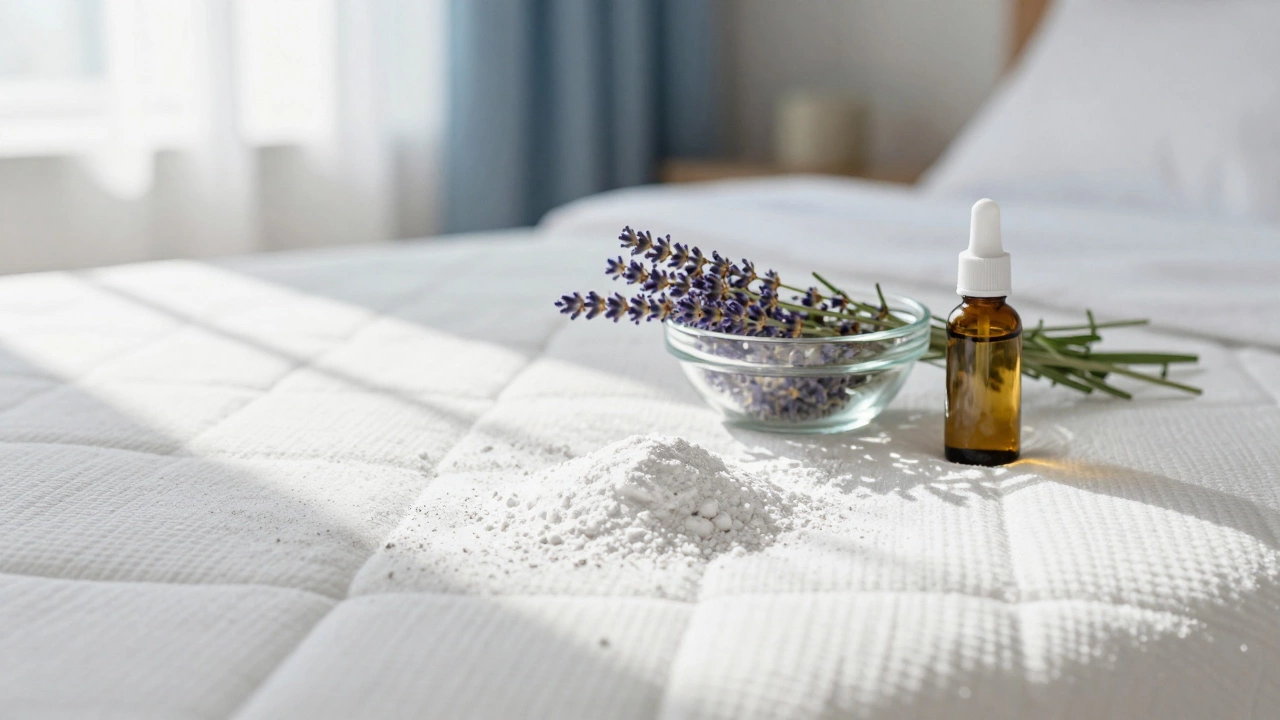
Since direct spraying is off the table, what should you use instead? There are safer, more effective methods specifically designed for porous fabrics.
Baking soda is the gold standard for mattress maintenance. It doesn’t kill bacteria on contact like Lysol, but it absorbs moisture and neutralizes acidic odors caused by sweat and urine.
If you have pet accidents, sweat stains, or bodily fluids, Lysol will not remove them. In fact, it might set the protein-based stain. Use an enzyme cleaner instead. These products contain biological enzymes that eat away at organic matter. Apply sparingly, blot (do not rub), and allow to air dry. Enzyme cleaners are safe for most mattress materials when used correctly.
High-temperature steam is one of the most effective ways to sanitize a mattress without chemicals. Steam cleaners heat water to over 100°C (212°F), which kills dust mites, bed bugs, and bacteria instantly upon contact.
You can rent a commercial-grade steam cleaner or buy a handheld model. Move the nozzle slowly across the surface. Because steam uses only water, there are no toxic residues left behind. Just ensure you open windows to help the mattress dry faster.
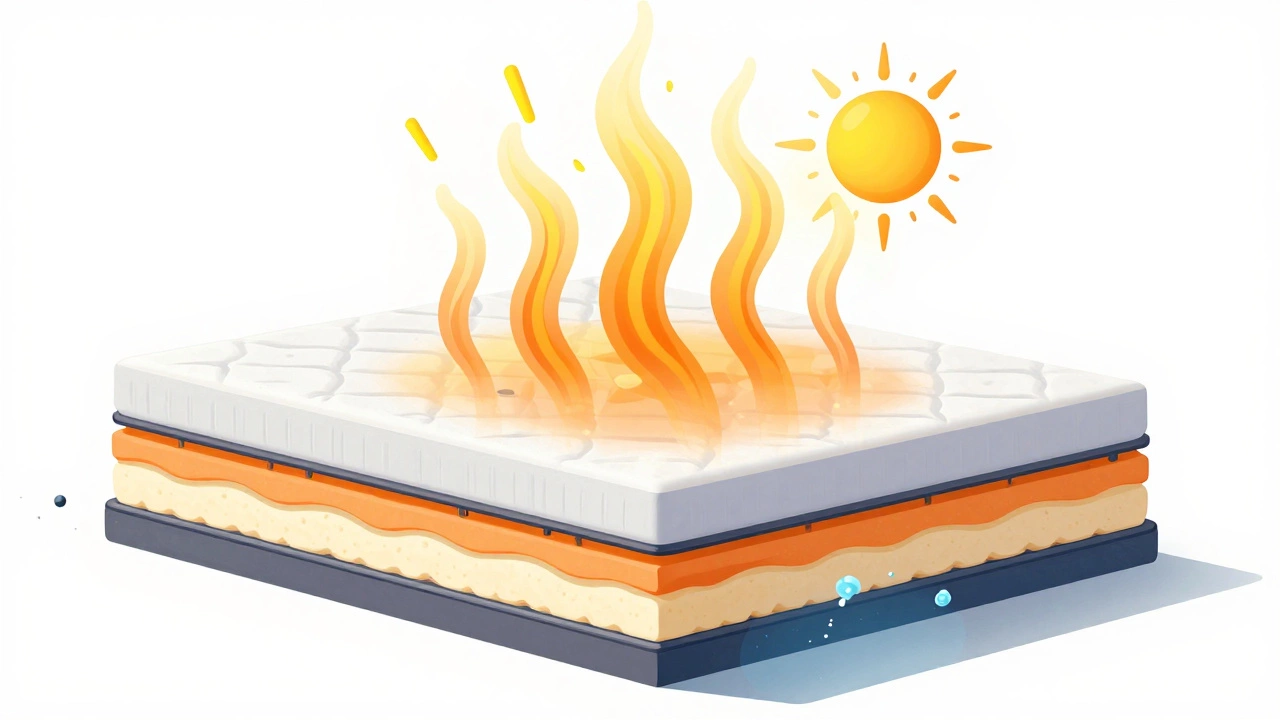
If you live in a sunny climate, take your mattress outside on a warm day. Ultraviolet (UV) rays from the sun are natural disinfectants. Place the mattress in direct sunlight for 2-4 hours. The heat also helps evaporate any residual moisture. Flip it halfway through to treat both sides. This method is free, eco-friendly, and highly effective against dust mites.
Different messes require different responses. Knowing what you are dealing with determines your cleaning strategy.
Dust Mites: These microscopic creatures thrive in warm, humid environments. They feed on dead skin cells. To control them, wash bedding weekly in hot water, use allergen-proof mattress encasements, and keep indoor humidity below 50%. Vacuuming the mattress monthly with a HEPA filter vacuum removes their debris and bodies.
Bed Bugs: If you suspect bed bugs, do not spray Lysol. It will not kill the eggs and may scatter the insects to other parts of the room. Heat treatment is the only reliable DIY method. Seal the mattress in a plastic bag and leave it in a hot car (above 45°C / 113°F) for several hours, or use a steam cleaner meticulously along seams and tufts. For infestations, call a professional pest control service.
Urine or Sweat Stains: Blot up excess liquid immediately. Mix equal parts white vinegar and water. Lightly dab the area (do not soak). Let it air dry. Then apply baking soda to absorb remaining odor. Repeat if necessary. Avoid ammonia-based cleaners as they can smell like urine to pets and attract them back to the spot.
Cleaning your mattress isn’t a one-time event. It’s part of ongoing home hygiene. Here is a simple schedule to keep your bed fresh and healthy:
Some situations exceed DIY capabilities. If you have severe allergies, asthma, or a large-scale biohazard (like extensive flooding or sewage backup), hire a professional mattress cleaning service. They use industrial extraction machines and EPA-approved sanitizers that are safe for porous materials. Look for companies certified by the Institute of Inspection, Cleaning and Restoration Certification (IICRC) to ensure they follow industry standards.
No, you should avoid using Lysol wipes directly on the mattress. Like the spray, wipes contain moisture and chemicals that can seep into the foam, causing mold growth or leaving irritating residues. Wipes are designed for hard, non-porous surfaces. For spot cleaning, use a damp cloth with mild soap and water, then blot dry.
While Lysol claims to kill some types of microbes, it is not specifically formulated or proven to be effective against dust mites in porous materials like mattresses. Dust mites are protected by the deep layers of foam. Hot water washing (above 60°C) and steam cleaning are far more effective methods for eliminating dust mites.
It is not recommended to sleep on a mattress sprayed with Lysol until it has completely dried and aired out for at least 24 hours. Even then, residual chemicals may remain in the foam. Prolonged exposure to these chemicals through skin contact and inhalation can cause respiratory issues and skin irritation. It is safer to use alternative cleaning methods like baking soda or steam.
To remove sweat odor, start by stripping the bed and washing all linens in hot water. Then, sprinkle baking soda generously over the mattress surface. Let it sit for several hours or overnight to absorb moisture and neutralize odors. Vacuum thoroughly afterward. For persistent smells, mix a solution of equal parts white vinegar and water, lightly dab the affected areas, and allow to air dry completely before applying baking soda again.
Steam cleaning can damage memory foam if too much moisture is introduced. Memory foam retains heat and water, which can lead to internal mold growth if not dried properly. Use a handheld steamer with low moisture output, moving quickly across the surface. Always ensure good ventilation and use fans to speed up drying. Alternatively, consider renting a professional-grade extractor that pulls moisture out as it cleans.