Enter your details and click analyze to see personalized recommendations.
Picture this: it’s Sunday morning, you’ve got your favorite playlist on, and you’re ready to tackle the grime that’s been hiding behind the fridge for months. You grab a bucket, some spray bottles, and maybe a scrub brush you found in the garage. But by noon, your back is aching, the kitchen still looks questionable, and you’re wondering if hiring a pro would have been cheaper than the stress you just put yourself through.
The short answer to "can deep cleaning be done at home?" is yes. Absolutely. But the longer, more honest answer depends on what you mean by "deep clean," how much time you actually have, and whether you enjoy elbow grease or prefer results without the sweat.
Deep cleaning isn’t just wiping down surfaces. It’s the heavy lifting of home maintenance-scrubbing baseboards, descaling showerheads, washing windows inside and out, and getting into those corners where dust bunnies throw house parties. Doing this yourself saves money but costs time and energy. Hiring someone flips that equation. Let’s break down exactly what goes into a real deep clean, so you can decide which path fits your life right now.
We use the term loosely. Most people think deep cleaning means mopping the floor harder than usual. In reality, deep cleaning is a thorough cleaning process that targets hidden dirt, grime, and allergens in areas often missed during regular weekly tidying. It’s the difference between vacuuming the rug and moving the couch to vacuum underneath it.
Think of regular cleaning as maintenance and deep cleaning as restoration. When you do your weekly chores, you’re keeping things presentable. When you deep clean, you’re resetting the baseline. This usually happens seasonally-like during spring cleaning-or when you’re preparing to sell a house or move out of a rental.
A true deep clean includes tasks that require specific tools or chemicals. We’re talking about degreasing the range hood filters, sanitizing the refrigerator interior, washing baseboards, cleaning light fixtures, and scrubbing tile grout. These aren’t quick wipes; they are projects. If you plan to do this at home, you need to accept that one room might take two hours instead of twenty minutes.
If you decide to tackle this yourself, preparation is everything. You can’t wing a deep clean. You need a system. Start by gathering the right gear. A good microfiber cloth set, a sturdy scrub brush, a vacuum with strong suction (preferably a HEPA filter model), and an all-purpose cleaner are non-negotiable. For tougher jobs, you might need a steam cleaner for carpets or an oven-safe degreaser for the kitchen.
Here is a realistic breakdown of how to approach different zones:
The biggest trap DIYers fall into is trying to do it all in one day. That’s a recipe for burnout. Break it down. Do the kitchen on Saturday, bathrooms on Sunday, and living spaces on Monday. Or spread it out over a weekend. The goal is completion, not speed.
There’s no shame in paying for help. In fact, for many people, it’s the smarter financial move when you factor in opportunity cost. If your hourly wage is higher than what a cleaning service charges, hiring pros makes economic sense. More importantly, professionals bring equipment you probably don’t own and expertise you haven’t developed.
Consider hiring a professional cleaning service if:
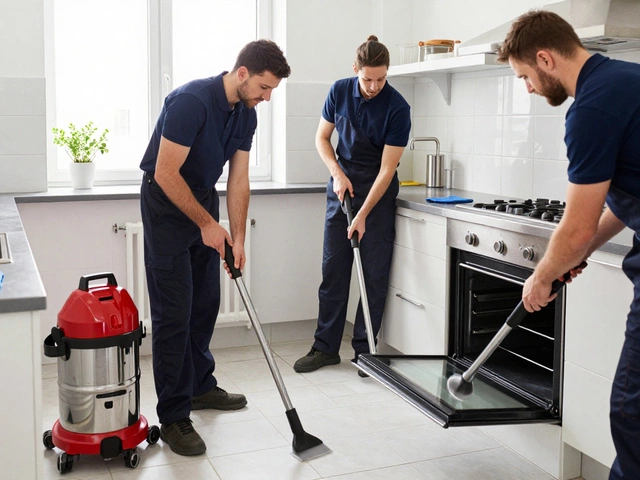
Pros work faster because they have systems. They know which chemical breaks down grease without damaging surfaces. They have industrial-grade vacuums that pull dust from deep within carpet fibers. They also carry insurance, meaning if something gets scratched or broken, you’re covered. DIY errors can be costly-like scratching a marble countertop with the wrong abrasive pad.
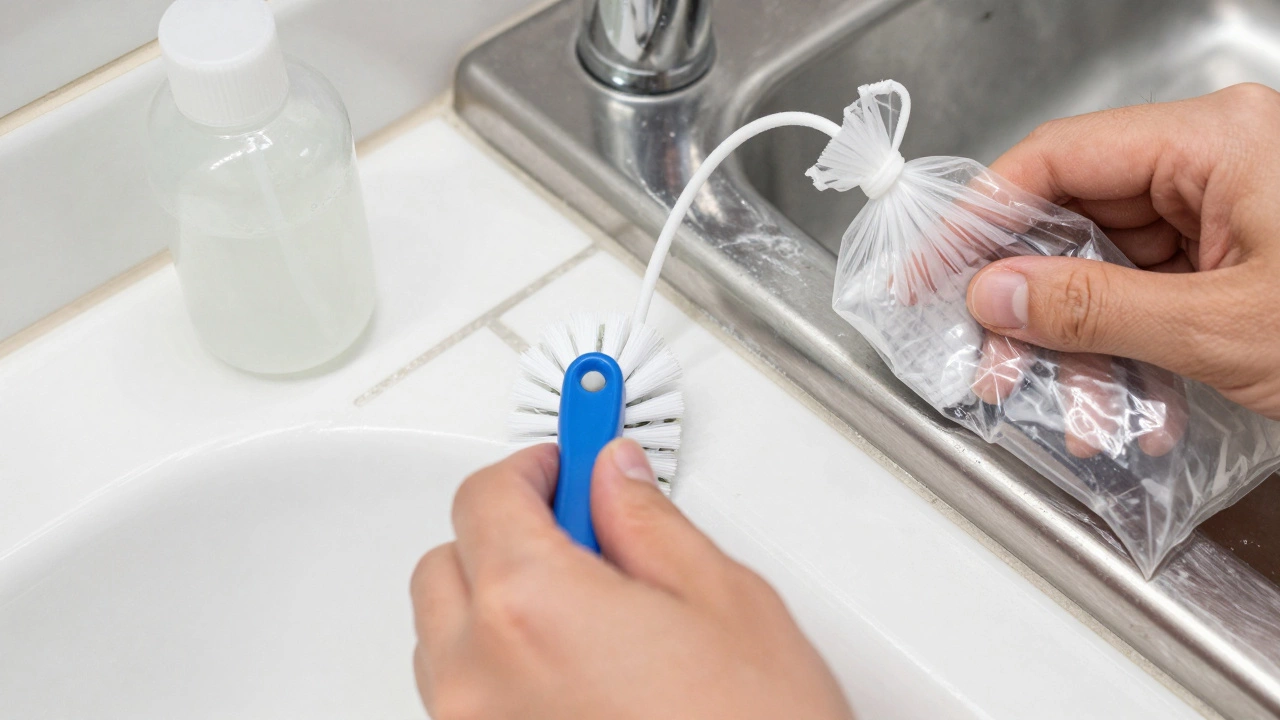
Let’s talk numbers. A typical three-bedroom, two-bathroom home deep clean by professionals ranges from $200 to $400 depending on your location and the level of filth. Some companies charge by the hour, others by the square footage. Always get a written quote.
For DIY, the initial investment in supplies might run $50-$100 if you buy quality products and tools. After that, you’re mostly spending on consumables like detergent and trash bags. However, you must factor in your time. If it takes you eight hours to deep clean your home, and you value your time at $25/hour, that’s $200 in lost earnings plus physical fatigue.
| Factor | DIY Deep Clean | Professional Service |
|---|---|---|
| Upfront Cost | $50 - $100 (supplies) | $200 - $400+ (service fee) |
| Time Required | 6 - 10 hours | 3 - 5 hours (they work faster) |
| Equipment | Basic household tools | Industrial vacuums, steamers, specialized chemicals |
| Physical Effort | High (you do the work) | Low (you supervise) |
| Consistency | Varies by mood and energy | Standardized checklist and training |
| Risk of Damage | Higher (user error) | Lower (insured professionals) |
Note that prices vary significantly by region. Urban centers like New York or San Francisco will command higher rates than rural areas. Also, check if the company uses eco-friendly cleaning products if you have sensitivities or environmental concerns. Green cleaning often costs a premium but reduces chemical exposure.
The secret to making deep cleaning less daunting is preventing the buildup in the first place. If you maintain a solid weekly routine, your seasonal deep cleans become refreshers rather than rescues.
Try the "15-minute rule." Every evening, spend fifteen minutes resetting your space. Wipe counters, sweep high-traffic floors, and load the dishwasher. This prevents grease from baking onto stovetops and dirt from embedding into rugs. Small habits compound. Over a month, those fifteen minutes save you hours of scrubbing later.
Also, rotate your deep cleaning tasks. Instead of doing the whole house every quarter, focus on one zone per month. January: Kitchen. February: Bathrooms. March: Living Rooms. April: Bedrooms and Closets. This keeps the workload manageable and ensures every part of your home gets attention regularly.
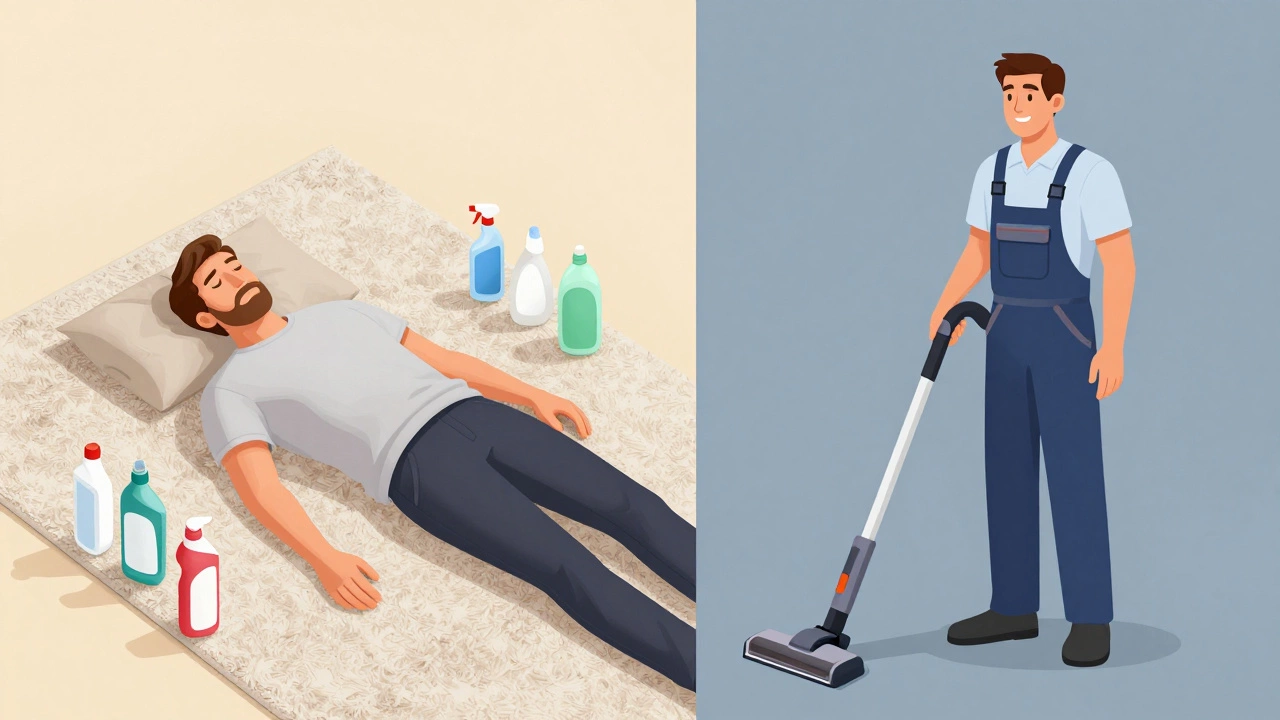
Even experienced cleaners make errors. Here are the top pitfalls to watch for:
So, can you deep clean at home? Yes. Should you? It depends on your resources. If you have time, energy, and a love for order, DIY gives you satisfaction and control. If you’re busy, tired, or detail-oriented but dislike the labor, outsourcing is a valid lifestyle choice. There’s no moral superiority in either option. The best home is a clean one, regardless of who did the scrubbing.
Start small. Pick one corner of your house today. Tackle it with intention. See how it feels. From there, you’ll know whether you want to build a cleaning empire or call in reinforcements.
For a DIYer, expect 6 to 10 hours depending on the condition of the home and your efficiency. Professionals typically complete the same job in 3 to 5 hours due to experience and better equipment. Breaking the task into multiple days is recommended for homeowners to avoid exhaustion.
It is worth it if you value your time highly, have physical limitations, or need a guaranteed standard for events or sales. Professionals also handle tough jobs like oven interiors and carpet shampooing more effectively. If you enjoy cleaning and have spare weekends, DIY saves significant money.
Focus on high-touch and high-grime areas: kitchens (appliances, cabinets, floors), bathrooms (showerheads, toilets, tiles), and living areas (carpets, upholstery, dust accumulation). These zones impact hygiene and air quality the most. Neglected spots like baseboards and light fixtures should also be addressed quarterly.
Yes, many eco-friendly cleaners are effective for deep cleaning. Vinegar, baking soda, and castile soap work well for general grime. For heavy grease or sanitization, look for certified green products labeled EPA Safer Choice. They may require more scrubbing time than harsh chemicals but are safer for families and pets.
Most homes benefit from a full deep clean twice a year, often aligned with spring and fall seasons. Homes with pets, young children, or smokers may need quarterly deep cleans. High-traffic areas like entryways and kitchens might require monthly intensive attention even if the rest of the house is maintained weekly.