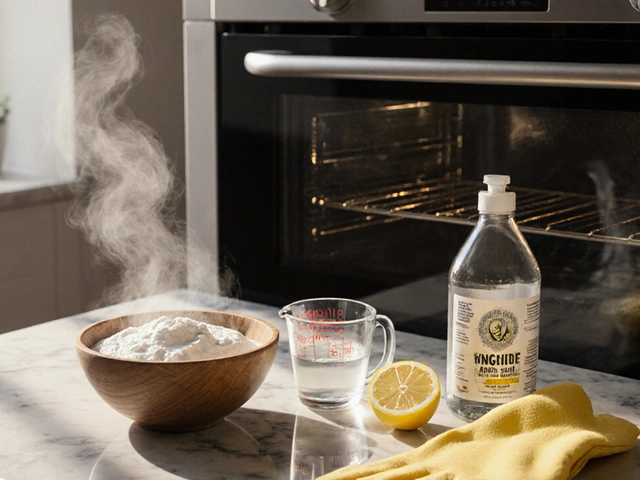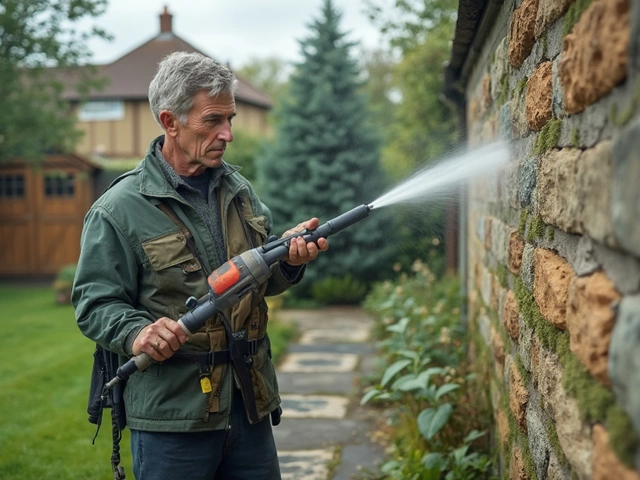
Explanation goes here.
Scientific explanation.
Grabbing your pressure washer and hitting the 'on' switch feels like you’re ready to tackle any mess. But here is the question that trips up most homeowners: do you actually need soap, or can high-pressure water do the job all by itself? The short answer is yes, but with a big asterisk. It depends entirely on what you are trying to clean and how dirty it really is.
Many people buy these machines thinking they are magic erasers for concrete. They aren't. A pressure washer is essentially a very powerful hose nozzle. If you have loose dirt, pollen, or mild dust on your driveway, water alone might be enough. But if you are staring at black mold, years of grease stains, or green algae, water by itself will likely leave you frustrated and staring at the same stain you started with.
To understand why water sometimes works and other times fails, you have to look at how pressure washing actually removes dirt. It’s not just about blasting things away; it’s about breaking bonds. Dirt sticks to surfaces through mechanical adhesion (it’s wedged in there) or chemical adhesion (it’s bonded to the surface).
When you use pressure washing with just water, you are relying purely on kinetic energy. The force of the water jet physically knocks particles off the surface. This works great for:
However, organic growths like moss, algae, and mold have root structures that penetrate microscopic pores in concrete and wood. Water pressure can strip the top layer, making the surface look cleaner for a week, but the roots remain. Within days, the discoloration returns. Similarly, oil and grease are hydrophobic-they repel water. No amount of PSI (pounds per square inch) will dissolve an oil spot without a degreaser or hot water to break down the molecular bonds.
There are specific scenarios where adding detergent is unnecessary, wasteful, or even harmful. Knowing when to skip the soap saves time and protects your property.
| Surface Type | Contaminant | Why Water Works |
|---|---|---|
| New Concrete Driveway | Cement splatter / Dust | Surface contaminants haven't penetrated deep pores yet. |
| Vinyl Siding | Pollen / Light Dust | Vinyl is non-porous; dirt sits on top and washes away easily. |
| Metal Fence | Rust flakes / Mud | Loose particles detach under high velocity impact. |
| Deck (Maintenance) | Surface Grime | If cleaned annually, grime doesn't build up enough to require chemicals. |
Another critical factor is environmental compliance. In many municipalities, runoff containing soaps and detergents is regulated because it can harm local waterways and kill nearby vegetation. Using plain water eliminates this risk entirely. If you are cleaning near a garden bed or a storm drain, water-only cleaning is often the safest legal choice.
Let’s talk about the stuff that makes you want to throw your machine across the yard. Oil stains, tire marks, heavy mold, and bird droppings are chemical problems, not physical ones.
If you blast an oil stain with cold water, you are essentially spreading the oil into the surrounding pores of the concrete. The stain might get wider and fainter, but it won’t disappear. To remove oil, you need a solvent or a surfactant (soap) to lift the oil from the concrete so the water can carry it away. Without that chemical reaction, the water just rolls right over the grease.
Mold and mildew are trickier. These organisms produce acids that etch into surfaces. While high pressure can remove the visible biomass, it often leaves behind a shadow stain caused by the acid damage. Furthermore, disturbing mold spores with dry pressure washing can release them into the air, creating a health hazard. In these cases, a pre-treatment with a biocide or oxygen bleach is necessary before you ever touch the trigger.
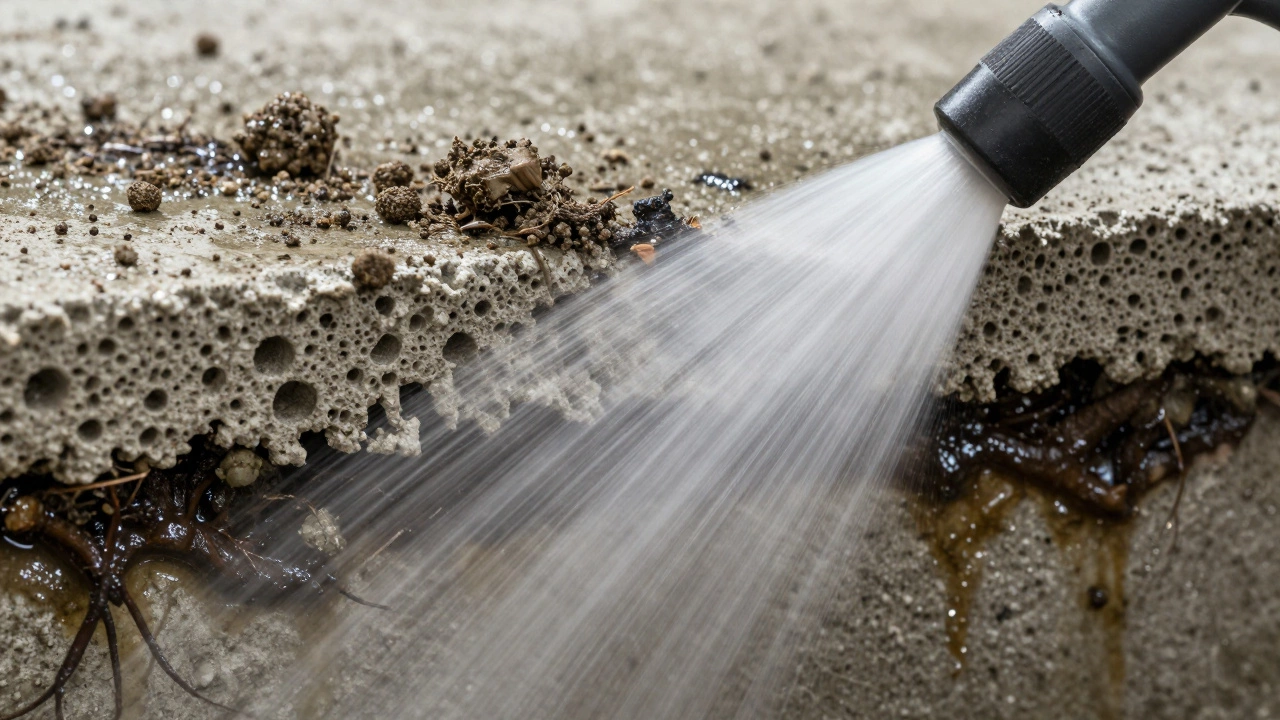
Here is a nuance many beginners miss: "just water" isn't always the same as "cold water." The temperature of the water dramatically changes its cleaning power.
Hot water pressure washers are significantly more effective than cold water units, even without soap. Heat reduces the viscosity of oils and greases, causing them to melt and flow away rather than sticking to the surface. For example, a restaurant kitchen floor covered in cooking grease might come clean with 180°F (82°C) water alone, whereas cold water would require a heavy-duty degreaser.
However, hot water machines are expensive, heavier, and require more maintenance. For typical residential use-driveways, decks, and siding-a standard cold water electric or gas pressure washer is sufficient, provided you add detergent for tough jobs. If you find yourself constantly struggling with grease or sap, consider renting a hot water unit for the day rather than buying one.
If you decide to go the water-only route, your technique becomes your primary tool. You cannot rely on chemistry to do half the work, so you must maximize physics.
In 2026, environmental awareness is higher than ever. Many homeowners are switching to water-only methods to reduce their chemical footprint. This is a valid and responsible approach, especially for large areas like long driveways or extensive siding.
However, "green" doesn't always mean "effective." If you skip the soap and fail to remove mold or bacteria, you might end up re-cleaning the surface sooner, which uses more water overall. Efficiency is part of sustainability. Using a small amount of biodegradable, plant-based detergent can often achieve a better result with less total water usage than blasting the same spot repeatedly with plain water.
Check your local regulations. Some cities prohibit any runoff from entering storm drains, regardless of whether soap was used. In those cases, you may need to contain the water or direct it to a sanitary sewer connection. Always verify local codes before starting a major project.
Yes, for light maintenance. If your siding is vinyl or aluminum and only has dust or pollen, water alone is sufficient. However, if you see black streaks (algae) or green spots (moss), you will need a mild detergent or oxygen bleach to kill the organisms. Water alone will only remove the surface layer, and the growth will return quickly.
No. Cold water cannot dissolve oil or grease. High pressure might spread the stain thinner, making it look lighter, but it will not remove it. You need a degreaser or a hot water pressure washer to break down the hydrocarbon bonds in oil stains.
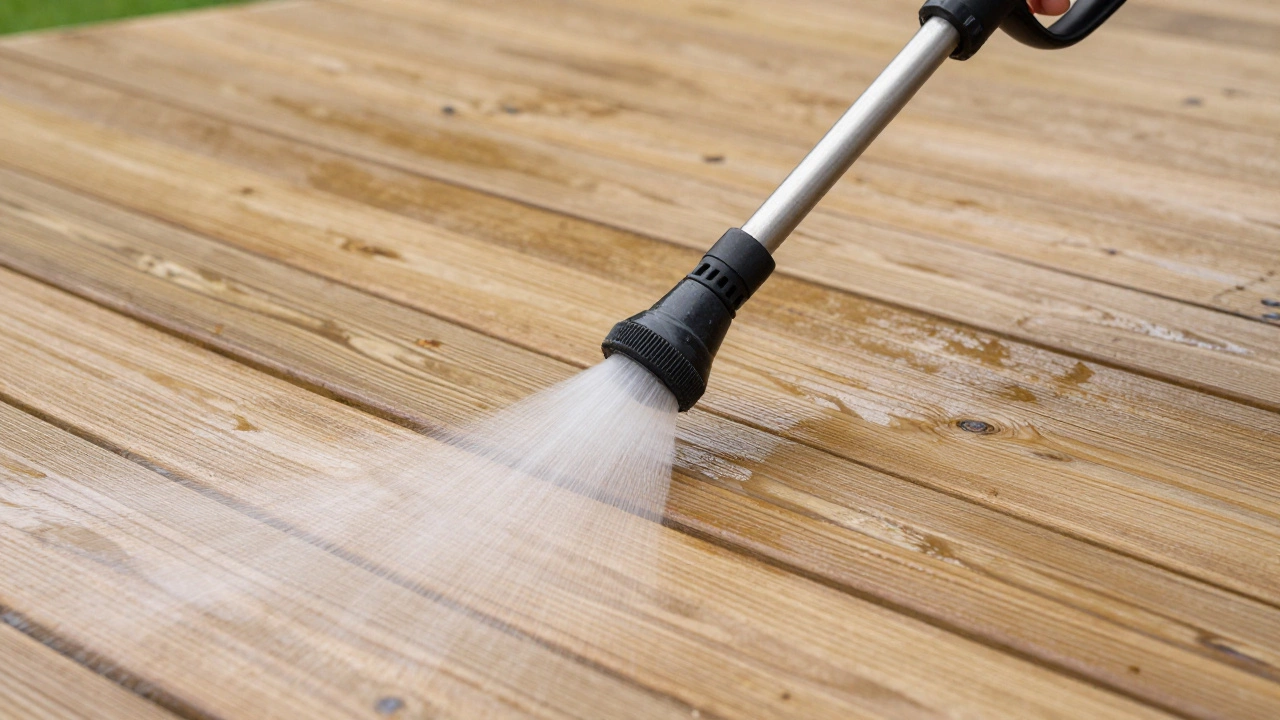
It can be risky. Wood is soft and porous. High-pressure water can raise the grain, making the deck feel rough like sandpaper. If you must use water only, keep the pressure below 1200 PSI and use a wide fan tip. For best results, use a wood brightener or oxalic acid solution to clean without damaging the fibers.
No. Pressure washing physically removes mold spores from the surface, but it does not kill the roots embedded in the material. To truly kill mold, you need a biocidal agent like bleach, vinegar, or specialized mold removers. Without killing the organism, mold will regrow within weeks.
For concrete, you can use 3000+ PSI. For brick or stone, stay between 2000-2500 PSI. For wood or painted surfaces, keep it under 1500 PSI to avoid damage. Since you don't have chemicals to help break down dirt, you may need slightly higher pressure, but never sacrifice surface integrity for speed.