Select the factors that apply to your current situation to get a personalized recommendation.
You have a stain on your living room rug, or maybe it’s just time for a deep clean to remove the dust bunnies and pet dander that have settled in over the winter. You call two local pros, and they both offer great service. But one uses Stanley Steemer, a brand famous for its red trucks and heavy-duty steam machines, while the other recommends Chem-Dry, which prides itself on using less water and natural solutions.
So, which one actually gets your carpets cleaner? And more importantly, which one won’t leave your floor wet for three days or cause mold to grow underneath?
The answer isn’t as simple as picking the bigger name. It comes down to the method they use, how much you’re willing to pay, and what kind of carpet fibers you have at home. Let’s break down the real differences between these two giants so you can make a choice that saves you money and keeps your floors healthy.
To understand why these companies charge different prices and deliver different results, you first need to look at their equipment. They are not just swapping out soap brands; they are using fundamentally different physics to clean your rugs.
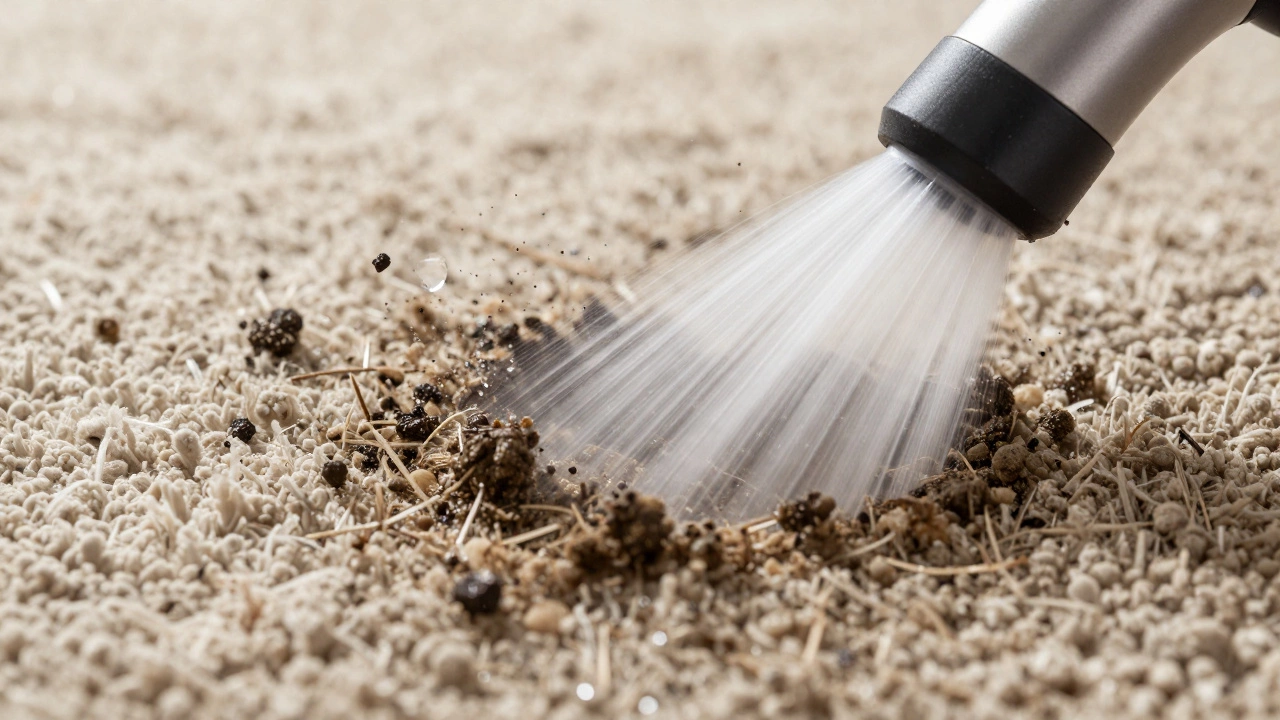
Stanley Steemer is the poster child for hot water extraction, often mistakenly called "steam cleaning." In reality, no steam is used. Instead, they inject a mixture of hot water and cleaning solution deep into the carpet pile under high pressure. Then, powerful vacuums suck the dirty water back out. This method is incredibly effective at blasting away ground-in dirt because the heat and volume of water loosen the grime physically.
Chem-Dry, on the other hand, uses a low-moisture cleaning process. Their signature product, The Power of Green, is a carbonated cleaning solution that bubbles up to lift dirt from the surface of the fibers. Because they use significantly less water-often 80% less than traditional methods-the carpets dry much faster. Think of it like the difference between soaking a sponge until it’s dripping wet versus wiping it down with a damp cloth. Both get it clean, but the drying time is vastly different.
If you have kids running around barefoot or pets who track mud inside, drying time is probably your biggest concern. Nobody wants to walk on squishy carpet for 24 hours.
With Stanley Steemer, you should expect your carpets to take anywhere from 6 to 12 hours to dry completely, depending on humidity and airflow. If you live in a humid climate like Florida or New Orleans, this could stretch to 24 hours. During this window, you’ll need to keep furniture off the rugs and ensure windows are open or fans are running. If the carpet stays wet too long, there is a genuine risk of wicking (where dirt rises back to the surface as the water evaporates) or even mold growth if the padding underneath doesn’t dry properly.
Chem-Dry’s low-moisture approach means your carpets are usually dry in 1 to 3 hours. You can often walk on them within an hour. This speed is a major selling point for busy families or office buildings that can’t afford downtime. However, some critics argue that because there’s less water, the deep-down soil might not be flushed out as thoroughly as it would be with a full saturation rinse.
Let’s talk about the actual dirt. What works best depends on what you’re trying to remove.
If your carpets are caked with years of tracked-in mud, sand, and heavy particulate matter, Hot Water Extraction (Stanley Steemer’s method) generally wins. The sheer force of the hot water injection acts like a power washer for your floors. It lifts the grit out of the base of the fibers where vacuuming never reaches. For heavily soiled commercial spaces or homes with multiple large dogs, this brute-force approach is often necessary to restore the original texture of the carpet.
However, for everyday maintenance, wine spills, coffee stains, and general household dust, Chem-Dry performs exceptionally well. Their carbonated solution breaks down organic stains effectively without leaving behind a sticky residue. One common complaint about traditional steam cleaning is that if the technician doesn’t rinse enough, the leftover soap attracts new dirt quickly-a phenomenon known as rapid re-soiling. Chem-Dry’s formula is designed to leave minimal residue, meaning your carpets may stay cleaner for longer between professional cleanings.
| Feature | Stanley Steemer | Chem-Dry |
|---|---|---|
| Cleaning Method | Hot Water Extraction | Low Moisture / Carbonated Solution |
| Drying Time | 6-12+ Hours | 1-3 Hours |
| Best For | Deep soil, heavy traffic areas | Quick turnaround, stain removal |
| Water Usage | High | Low (80% less) |
| Mold Risk | Higher if ventilation is poor | Lower due to quick drying |
Price is always a factor. Generally speaking, Stanley Steemer tends to be slightly more expensive per square foot than Chem-Dry, though this varies wildly by region and franchise owner. Stanley Steemer often bundles services, offering discounts if you also clean your upholstery or air ducts. They also frequently run promotions during spring cleaning season.
Chem-Dry positions itself as a premium eco-friendly option. While their base price might be competitive, add-ons like deodorizers or protectants can increase the bill. However, consider the value of time. If you don’t have to close off rooms for a day, does the slight price difference matter? For many homeowners, the convenience of same-day usability outweighs saving $20-$50 on the invoice.
Keep in mind that both are franchises. This means the quality of service depends heavily on the individual technician assigned to your job. A skilled Chem-Dry tech will do a better job than a rushed Stanley Steemer employee, and vice versa. Always check recent local reviews rather than relying solely on national brand reputation.
If you have asthma, allergies, or young children, the chemicals used matter. Chem-Dry markets itself aggressively on this front. Their Power of Green solution is derived from plant-based ingredients and is certified green by EcoLogo. It contains no harsh solvents or synthetic fragrances. For sensitive households, this is a significant advantage. The lower moisture content also reduces the chance of musty odors developing after cleaning.
Stanley Steemer has improved its formulations over the years, offering non-toxic options, but their standard process relies more on the mechanical action of hot water and detergents that can sometimes include synthetic agents. While safe when used correctly, the heavier chemical load combined with wet carpets can occasionally trigger sensitivities in very reactive individuals. If you choose Stanley Steemer, ask specifically for their "green" cleaning package to minimize chemical exposure.

Both companies offer satisfaction guarantees, but the details differ. Stanley Steemer typically offers a money-back guarantee if you’re not satisfied with the cleanliness. They also provide warranties against certain stains for a period if you purchase their protective treatments. However, these warranties often come with strict requirements about vacuuming frequency and immediate spill cleanup.
Chem-Dry also stands behind their work with a satisfaction guarantee. Because their method leaves less residue, they argue that their cleaning lasts longer. Some locations offer a warranty that covers specific stains for up to a year, provided you maintain the carpet properly. Read the fine print on any warranty; most will void coverage if you use a DIY shampooer afterwards, as the wrong chemicals can react with their treatment.
Here is the bottom line. If your carpets are extremely dirty, haven’t been cleaned in years, or you live in a home with heavy foot traffic and lots of pets, go with Stanley Steemer. The hot water extraction will dig deeper and remove more embedded soil. Just be prepared to wait a day for everything to dry.
If you want a quick refresh, have allergy concerns, need the rooms usable by dinner time, or prefer eco-friendly products, choose Chem-Dry. It’s gentler on the fibers, dries fast, and leaves a fresh scent without the chemical heaviness.
Ultimately, the "best" company is the one with the most experienced technician in your zip code. Call both, ask about their current pricing, and read the last 10 reviews on Google for each local franchise. Your carpet will thank you either way.
No, despite the common misconception, Stanley Steemer does not use steam. They use hot water extraction, which involves injecting hot water and cleaning solution into the carpet and then vacuuming it out. True steam cleaning requires temperatures that would damage most residential carpets.
Yes, Chem-Dry is widely considered safe for pets. Their primary cleaning solution, The Power of Green, is made from naturally occurring ingredients and is free of harsh chemicals and synthetic fragrances. It is also hypoallergenic, making it a good choice for homes with animals.
Typically, carpets take 6 to 12 hours to dry after a Stanley Steemer cleaning. In conditions of high humidity or poor ventilation, it can take up to 24 hours. Using fans and opening windows can help speed up the process.
Chem-Dry charges a premium for their specialized low-moisture technology and eco-friendly proprietary solutions. Additionally, as a national franchise, their overhead costs are higher than independent local operators. The price reflects the speed of drying and the reduced risk of mold or mildew.
It is best to wait until the carpets are completely dry before vacuuming. Vacuuming damp carpets can pull moisture back into the padding, leading to slower drying times and potential mold issues. Once dry, regular vacuuming helps maintain the cleanliness achieved by the professional service.