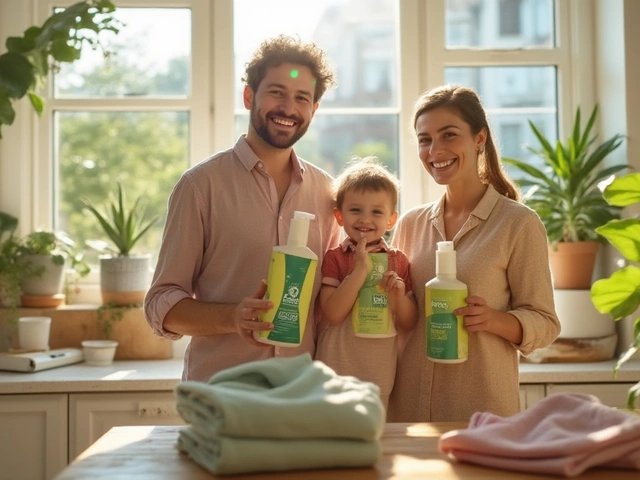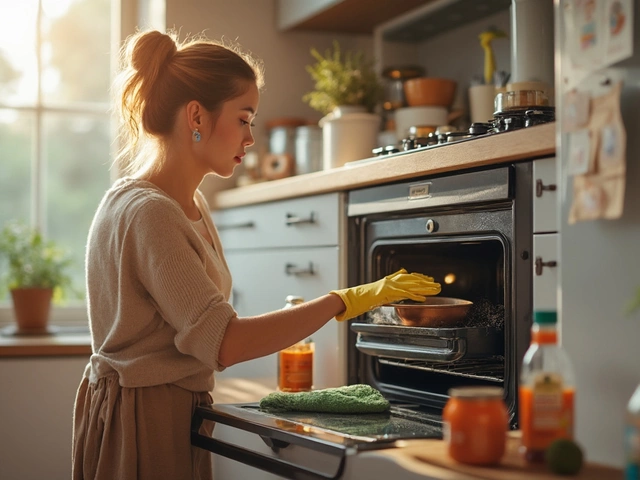
Description of the result goes here.
You scrub the same stain twice. Once with a harsh chemical spray that smells like a chemistry lab, and once with a bottle of plant-based cleaner. You expect the first one to win. But when you look at the results, they’re identical. This is the moment most people start questioning whether non-toxic cleaners are just a marketing gimmick or if they actually hold their own against traditional industrial chemicals.
The short answer is yes, they work. But the long answer requires understanding what "cleaning" actually means on a molecular level. For years, we’ve been sold the idea that if it doesn’t burn your eyes or smell like chlorine, it isn’t doing anything. That logic is flawed. Modern eco-friendly formulations have caught up, and in many cases, surpassed their toxic counterparts in effectiveness, especially for everyday household messes.
To understand why non-toxic options work, you have to look past the label and look at the mechanics. Cleaning relies on three main forces: mechanical action (scrubbing), time (letting it sit), and chemistry (surfactants).
Traditional cleaners often rely on volatile organic compounds (VOCs) and strong acids or alkalis to break down dirt instantly. They attack the grime aggressively. Non-toxic cleaners, however, typically use surfactants derived from coconut oil, corn, or sugar cane. These molecules have two ends: one loves water, and one loves grease. When you apply them, they lift the dirt off the surface and suspend it in water so it can be wiped away. The process is gentler, but it is physically identical to how soap has worked for centuries.
The difference lies in speed and residue. Harsh chemicals might dissolve grease faster, but they often leave behind invisible residues that attract more dirt later. Plant-based surfactants rinse away cleanly, leaving surfaces truly bare. If you are dealing with light to medium soil-kitchen counters, bathroom tiles, glass, and floors-non-toxic cleaners perform just as well, provided you give them a minute to do their job.
Let’s look at the heavy hitters in the eco-friendly world. You won’t find phosphates or chlorine bleach here. Instead, you’ll see specific biological agents that target dirt without destroying your lungs.
These ingredients don’t just clean; they address the root cause of many household issues. For example, mold grows because of moisture and organic food sources. Bleach kills the visible mold but can leave the roots intact if not applied correctly. Enzyme-based cleaners, another staple of non-toxic cleaning, digest the organic matter that mold feeds on, preventing regrowth more effectively than simple surface sterilization.
It is important to be realistic. Non-toxic cleaners are not magic wands. There are scenarios where traditional chemicals still dominate, usually involving deep-set biological hazards or extreme industrial grime. However, even these gaps are narrowing.
| Cleaning Task | Traditional Chemical Performance | Non-Toxic Performance | Verdict |
|---|---|---|---|
| Daily Kitchen Grease | Excellent (Instant) | Very Good (Requires 5-min dwell time) | Tie |
| Bathroom Limescale | Excellent (Harsh acids) | Good (Citric acid needs soaking) | Non-toxic wins on safety |
| Mold Removal | Excellent (Bleach kills surface) | Good (Enzymes digest roots) | Non-toxic wins on prevention |
| Disinfecting Viruses | Excellent (Hospital grade) | Moderate (Plant-based sanitizers) | Traditional wins for high-risk zones |
| Glass & Mirrors | Good (Ammonia-based) | Excellent (Vinegar/Alcohol blends) | Non-toxic wins on clarity |
If you are trying to sanitize a kitchen after handling raw chicken, a hospital-grade quaternary ammonium compound might be overkill for most homes, but a plant-based sanitizer with thyme extract or eucalyptus oil can achieve similar bacterial reduction rates without the respiratory irritation. The key is managing expectations. If you want instant results, you need heat, agitation, or harsh chemicals. If you are willing to let the product sit for five minutes, non-toxic cleaners will break down almost any household stain.
Why switch if the old stuff works fast? Consider the environment outside the bottle. Traditional cleaners contribute significantly to indoor air pollution. The EPA estimates that indoor air can be two to five times more polluted than outdoor air, largely due to VOCs from cleaning products. These compounds trigger asthma attacks, headaches, and long-term respiratory issues.
Then there is the water system. When you flush bleach and phosphates down the drain, they travel to wastewater treatment plants. Many of these facilities cannot fully remove all synthetic chemicals before releasing water back into rivers and oceans. Phosphates, for instance, cause algal blooms that kill fish by depleting oxygen in the water. Non-toxic cleaners are biodegradable. They break down into harmless substances naturally, protecting aquatic life and reducing the burden on water treatment infrastructure.
In Brighton, where coastal ecosystems are sensitive, this matters. Choosing a detergent that breaks down safely ensures that the water washing over our shores remains healthy for marine life. It is a small individual action, but collectively, it reduces the chemical load on our local environment significantly.
A common question is whether you should mix your own cleaners or buy pre-made eco-friendly brands. Both have merits.
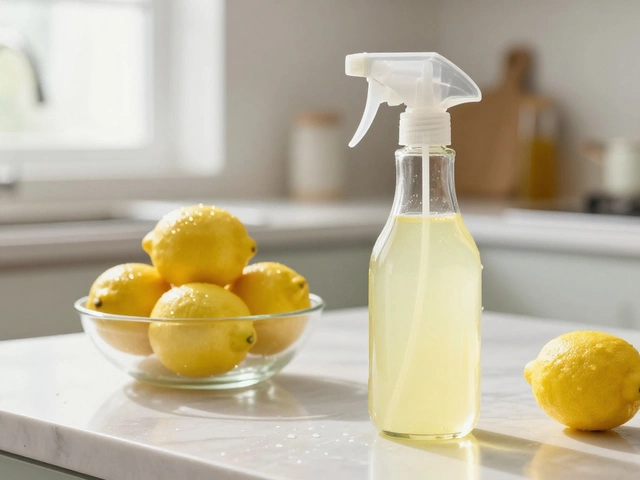
DIY Mixes: Making a simple spray with vinegar, water, and essential oils is cheap and effective for general dusting and glass cleaning. Baking soda paste works wonders for sinks. However, DIY lacks standardization. You don’t know the exact concentration of active ingredients. Also, mixing vinegar and hydrogen peroxide in the same bottle creates peracetic acid, which is irritating to skin and eyes. Stick to simple recipes.
Store-Bought Brands: Reputable eco-brands undergo rigorous testing. They ensure the right balance of surfactants for different tasks. A dedicated oven cleaner from a green brand will likely contain stronger enzymes and solvents than a DIY baking soda paste, making it safer and more effective for heavy grease. Look for certifications like EWG Verified or Ecocert, which guarantee that the product contains no hidden toxic fillers.
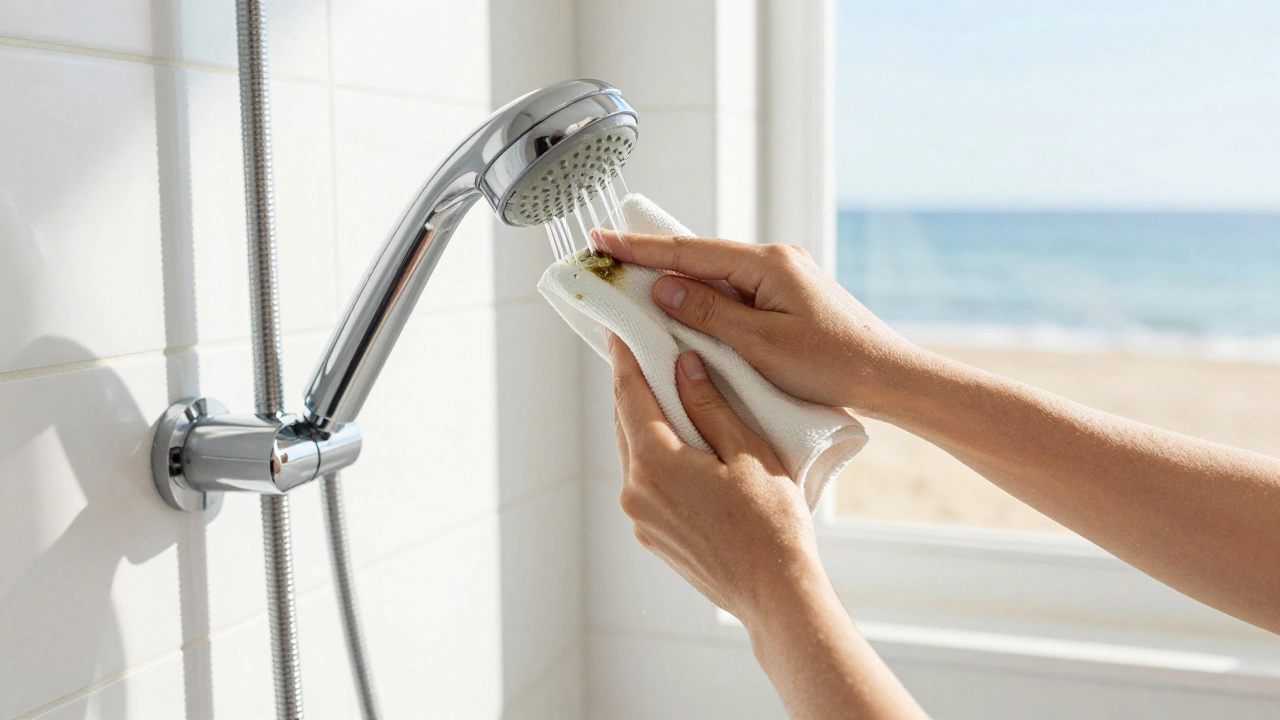
To get the best results from non-toxic cleaners, adjust your technique slightly. You are trading brute force for precision.
Yes, generally speaking. Most plant-based cleaners are non-toxic to dogs and cats. However, some essential oils, particularly tea tree, peppermint, and pine, can be harmful to pets if ingested or absorbed through the skin in large quantities. Always check the label for pet-safe warnings and ensure surfaces are dry before letting pets walk on them.
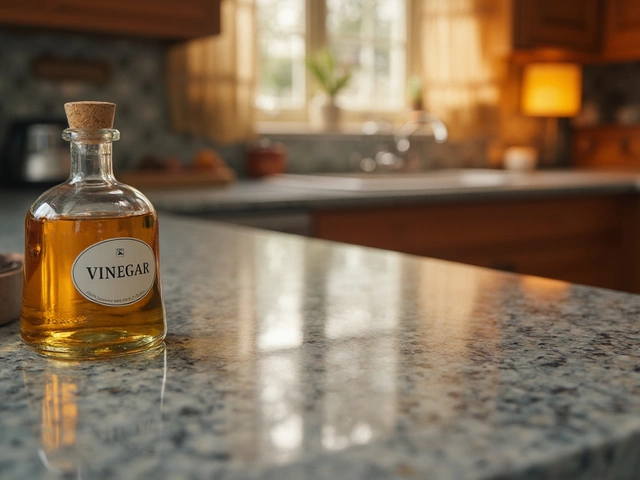
No. Vinegar is acidic and can etch natural stone surfaces like granite and marble over time, dulling their shine. For stone countertops, use a pH-neutral cleaner specifically designed for stone, or simply warm water with a drop of mild dish soap.
Yes. Because they lack strong synthetic preservatives, plant-based cleaners have a shorter shelf life, typically 12 to 24 months. Essential oils can also oxidize over time, losing their potency and scent. Check the bottom of the bottle for a manufacturing date and store them in a cool, dark place to extend their life.
Absolutely. Many brands use terms like "natural," "eco-friendly," or "green" without meeting strict standards. To avoid being misled, look for third-party certifications such as EWG Verified, Green Seal, or Ecocert. These organizations verify that the product meets specific criteria for toxicity, biodegradability, and packaging sustainability.
Many plant-based sanitizers are registered disinfectants that kill 99.9% of common bacteria and viruses. Look for products containing ethanol, lactic acid, or specific essential oil blends like thyme and eucalyptus. Ensure you follow the contact time instructions on the label, usually 5-10 minutes, to allow the disinfectant to work properly.