Waking up to the smell of ammonia is never pleasant. Whether it’s an accident involving a toddler, an elderly relative, or just a clumsy spill during a medical emergency, the immediate question is always the same: Is my mattress ruined? The short answer is no. A mattress is a large, padded bedding support designed for sleeping, typically consisting of layers of foam, springs, and fabric covers. It is durable enough to handle accidents, provided you act quickly. However, if you ignore the problem, that temporary mess can turn into a permanent structural and olfactory nightmare.
The real danger isn't the liquid itself; it's what happens when urine dries inside the deep layers of your bed. Urine contains urea, which bacteria break down into ammonia. This process creates that distinct, sharp odor that seems to vanish only to return stronger when the room gets warm. Without proper treatment, these residues can also lead to mold growth and skin irritation. Let’s look at exactly how to save your mattress and eliminate the smell for good.
You have a narrow window to prevent permanent damage. When fresh urine hits the surface, it sits mostly in the top layer of the cover or the very top inch of foam. At this stage, it is easy to blot out. Once it penetrates deeper-into the pocket springs or the dense support core-it becomes much harder to extract.
If the urine has been there for more than 24 hours, the situation changes. The moisture has evaporated, leaving behind crystallized uric acid salts. These salts are not water-soluble in their dried state, meaning plain water won’t remove them. They reactivate with humidity, releasing the odor repeatedly. So, speed is your best friend here. If you catch it within minutes, you’re looking at a simple cleanup. If it’s been days, you need a chemical reaction to break those bonds down.
If the accident just happened, follow these steps immediately. Do not rub the spot; rubbing pushes the liquid deeper into the fibers. Instead, use a dabbing motion.
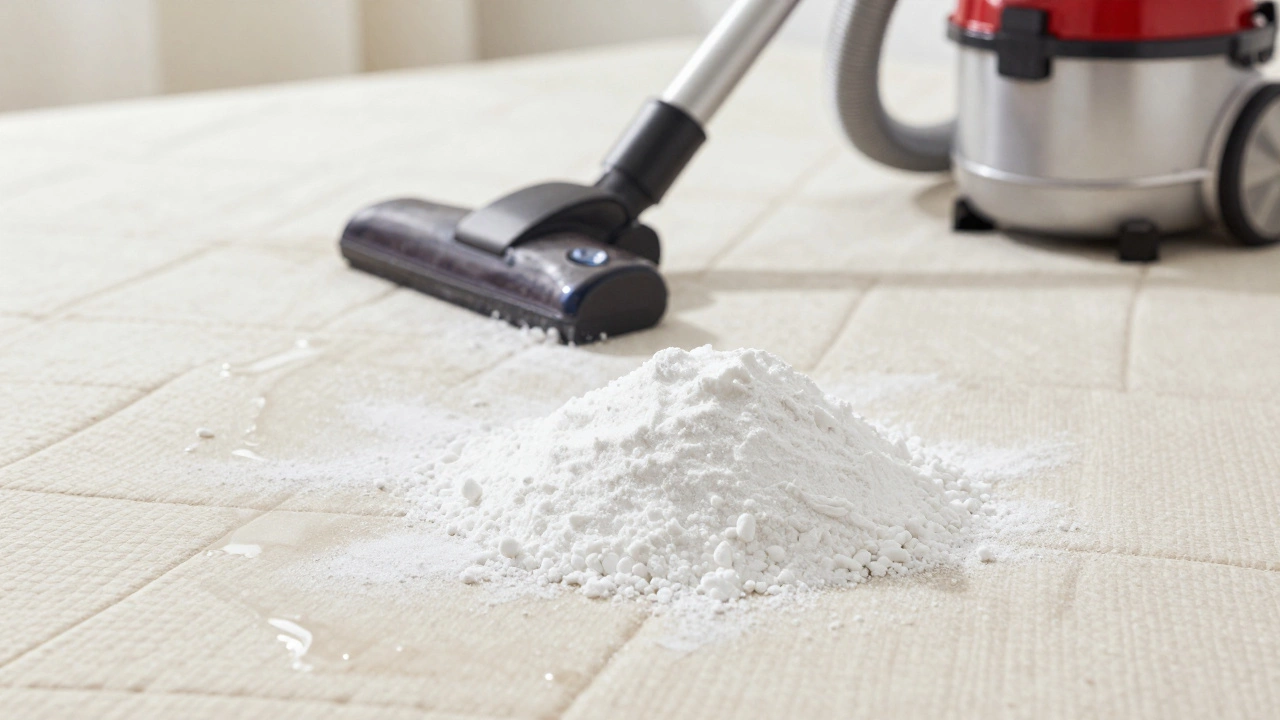
If the smell has been lingering for weeks or months, vinegar alone might not cut it. You need an enzyme cleaner. Enzyme cleaners are biological cleaning agents containing live bacteria or enzymes that digest organic matter like proteins and fats found in bodily fluids. Unlike bleach or standard detergents, enzymes actually eat the uric acid crystals that cause the odor.
Here is how to use them effectively:
A common mistake people make is mixing enzyme cleaners with other chemicals. Never mix enzymes with bleach or hydrogen peroxide. Bleach kills the beneficial bacteria in the enzyme cleaner, rendering it useless. It can also create toxic fumes if mixed with ammonia present in old urine.
In the panic of cleaning up, it’s easy to reach for the wrong tools. Here are three things you should avoid to prevent making the problem worse.
Avoid steam cleaners initially. While steam cleaning is great for sanitizing, the high heat can coagulate the proteins in urine, setting the stain permanently. Only use steam after you have treated the area with an enzyme cleaner and ensured the residue is gone.
Don’t use harsh abrasives. Scrubbing with stiff brushes can damage the fabric cover of the mattress, creating tiny tears where dirt and bacteria can hide later. Stick to soft cloths and gentle pressure.
Steer clear of strong perfumes. Spraying air freshener or cologne over the smell does not remove the odor; it just masks it temporarily. When the masking scent fades, the ammonia smell returns, often mixed with the cloying sweetness of the perfume, creating an even worse experience.
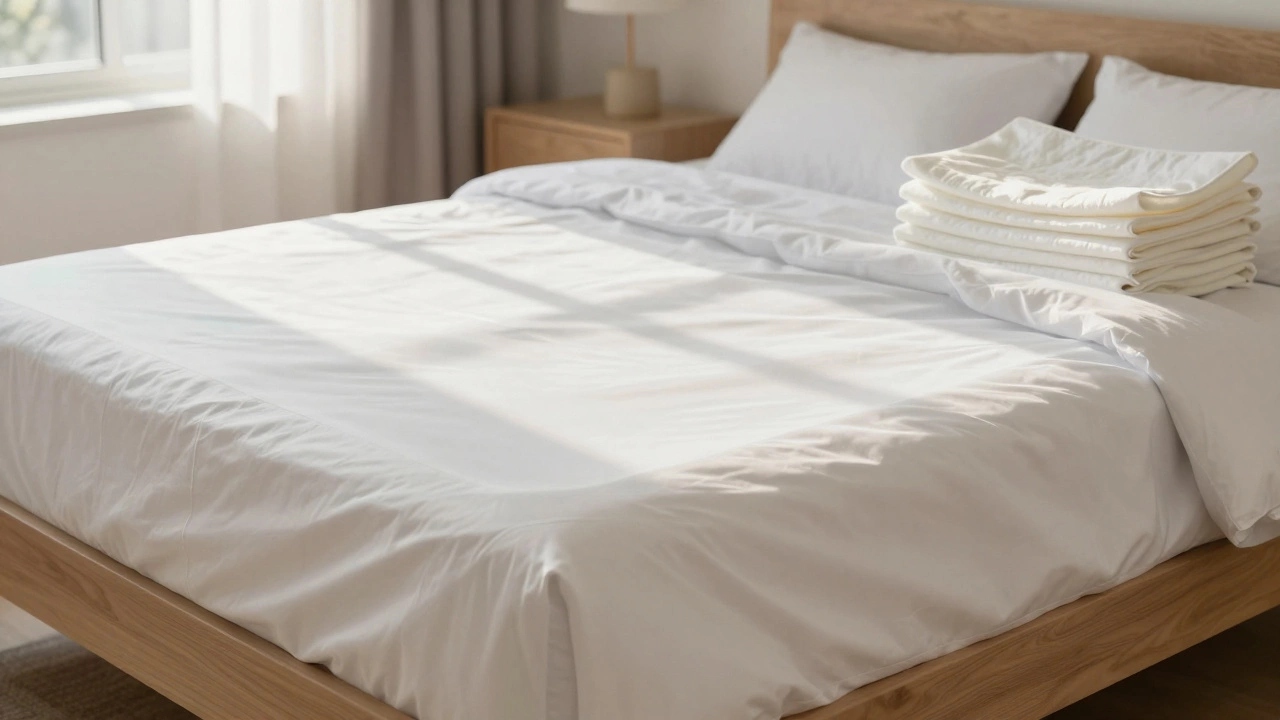
Once your mattress is clean and dry, consider protecting it. A waterproof mattress protector is inexpensive insurance against future mishaps. Modern protectors are breathable and quiet, so they don’t compromise sleep quality. They create a barrier that prevents liquids from reaching the foam or springs, allowing you to simply wipe the surface clean.
If you are dealing with frequent accidents due to health issues, look into washable bed pads or chux pads placed over the sheets. These are designed to be thrown in the washing machine after each use, keeping your main bedding and mattress hygienic with minimal effort.
| Method | Best For | Effectiveness | Risk Level |
|---|---|---|---|
| Vinegar & Water | Fresh spills (under 24 hours) | High for odor neutralization | Low |
| Enzyme Cleaner | Old stains & persistent odors | Very High (breaks down uric acid) | Low (if used correctly) |
| Bleach | Disinfecting surfaces (not recommended for mattresses) | Low for odor, High for sanitation | High (can damage materials & release fumes) |
| Steam Cleaning | Final sanitization after cleaning | Medium (heat can set stains if done early) | Medium |
Sometimes, DIY methods aren’t enough. If the urine has soaked through to the box spring or the foundation, or if the mattress is particularly thick and plush, the contamination may be too deep for home treatments. In these cases, hiring a professional mattress cleaning service is worth the investment. Professionals use industrial-grade extraction machines and specialized enzymatic treatments that can penetrate deeper than household vacuums and sprays.
Additionally, if the mattress is older than seven years and has multiple layers of accumulated grime, cleaning might not restore its hygiene standards. In such scenarios, replacing the mattress might be the healthier option for your long-term well-being.
Yes, but with caution. Hydrogen peroxide is effective at breaking down organic stains and killing bacteria. However, it can act as a mild bleaching agent. Always test a small, inconspicuous area first to ensure it doesn't discolor the fabric. Mix it with a little dish soap and baking soda for a paste, apply it, let it sit for 10 minutes, then blot and rinse lightly.
If the odor persists, the urine has likely penetrated deeper into the foam or springs than your cleaning method reached. Standard cleaners only treat the surface. You need an enzyme cleaner that can seep deep into the material to digest the uric acid crystals. Alternatively, the mattress may be too saturated to recover, indicating a need for professional extraction or replacement.
It depends on the size of the spill and the ventilation in the room. A small spot might dry in a few hours, but larger amounts can take 24 to 48 hours to fully evaporate from the core. Using fans and opening windows speeds up the process. Ensure the mattress is completely dry before putting sheets back on to prevent mold growth.
It is not advisable. Even if you can't smell it strongly, dried urine residues contain bacteria and allergens that can trigger respiratory issues, skin irritations, or allergies. Over time, the accumulation of these biological wastes degrades the hygiene of your sleeping environment. It’s best to clean it thoroughly or replace the mattress if it’s heavily contaminated.
No, you cannot wash a full-sized mattress in a washing machine. They are too large and heavy, and the agitation would destroy the internal structure. However, you can remove the removable cover if your mattress has one and wash it according to the manufacturer's instructions. The mattress body itself must be cleaned spot-by-spot.