Environmental Impact of Bleach: What You Need to Know
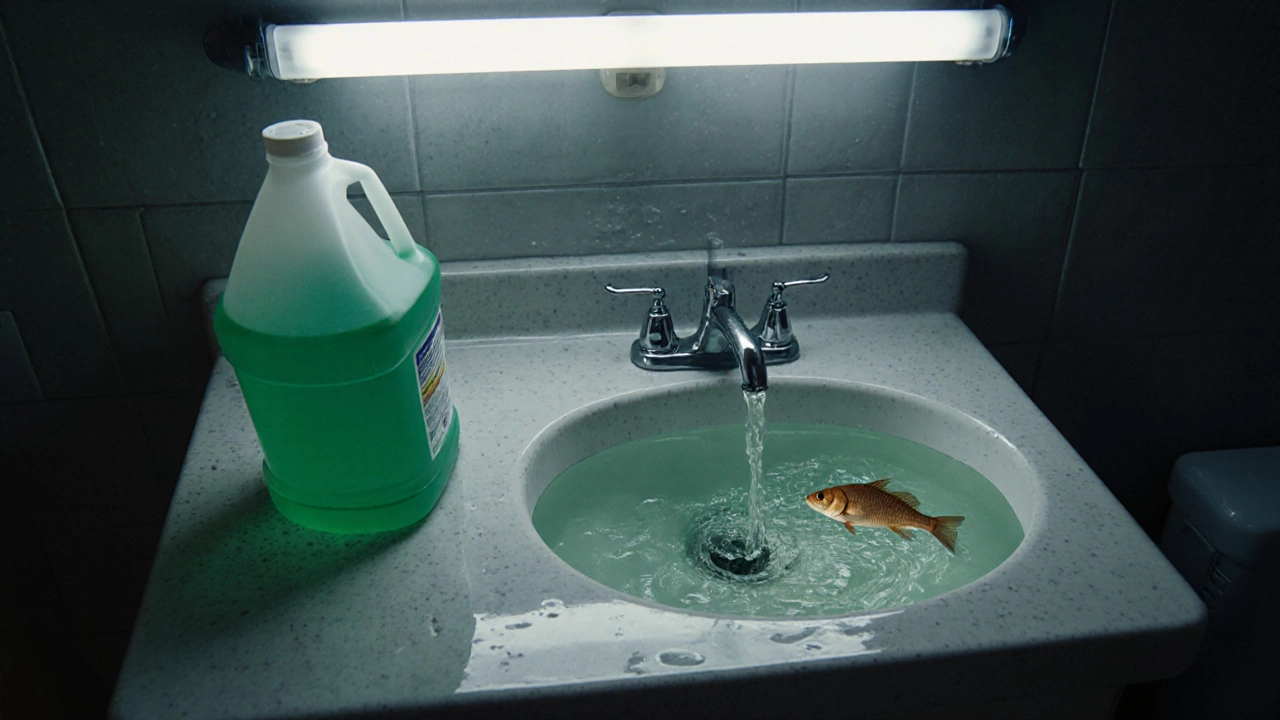
When you pour bleach down the drain or spray it on your countertops, you’re not just cleaning—you’re releasing a chemical that affects rivers, fish, and even the air you breathe. bleach, a strong chlorine-based disinfectant commonly used in households. Also known as sodium hypochlorite, it’s effective at killing germs, but it doesn’t disappear after it’s rinsed away. Every drop that goes down the sink eventually ends up in wastewater systems, and most treatment plants can’t fully break it down. That means traces of chlorine compounds end up in lakes, rivers, and oceans, where they mix with organic matter to form toxic byproducts like chloroform and dioxins—substances linked to cancer and hormone disruption in animals and humans.
The environmental impact of bleach, how it pollutes water systems and harms aquatic life isn’t just about what’s in the bottle. It’s about what happens after. Fish and amphibians are especially vulnerable; even low concentrations can damage their gills, reduce reproduction, and disrupt entire food chains. And when bleach combines with other cleaners—like ammonia or vinegar—it creates dangerous gases that linger in the air, posing risks to both indoor air quality and outdoor ecosystems. Many people think bleach is harmless because it’s cheap and widely available, but that’s exactly why it’s so dangerous: it’s used everywhere, every day, in huge amounts. Meanwhile, eco-friendly cleaning, cleaning methods that avoid synthetic toxins and rely on natural ingredients has become a real alternative. Products made from vinegar, baking soda, and plant-based surfactants work just as well for most household tasks without leaving behind persistent toxins.
It’s not just about switching cleaners—it’s about rethinking what "clean" means. You don’t need bleach to kill germs in your kitchen. A simple mix of soap and water removes 99% of bacteria. For disinfecting, hydrogen peroxide or even lemon juice can do the job safely. And when you choose green cleaning alternatives, non-toxic, biodegradable solutions that protect both health and the environment, you’re not just protecting your family—you’re helping reduce the burden on water treatment systems and marine life. The environmental impact of bleach is real, measurable, and avoidable. The posts below show you exactly what’s in common cleaners, how to spot the hidden dangers, and which DIY recipes actually deliver results without the pollution. You’ll find practical guides on safer oven cleaners, how to read labels, and why the products you think are harmless might be doing more harm than good.