Pressure Washer for Home: What You Need to Know Before You Buy
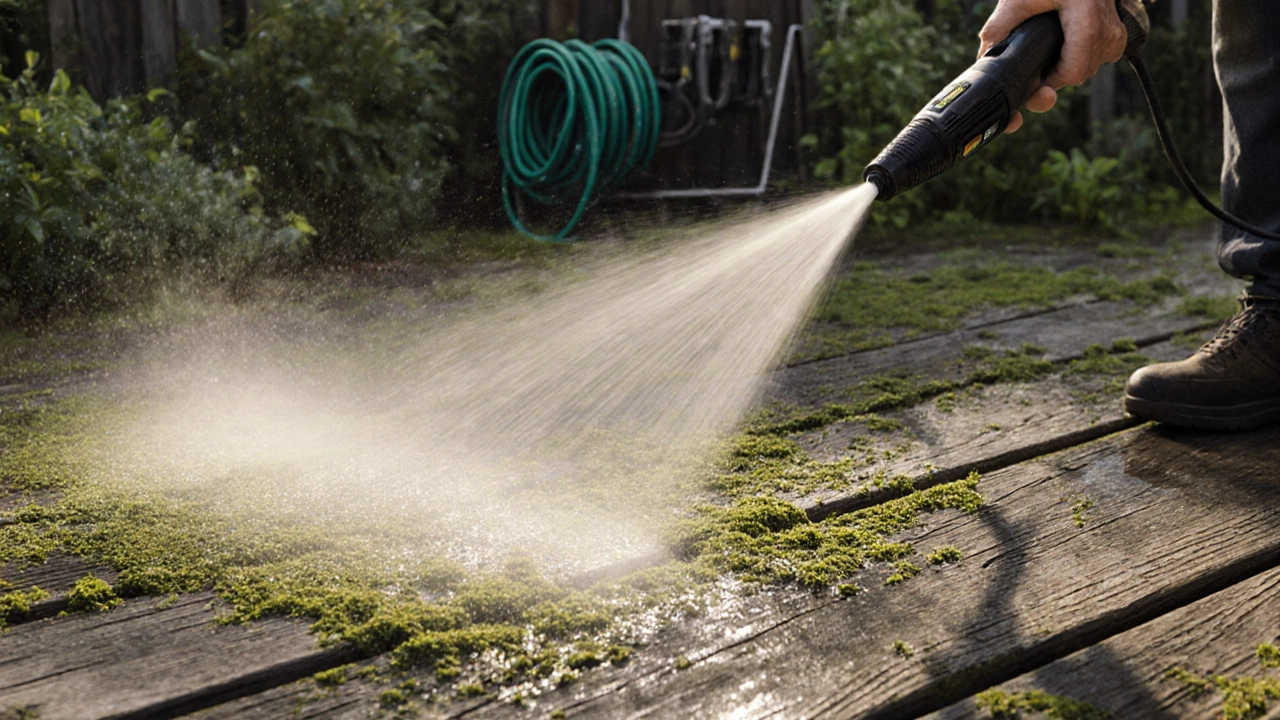
When you’re looking for a pressure washer for home, a high-pressure water cleaning tool designed for residential use. Also known as power washer, it’s not just a fancy gadget—it’s a real time-saver for driveways, patios, fences, and even siding. But not all models are made equal, and buying the wrong one can waste your money and leave you frustrated.
Many people assume more power means better results, but that’s not always true. A pressure washing equipment, tools and accessories used to deliver high-pressure water for cleaning surfaces with 1,300 to 2,000 PSI is perfect for most homeowners. Anything above 2,500 PSI? That’s for professionals or heavy-duty jobs like stripping paint or cleaning concrete driveways. Using too much pressure on wood or vinyl siding can cause damage you can’t undo. And don’t forget the nozzles—different spray patterns matter. A 25-degree nozzle is safe for general cleaning; a 0-degree nozzle? That’s a hazard if you’re not trained.
Then there’s the pressure washing costs, the total expense of buying and operating a home pressure washer, including water, maintenance, and accessories. You can find a decent electric model for under £150. Gas-powered ones start around £300 and need more upkeep—oil changes, fuel storage, winterization. If you only plan to use it a few times a year, electric is usually the smarter pick. It’s quieter, lighter, and you plug it in—no gas cans or fumes. But if you’ve got a big driveway or a lot of grime, gas gives you more mobility and power.
What Most People Get Wrong About Pressure Washing
A lot of folks think pressure washing is just about blasting dirt away. But it’s really about control. Holding the nozzle too close? You’ll etch the surface. Holding it too far? You’re wasting water and time. Always start at the top and work down. And never point it at people, pets, or windows—it’s not a toy. Even at low pressure, water can break glass or force its way into gaps and cause leaks. Read the manual. Test on a small hidden area first. And if you’re cleaning brick or stone, use a detergent designed for pressure washers—plain water won’t cut through grease or algae the same way.
There’s also the myth that pressure washing replaces scrubbing. It doesn’t. Stubborn stains, mold, or moss still need a brush or a pre-treatment. Some people use bleach in their pressure washer—don’t. It corrodes the pump and seals. Stick to biodegradable cleaners. And if you’re worried about water bills, remember: pressure washers use far less water than a garden hose running for 30 minutes. A good unit cleans faster and smarter.
What you’ll find below are real, tested guides from homeowners who’ve been there. Whether you’re wondering how to pick the right model, what to clean first, how to store it over winter, or whether you can actually make money doing it on the side—we’ve got the straight talk you need. No fluff. No marketing hype. Just what works.