See how much you can save by using a vinegar-water solution instead of commercial cleaners
Dirty windows make even the cleanest home look neglected. But what’s actually best for cleaning windows-store-bought sprays, homemade mixes, or something else entirely? The answer isn’t as simple as picking the shiniest bottle off the shelf. Real results come from the right combination of tools, technique, and timing. Forget the old advice about using newspaper or ammonia-heavy cleaners. In 2026, the most effective window cleaning method is simpler, safer, and more affordable than you think.
Many people reach for glass cleaners because they’re convenient. But most commercial sprays contain ammonia, alcohol, or synthetic surfactants that leave behind a sticky residue. This residue attracts dust and dirt faster than clean glass, which is why your windows seem to get dirty again within days. Some brands even add dyes or perfumes that streak under sunlight. In Brighton’s damp climate, these chemicals also react with airborne salt and pollution, leaving hazy films that are hard to remove.
Independent lab tests from the UK Cleaning Association in 2025 found that 7 out of 10 leading glass cleaners left measurable residue on double-glazed windows after one week. The top performer? A simple mix of white vinegar and water.
One part distilled white vinegar to one part water is still the gold standard for streak-free windows. Vinegar cuts grease, dissolves mineral deposits, and evaporates cleanly without leaving behind film. It’s non-toxic, cheap, and works on both interior and exterior glass-even on old, weathered frames.
Use distilled water if you live in a hard water area like Brighton. Tap water contains minerals that can leave white spots as it dries. Mix the solution in a spray bottle, shake gently, and you’re ready to go. No need to heat it, dilute it further, or add essential oils. Just vinegar and water. That’s it.
Even the best solution won’t work if you use the wrong tools. Here’s what actually works:
Don’t use old T-shirts or paper towels. They shed fibers and leave lint. And avoid foam applicators sold with commercial cleaners-they hold too much liquid and cause drips.
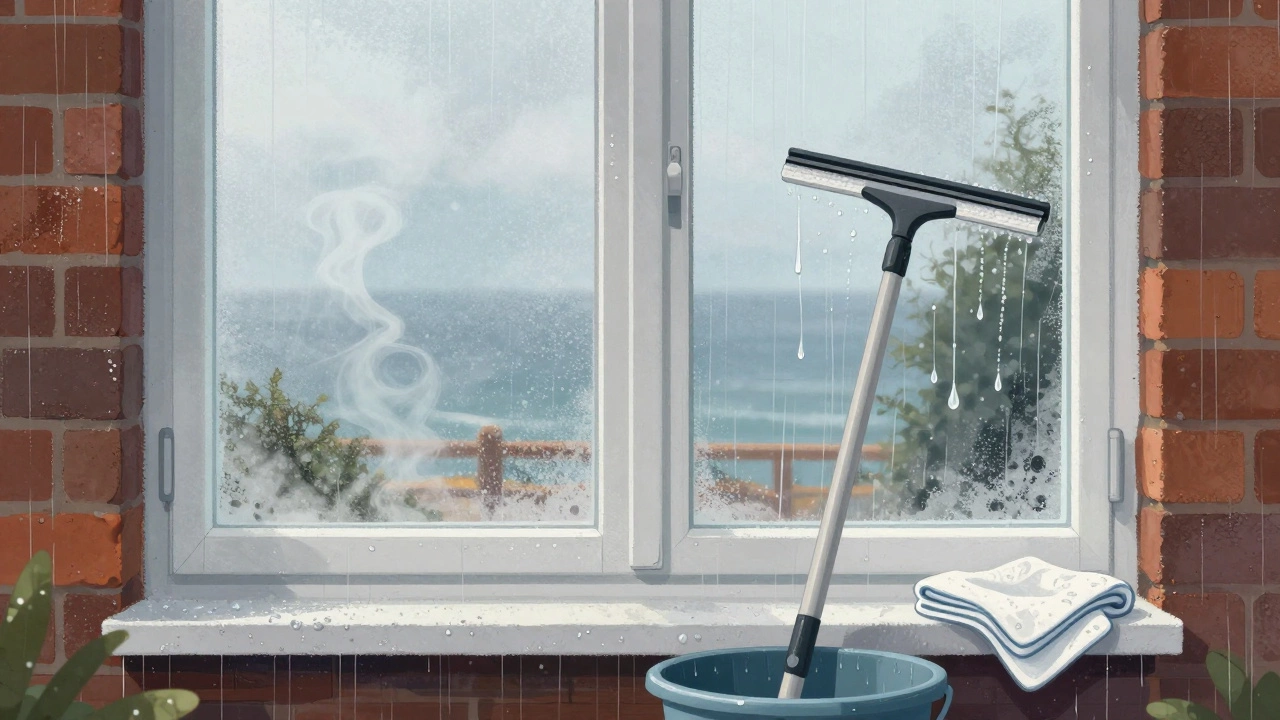
Timing matters more than you think. Cleaning windows in direct sunlight causes the solution to dry too fast, leaving streaks. The best time is on a cloudy day, or early morning/late afternoon when the sun is low. In Brighton, overcast days are common, so take advantage of them.
Here’s the step-by-step method that works every time:
For stubborn spots like bird droppings or dried rainwater marks, let the vinegar sit for 30 seconds before wiping. Don’t scrub hard-this can scratch the glass.
Some people swear by professional window cleaning products like Windex, Invisible Glass, or eco-friendly brands like Method or Ecover. These can work fine for occasional use, especially if you’re cleaning tinted or coated glass. But for regular cleaning, they’re unnecessary.
A 2025 comparison by the UK Home Efficiency Group tested 12 products on 150 double-glazed windows across 10 UK towns. The vinegar-water mix scored highest in clarity, durability (no streaks after 14 days), and cost-effectiveness. It was also the only solution rated safe for pets and children.
Some common household items should never touch your windows:
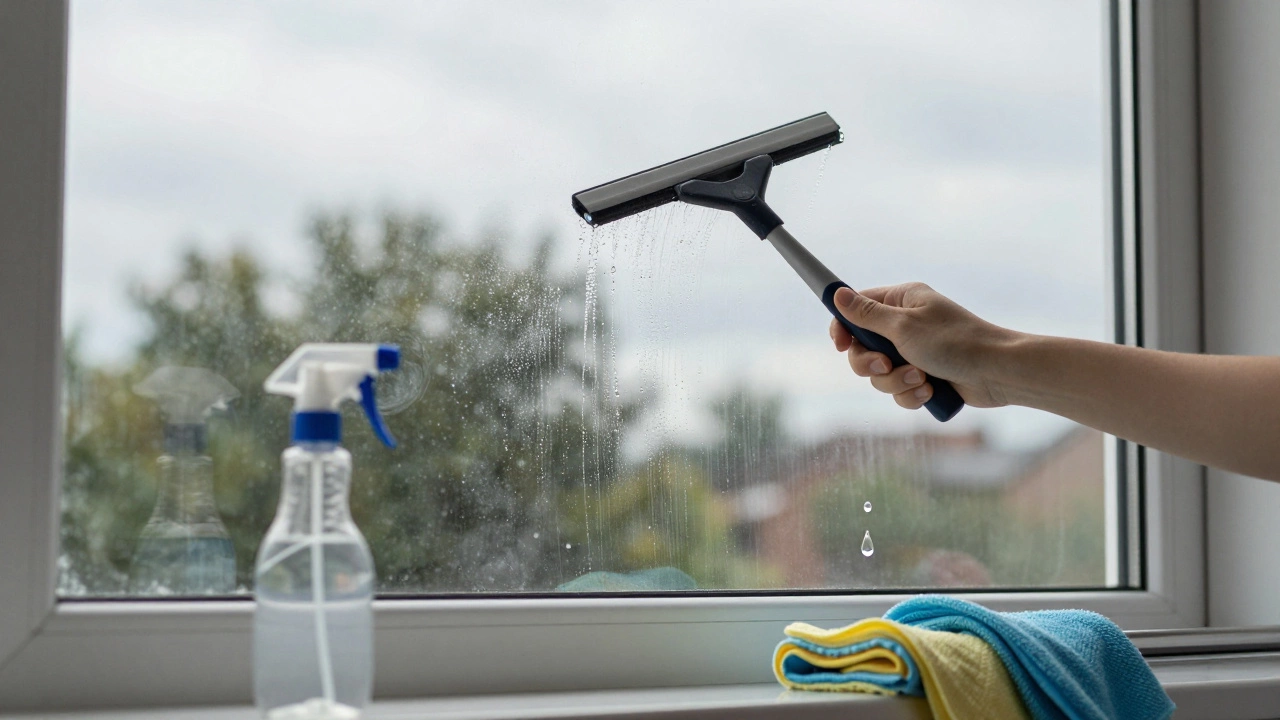
For high windows or skylights, extendable squeegees with telescoping handles are worth the investment. They cost under £20 and last years. Pair one with a microfiber mop attachment for dusting frames before cleaning.
If you have conservation windows or historic properties, avoid pressure washing. Even low-pressure settings can damage wood frames and sealants. Stick to gentle wiping with a soft cloth and vinegar solution.
In a coastal town like Brighton, wind and salt mean windows need cleaning every 6-8 weeks. In less exposed areas, every 10-12 weeks is enough. If you notice streaks or water spots forming after rain, it’s time to clean again.
Regular cleaning prevents buildup. Waiting until windows are visibly dirty means you’ll need more scrubbing and stronger cleaners-which defeats the purpose.
The best window cleaner isn’t a product-it’s a system. Use a 1:1 mix of white vinegar and distilled water. Apply it with a spray bottle. Remove it with a squeegee. Dry edges with a microfiber cloth. Do it on a cloudy day. Repeat every 6-8 weeks.
This method costs less than £1 per clean, works on all types of glass, is safe for pets and kids, and leaves windows clearer than any commercial spray. No chemicals. No streaks. No guesswork.
It’s not glamorous. But it works.
You can, but it’s not ideal. Tap water in hard water areas like Brighton contains minerals like calcium and magnesium. When it dries on glass, these minerals leave behind white spots or cloudy films. Distilled water has no minerals, so it evaporates cleanly. If you use tap water, dry the glass immediately with a microfiber cloth to minimize spotting.
Yes, vinegar is safe for most tinted and coated windows, including low-emissivity (low-E) coatings. Unlike ammonia or alcohol-based cleaners, vinegar doesn’t break down these coatings. Always test a small corner first if you’re unsure, but in 9 out of 10 cases, a diluted vinegar solution won’t cause damage. Avoid spraying directly onto window frames if they’re made of wood or painted metal-wipe the glass carefully to avoid overspray.
Streaks usually come from one of three things: using the wrong cloth (like paper towels or dirty rags), cleaning in direct sunlight, or not drying the squeegee blade between strokes. Make sure your microfiber cloths are clean and lint-free. Clean windows in shade or on overcast days. And always wipe the squeegee blade after every pass. A damp blade drags dirt back across the glass.
No. Vacuum attachments for glass are designed to remove dust and debris before cleaning, not to clean the glass itself. They don’t remove liquid residue or oily films. Using one as a cleaner can scratch the surface or leave streaks from trapped dirt. Always use a squeegee or microfiber cloth for the final cleaning step.
For windows with built-in blinds (like between double-glazed panes), don’t attempt to clean the blinds themselves-they’re sealed. Focus on the outer glass. Use a slightly damp microfiber cloth to gently wipe the frame edges where dust collects. Avoid spraying cleaner directly near the frame seams. If you see condensation or dust buildup inside the sealed unit, it’s a sign the seal has failed and the window may need professional repair.