Window Cleaning: Tips, Tools & Safety
When you think about window cleaning, the process of removing dirt, grime, and water spots from glass surfaces to improve visibility and curb appeal, you’re really dealing with a mix of technique, chemistry and equipment. Also called glass washing, it window cleaning isn’t just about a quick wipe—it requires the right approach to avoid streaks, damage or injury.
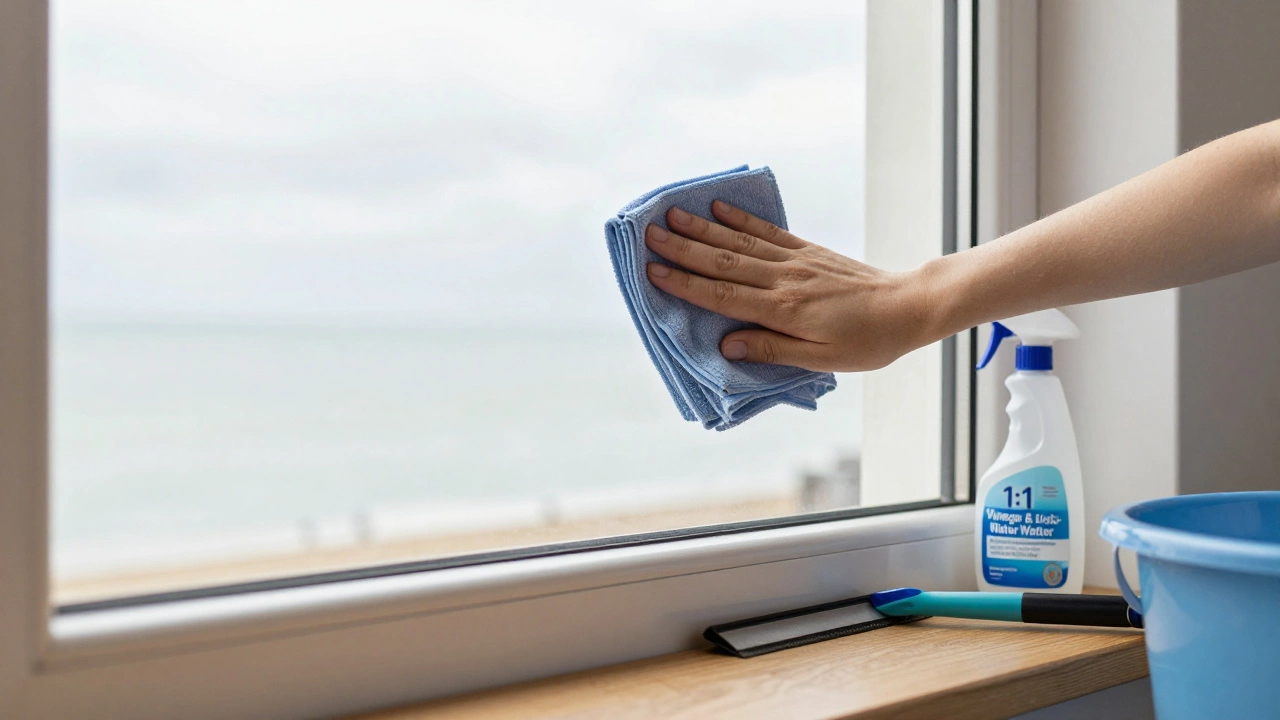
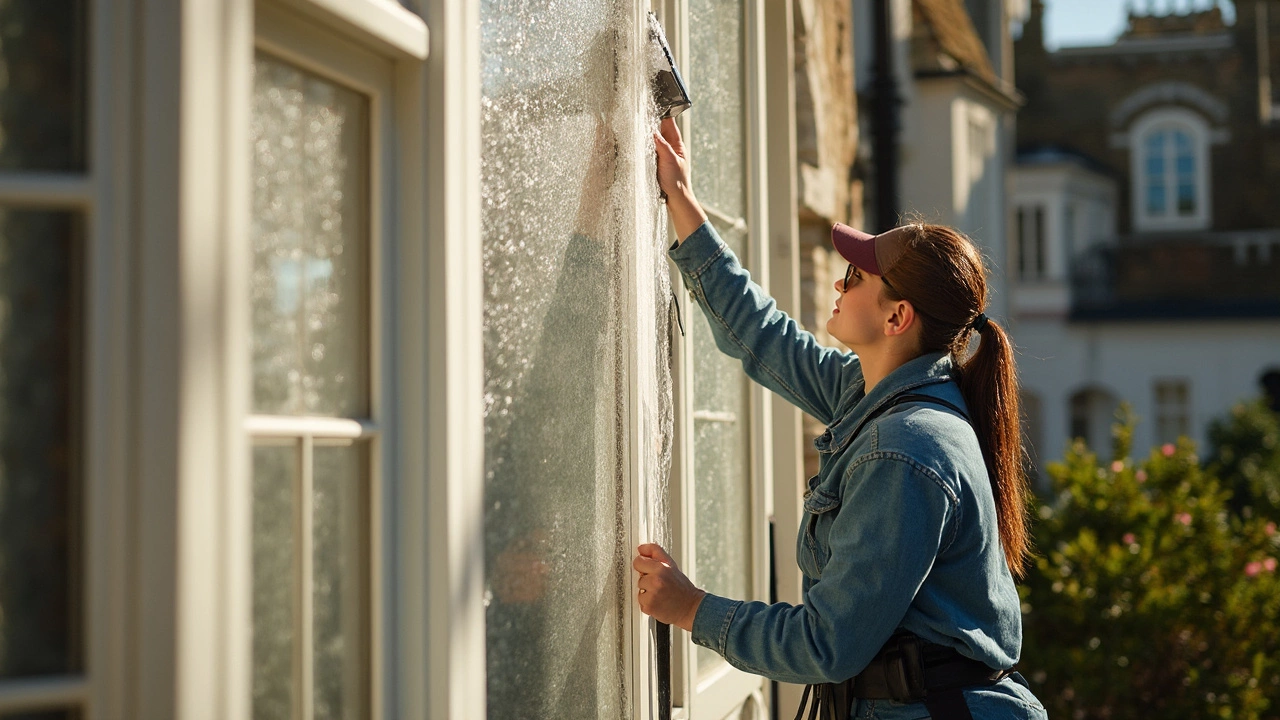
One of the main goals is achieving streak‑free windows, a finish where no visible lines or smears remain after the glass dries. This outcome hinges on three factors: the cleaning solution, the tool you use, and the drying technique. A homemade mix of vinegar and water can cut through grease, while a proper squeegee—covered under squeegee technique, the method of pulling a rubber blade across glass to remove liquid in one smooth motion—prevents water marks. Together they create a clear view without the need for expensive commercial products.
Why Safety and DIY Matter
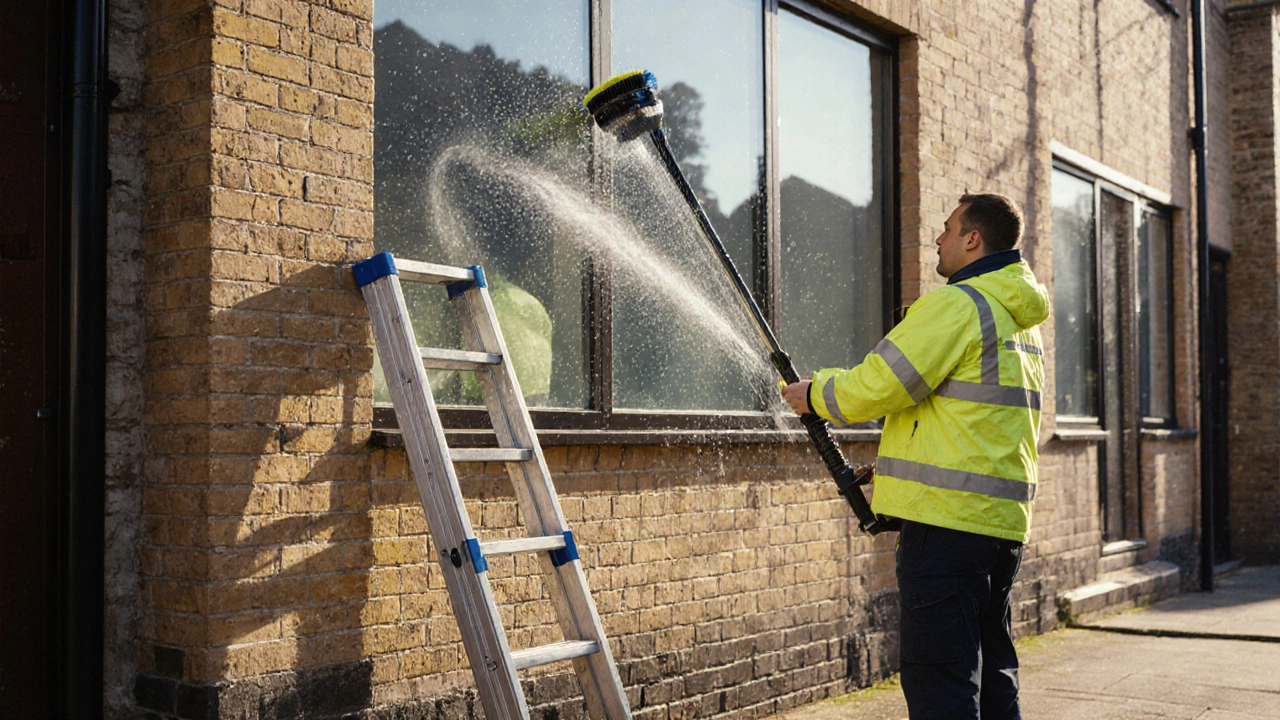
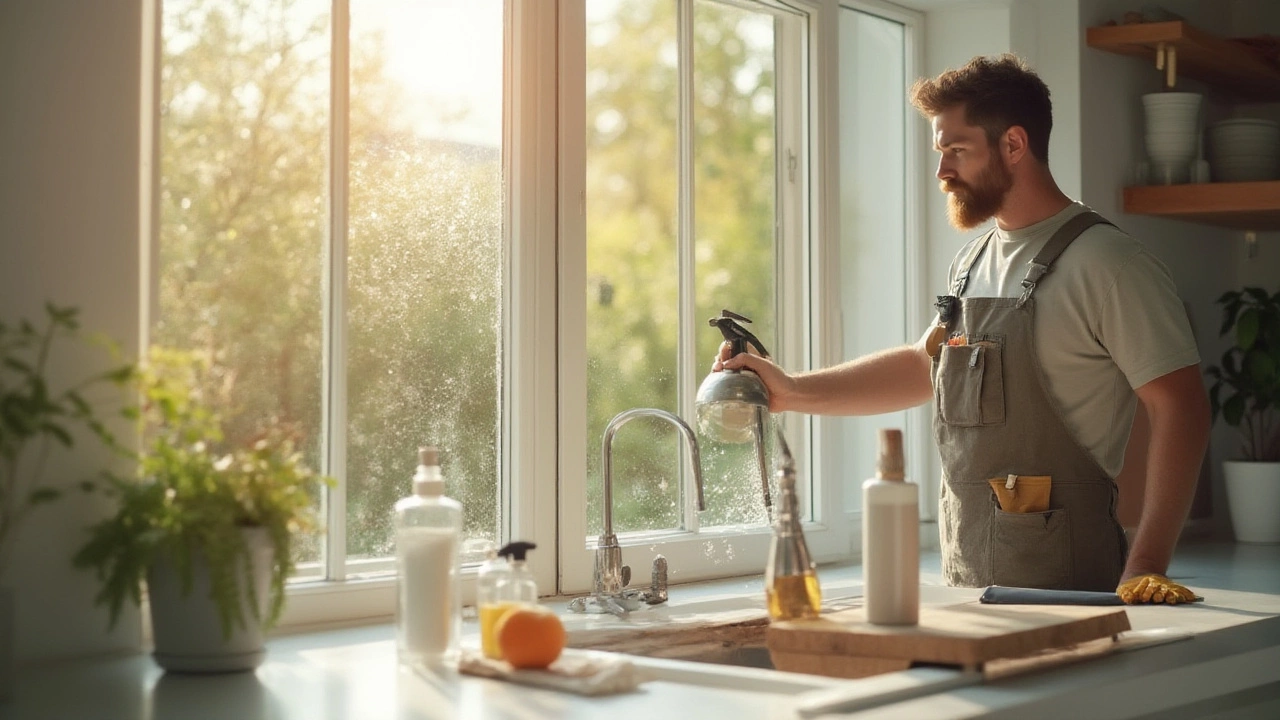
Before you climb a ladder or spray chemicals, consider cleaning safety, the set of precautions like stable footing, protective gloves and proper ventilation that keep you from accidents. Ignoring safety can lead to slips, chemical burns, or cracked panes. On the other hand, making your own DIY window cleaner, a homemade solution typically using ingredients like distilled water, white vinegar and a few drops of dish soap gives you control over fumes and cost. It also means you can tweak the formula for hard‑water stains or oily residues, enhancing results without harsh chemicals.
All these pieces—streak‑free goals, the squeegee method, safety steps and a custom cleaner—form a clear chain: window cleaning encompasses streak‑free techniques, requires proper tools, and benefits from safe DIY solutions. Below you’ll find articles that walk you through each part, from making a powerful cleaner to avoiding common pitfalls. Dive in for practical advice that will help you keep every pane crystal clear.