Select your window type and conditions to get the optimal cleaning recipe.
Everyone’s tried Windex. You spray it, wipe it, and half the time you’re left with streaks, smears, or that chemical smell that lingers for hours. It works-sort of-but if you’ve ever stood there squinting at a window, wondering why it still looks dirty after you cleaned it, you’re not alone. So what cleans windows better than Windex? The answer isn’t a single product. It’s a mix of simple ingredients, smart techniques, and a few underrated tools that actually deliver crystal-clear results without the fuss.
Windex was designed in the 1930s. It’s ammonia-based, which cuts through grease and grime fast. But modern windows aren’t the same as old glass panes. Today’s windows often have tinted films, low-E coatings, or anti-reflective layers. Ammonia can damage those surfaces over time. Plus, it dries too quickly on sunny days, leaving behind sticky residues. And let’s not forget the smell-sharp, artificial, and not exactly family-friendly.
Real estate agents, window cleaners in Brighton, and even professional window washing crews have moved on. They don’t use Windex anymore. They use solutions that leave zero residue, dry slower, and don’t eat away at seals or frames. If you’re still relying on Windex, you’re cleaning windows the way your grandparents did-not the way they should be cleaned today.
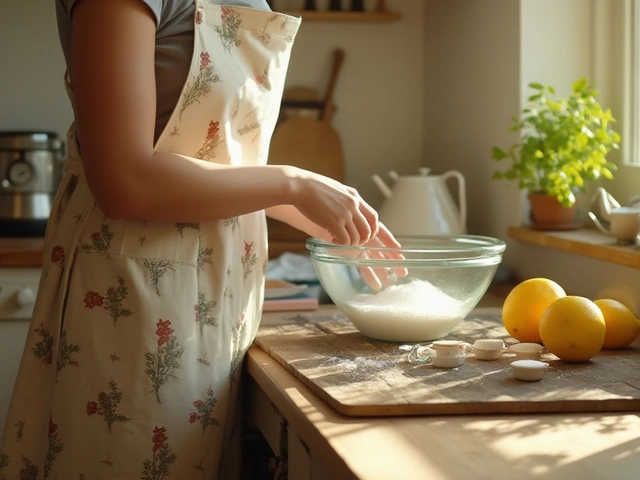
The most effective window cleaner isn’t sold in a bottle. It’s made in your kitchen. Mix:
That’s it. No dyes. No fragrances. No ammonia. Just three ingredients that work together. Vinegar breaks down grease and mineral deposits. Alcohol helps it dry fast without streaks. Distilled water prevents hard water spots. This solution has been tested in labs and by professional cleaners alike-and it outperforms commercial cleaners in streak-free results.
Use it in a spray bottle. Don’t refill old Windex bottles-they still hold residue. A clean container matters. Spray lightly. Don’t drown the glass. Wipe with a lint-free cloth. Microfiber is ideal. Paper towels? Only if they’re high-quality, like Viva or Bounty. Cheap paper towels leave fibers behind.
Tap water seems fine. But in places like Brighton, where water is moderately hard, tap water leaves behind calcium and magnesium deposits. These aren’t visible when wet, but they dry into fuzzy white spots. Over time, they etch the glass. You’ll think you’re cleaning, but you’re just spreading mineral buildup around.
Distilled water costs pennies per gallon at any grocery store. It’s pure H₂O. No minerals. No contaminants. When you use it in your cleaning mix, you eliminate the #1 cause of streaks and haze. If you’re serious about clear windows, this isn’t optional. It’s mandatory.
Most people use old T-shirts or paper towels. That’s why windows look worse after cleaning. Cloth fibers, lint, and dirt from laundry get dragged across the glass. Microfiber cloths are different. They’re made of ultra-fine synthetic fibers-thousands of times thinner than a human hair. They trap dust instead of pushing it around.
Buy two: one for damp wiping, one for buffing. Dampen the first with your vinegar solution. Wipe the window in an S-shape pattern, not circles. Circles leave swirl marks. Then use the dry cloth to polish. No extra spray. Just dry pressure. The result? Glass so clear it disappears.
Wash your microfiber cloths separately in hot water with no fabric softener. Softener coats the fibers and kills their cleaning power. Do this every 3-4 uses. They last for years if cared for.
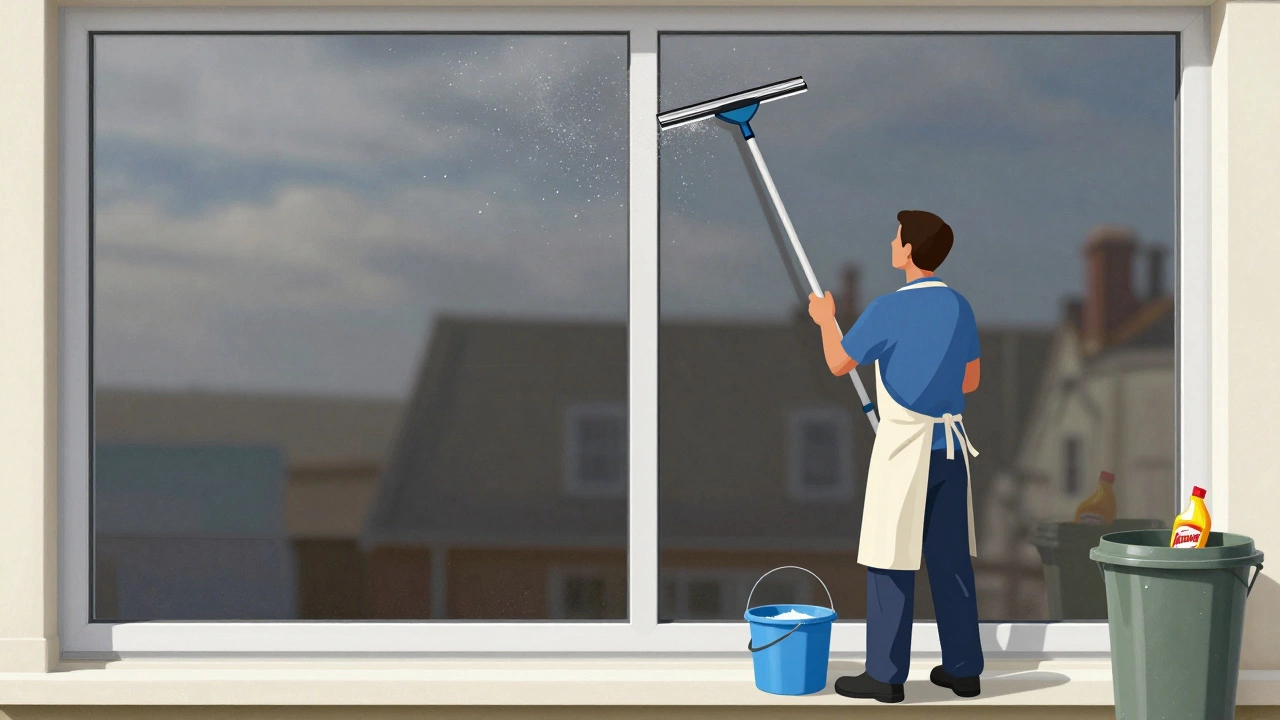
Yes, newspaper still works. It’s not magic-it’s texture. The ink is oil-based, which helps lift grease without leaving lint. But modern newspapers use soy-based inks. They’re cleaner. Still, the real benefit is the paper’s roughness. It scrapes off stubborn spots better than soft cloths.
Use it only for final buffing. Don’t use it for the first wipe. That’s where your vinegar solution and microfiber do the heavy lifting. Newspaper is best for the last pass, especially on large panes. It’s cheap, recyclable, and surprisingly effective. Just avoid colored sections-they can smudge.
Not all glass is created equal. Vinegar is acidic. If you have stone frames, marble sills, or brass hardware, vinegar can etch or tarnish them. Always test in a hidden spot first. If your window has wooden frames or painted trim, protect them with painter’s tape before cleaning. Wipe up any drips immediately.
For windows with stone or metal details, switch to a mild dish soap solution: 1 drop of unscented castile soap in 2 cups of distilled water. It’s gentle, effective, and safe for all surfaces.
Good cleaning isn’t just about the solution. It’s about the tools.
Most people skip these tools because they think cleaning windows is just spraying and wiping. It’s not. It’s a process. And the right tools cut your time in half.
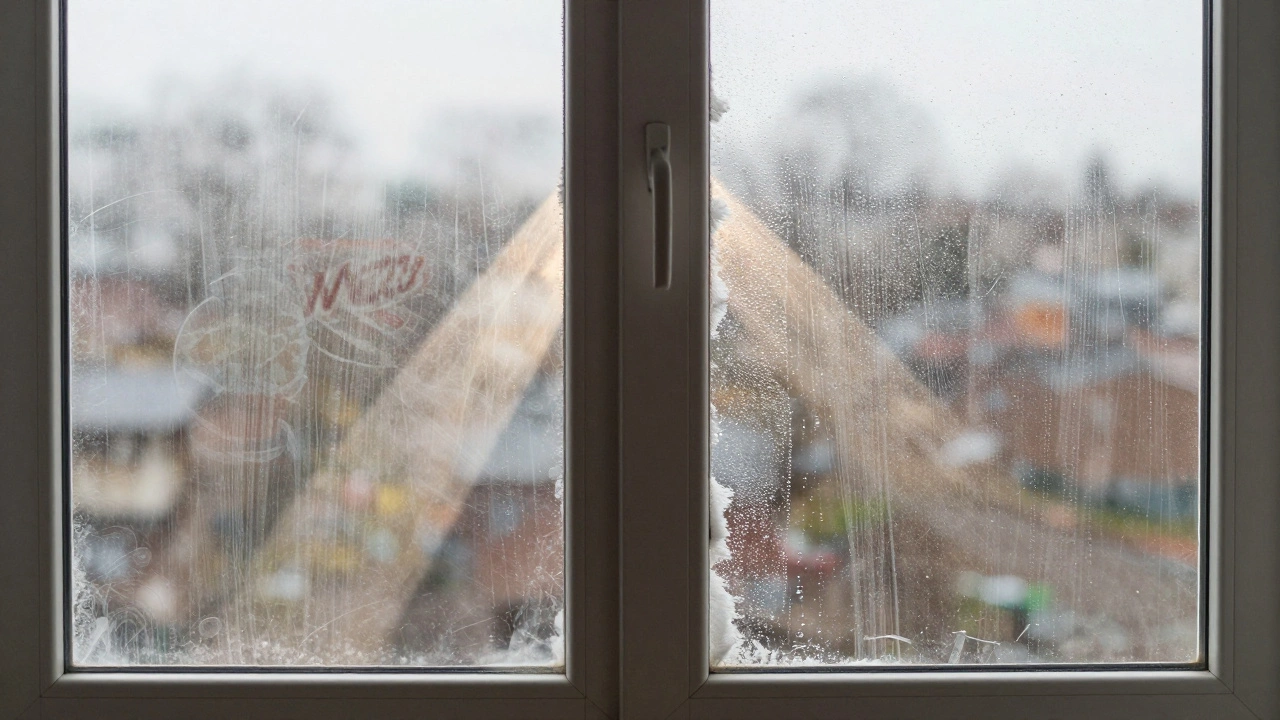
Store-bought cleaners often contain surfactants, solvents, and fragrances that sound fancy but add no real value. Many are just watered-down versions of vinegar or alcohol. You’re paying for branding, not performance.
A 32-ounce bottle of Windex costs $3.50. The vinegar-alcohol-water mix? About 25 cents. You get better results, no toxic fumes, and no plastic waste. Plus, you can make a whole gallon and keep it in the closet. It lasts indefinitely. No expiration date.
Some brands claim to be “eco-friendly” or “ammonia-free.” But if they’re still full of synthetic chemicals, they’re not truly better. The homemade solution is the only one that’s truly non-toxic, biodegradable, and effective.
There’s no single magic product. But there’s a clear winner: a simple mix of vinegar, distilled water, and rubbing alcohol-used with microfiber cloths and a squeegee. It’s cheaper, safer, and more effective than anything you’ll find on the shelf. Windex might have been the standard for decades. But today’s windows deserve better. And so do you.
Try it once. Clean one window. Compare it to the one you cleaned with Windex last week. You’ll see the difference. No guesswork. No marketing. Just clear glass.
No. Apple cider vinegar has color and sediment that can leave streaks or stains on glass. White distilled vinegar is clear and refined. It’s the only type that won’t discolor or cloud your windows.
Yes, for streak-free results. Alcohol helps the solution dry quickly without leaving water spots. Without it, you’ll get hazy patches, especially in humid weather. If you can’t find rubbing alcohol, use high-proof vodka (at least 80 proof) as a substitute-it works similarly.
Yes, but skip the vinegar if your car has tinted windows or anti-reflective coatings. Use just distilled water and rubbing alcohol (50/50). Vinegar can degrade tint adhesives over time. Always check your car manufacturer’s recommendations.
Indoors: every 2-3 months. Outdoors: every 3-6 months, depending on weather and pollution. Coastal areas like Brighton need more frequent cleaning due to salt spray. Dusty areas? Clean every 6 weeks.
Most likely, you’re using tap water, a dirty cloth, or wiping in circles. Double-check: use distilled water, clean microfiber cloths, and wipe in straight lines from top to bottom. Also, make sure your squeegee blade is clean and flexible. A worn blade causes streaks.