Check if your planned chemical combination is safe:
Grabbing a pressure washer and blasting away at your driveway feels satisfying until you realize the grime is still there. High-pressure water removes loose dirt, but it struggles with biological growth like mold, algae, and moss, or stubborn stains from oil and rust. That’s where chemistry comes in. Choosing the right chemicals for pressure washing isn’t just about getting things cleaner; it’s about doing it safely without damaging your surfaces, killing your lawn, or harming the environment. Using the wrong agent can etch stone, strip paint, or leave behind toxic residues that seep into your groundwater.
Whether you are tackling a concrete patio covered in black streaks or a wooden deck slick with algae, the solution depends entirely on the material you are cleaning and the type of stain you are fighting. This guide breaks down the most effective cleaning agents, how to mix them, and which ones to avoid to protect your home and health.
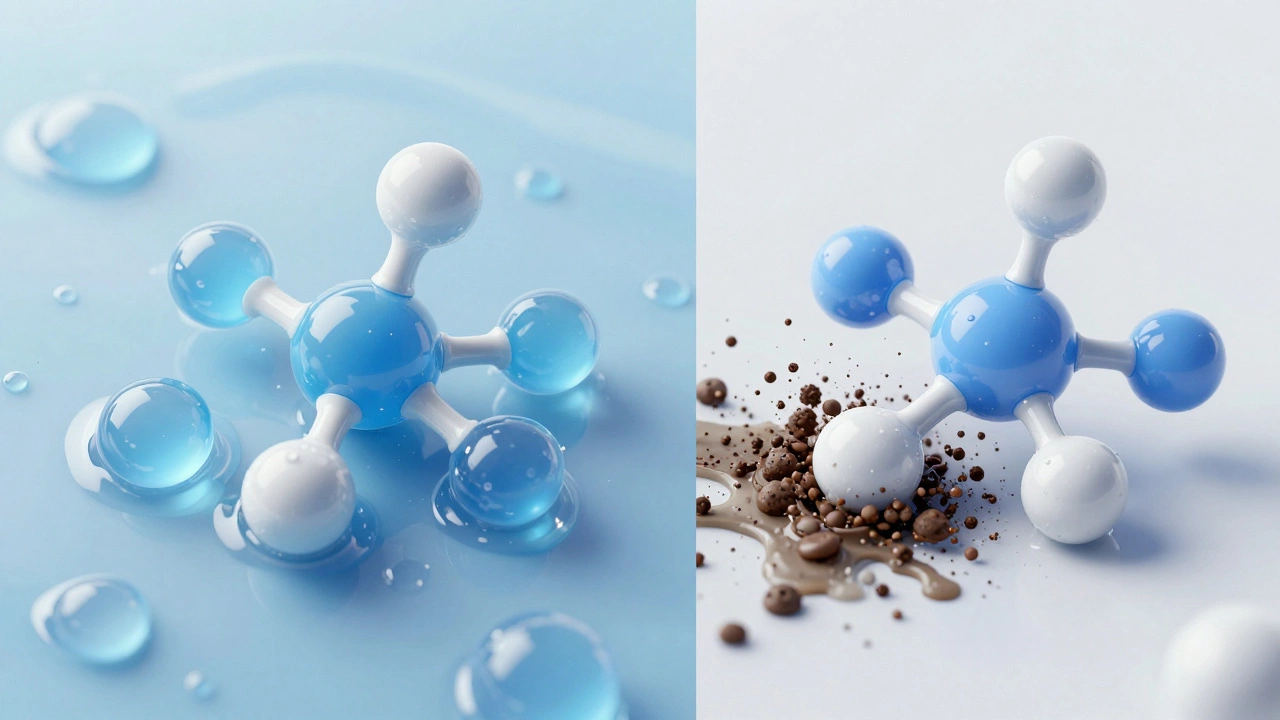
Before picking up a bottle, it helps to understand what these chemicals actually do. In the industry, we call them surfactants or detergents. Their primary job is to lower the surface tension of water. Think of water beading up on a car windshield-that high surface tension prevents it from soaking into dirt. Surfactants break that bond, allowing the water to penetrate the grime and lift it off the surface so the pressure can rinse it away.
Different stains require different chemical actions:
Mixing these incorrectly can lead to dangerous reactions. For instance, never mix bleach with acidic cleaners like vinegar or rust removers. This creates chlorine gas, which is highly toxic and potentially fatal. Always read the labels and stick to one type of active ingredient per cleaning session unless the manufacturer explicitly states otherwise.
Here are the standard workhorses of the pressure washing world, categorized by their best use cases.
This is the go-to for killing organic growth. Household bleach contains about 5-6% sodium hypochlorite, but professional pressure washers often use "pool shock" or industrial-strength solutions with higher concentrations (10-12%). It is incredibly effective against black streaks on siding, green algae on roofs, and mold on concrete.
Pros: Cheap, widely available, and kills spores effectively. Cons: Highly corrosive to aluminum and some metals. It can damage plants if not rinsed thoroughly. It also fades certain fabrics and paints over time.
If you want results similar to bleach but without the harshness, sodium percarbonate is your friend. When mixed with water, it breaks down into sodium carbonate (washing soda) and hydrogen peroxide. The hydrogen peroxide acts as an oxidizer, lifting stains and killing bacteria, while the washing soda helps scrub away dirt. It is excellent for wood decks, painted surfaces, and areas near sensitive landscaping.
Pros: Eco-friendly, safe for most surfaces, no toxic fumes. Cons: More expensive than bleach. Works slower, requiring longer dwell times (the time the soap sits on the surface).
These are concentrated, pH-neutral or slightly alkaline soaps designed specifically for pressure washers. They contain surfactants that grab onto grease and general dirt. They are ideal for house washing, cleaning windows, and removing light soil from vehicles or patios. Look for products labeled "low foam" because high-foaming dish soaps can clog your pressure washer's pump and overflow the detergent tank.
Reserved for tough inorganic stains. Muriatic acid (hydrochloric acid) is strong and cheap, often used for etching concrete before sealing or removing heavy mortar splatter. Phosphoric acid is milder and safer for removing rust stains from brick or stone without eating away at the material itself.
Warning: Acids react violently with many metals and can burn skin instantly. Wear full protective gear, including goggles and gloves, when using these.
| Chemical Type | Best For | Surface Safety | Environmental Impact |
|---|---|---|---|
| Sodium Hypochlorite (Bleach) | Mold, Algae, Mildew | Poor on metals/wood | High toxicity to plants/water |
| Sodium Percarbonate | General dirt, Wood, Paint | Excellent | Low (breaks down into oxygen) |
| Alkaline Degreaser | Oil, Grease, Kitchen Exhaust | Good on concrete/metal | Moderate (high pH) |
| Phosphoric Acid | Rust, Mineral Deposits | Good on stone/brick | Moderate (acidic runoff) |
The material you are cleaning dictates your chemical choice more than anything else. Using a strong acid on limestone will destroy it. Using bleach on untreated cedar can discolor it permanently. Here is a quick reference for common surfaces:
Having the right chemical is half the battle. Applying it correctly ensures you get the clean you want without wasting product or causing damage.
If you are traveling internationally for business or leisure and need reliable local services, such as finding verified companions in Dubai via this directory, you’ll appreciate how preparation applies everywhere-whether it’s packing the right gear or knowing exactly what you’re booking ahead of time.
Regulations regarding wastewater disposal are tightening globally. In many municipalities, it is illegal to let pressure washing runoff containing chemicals flow into storm drains, which lead directly to rivers and oceans. Storm drains bypass sewage treatment plants.
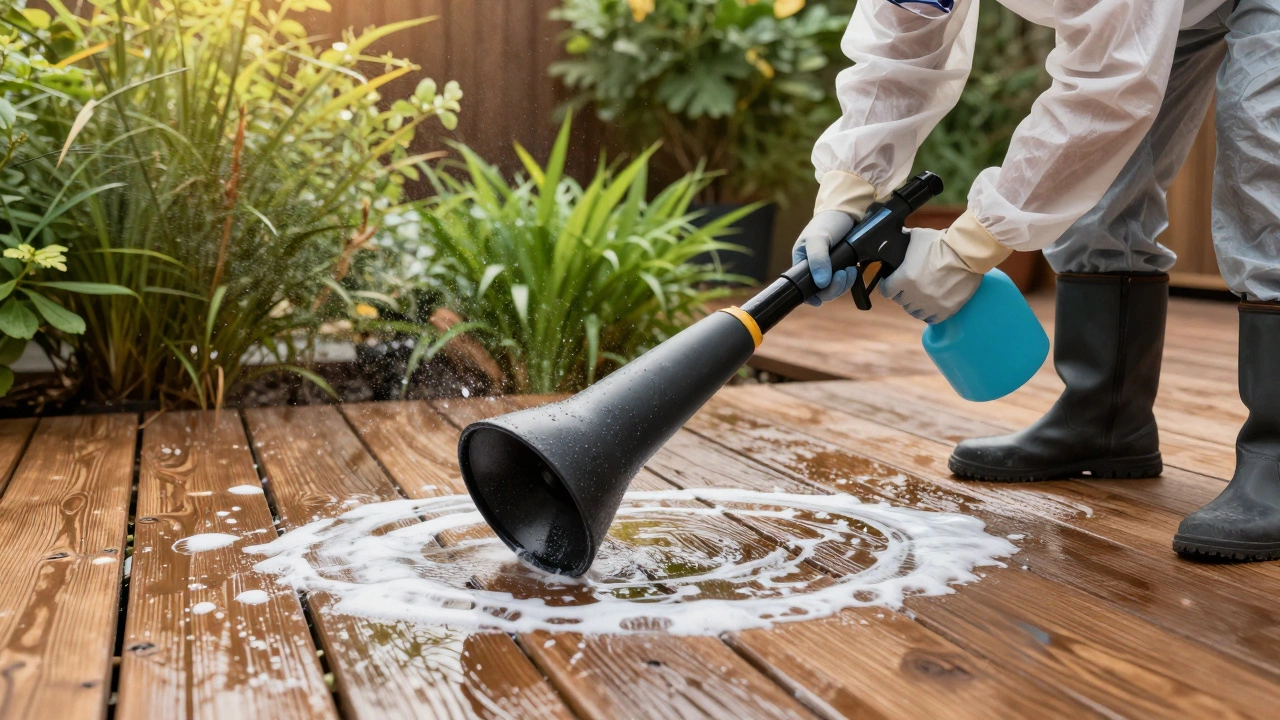
To stay compliant and environmentally responsible:
Even experienced homeowners make these errors:
Pressure washing is a powerful tool, but it is not a magic wand. The chemical you choose determines whether you end up with a sparkling surface or a damaged, stained mess. By identifying the stain type, respecting the material limits, and following safe application practices, you can extend the life of your home’s exterior while maintaining its curb appeal. Remember, when in doubt, start with the mildest effective option and test a small, inconspicuous area first.
Yes, but with caution. Household bleach (5-6% sodium hypochlorite) is effective for killing mold and algae on concrete and vinyl siding. However, it can damage wood, aluminum, and plants. Always dilute it properly (typically 1 part bleach to 10 parts water) and rinse thoroughly. Avoid using it near gardens or on untreated wood.
For oil stains, an alkaline degreaser is most effective. Look for products containing sodium hydroxide or potassium hydroxide. Apply the degreaser, let it dwell for 10-15 minutes, scrub with a stiff brush, and then rinse with high pressure. For old, set-in stains, you may need to repeat the process or use a poultice made of absorbent material and solvent.
Vinegar is a mild acid and can be used for light mineral deposits or hard water spots on durable surfaces like concrete or brick. However, it is too weak for heavy grease or biological growth. Never mix vinegar with bleach, as this creates toxic chlorine gas. It is also unsafe for calcium-based stones like marble or limestone.
Thoroughly wet all nearby plants with plain water before applying any chemical. This saturates the soil and foliage, reducing absorption. Cover large plants with plastic sheeting if possible. After rinsing the cleaned surface, flush the plants again with plenty of water to remove any residual drift or runoff.
Generally, no. Mixing chemicals can cause dangerous reactions, such as releasing toxic gases or neutralizing the cleaning power. Always use one type of chemical per cleaning session. If you need to tackle multiple types of stains, clean one area with one chemical, rinse completely, and then move to the next area with a different chemical if necessary.