Determine if your eco-friendly cleaning product is a registered disinfectant or just an all-purpose cleaner.
There is a dangerous myth floating around social media and well-meaning blogs: if a bottle says "natural," "plant-based," or "green," it kills germs. It does not. In fact, relying on standard green cleaners to disinfect your kitchen counters or bathroom tiles can leave you vulnerable to serious pathogens like norovirus, salmonella, and influenza.
The confusion stems from the difference between cleaning and disinfecting. Most green cleaning products are excellent at removing dirt, grease, and grime (cleaning), but they lack the chemical potency required to destroy viruses and bacteria (disinfecting). If you want an eco-friendly home that is also safe from illness, you need to understand exactly which green products actually work as disinfectants and how to use them correctly.
To figure out if your green cleaner works, you first have to know what job you are asking it to do. These two terms are often used interchangeably in marketing, but they mean very different things in public health and chemistry.
Cleaning is the physical removal of dirt, dust, organic matter, and some germs from surfaces using soap, water, and friction. Think of washing dishes with dish soap. You aren't necessarily killing every single bacterium; you are lifting the food particles and oils that harbor them and rinsing them away. This reduces the number of germs significantly, which is why handwashing is so effective. However, cleaning alone does not guarantee the elimination of dangerous pathogens.
Disinfecting is the application of chemicals to a cleaned surface to kill remaining germs, including viruses and bacteria. This step requires specific active ingredients at specific concentrations. A product must be proven to kill a certain percentage of microbes within a set contact time to claim it is a disinfectant. Without this chemical action, germs can survive on surfaces for days or even weeks.
If you clean a countertop after chopping raw chicken, you remove the visible blood and juices. But if you don't disinfect it afterward, Salmonella bacteria may still be present. That is where green products often fall short unless they are specifically formulated and registered for that purpose.
The core issue is chemistry. Traditional disinfectants rely on harsh chemicals like bleach (sodium hypochlorite), quaternary ammonium compounds (quats), or high-concentration alcohol. These substances break down cell walls and proteins of microorganisms effectively.
Many green cleaners avoid these ingredients because they are toxic to humans, pets, and aquatic life. Instead, they use surfactants derived from coconut oil, essential oils like tea tree or lavender, vinegar, or citric acid. While tea tree oil has mild antimicrobial properties in a lab setting, it is rarely concentrated enough in a household spray to kill hardy viruses like norovirus or influenza within a reasonable timeframe. Vinegar, a staple of natural cleaning, is acidic and good for mineral deposits, but it is not a registered disinfectant against most dangerous pathogens.
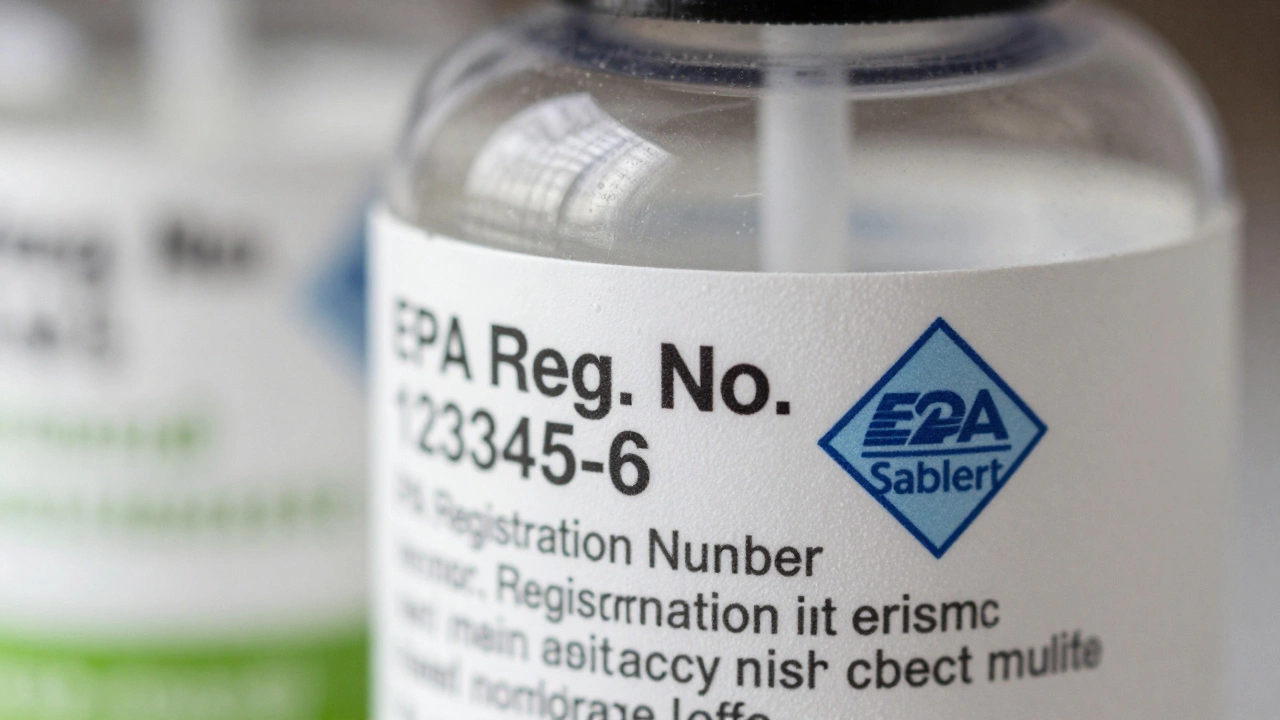
Furthermore, the Environmental Protection Agency (EPA) in the United States regulates disinfectants strictly. To legally call a product a "disinfectant," it must be registered with the EPA and display an EPA Registration Number. Many green brands skip this registration process because the testing is expensive and their formulas aren't potent enough to pass. They label themselves as "all-purpose cleaners" instead, which is a legal loophole that confuses consumers.
You can buy eco-friendly products that truly disinfect. You just have to look past the leaf icons and read the fine print. Here is how to verify if a green product is legit:
| Ingredient/Product Type | Cleans Dirt? | Disinfects (Kills Viruses/Bacteria)? | Safety Profile |
|---|---|---|---|
| Vinegar (Acetic Acid) | Yes | No (except MRSA in specific lab conditions) | Safe, but corrosive to stone/grout over time |
| Tea Tree Oil Sprays | Mildly | No (too weak for household disinfection) | Safe for humans, toxic to cats |
| EPA-Registered Hydrogen Peroxide | Yes | Yes (if labeled as disinfectant) | Very safe, breaks down into water and oxygen |
| Standard "All-Purpose" Green Cleaner | Yes | No | Generally safe |
If you are ready to switch to safer options without sacrificing hygiene, focus on products that use powerful yet biodegradable active ingredients. Here are the most reliable categories:
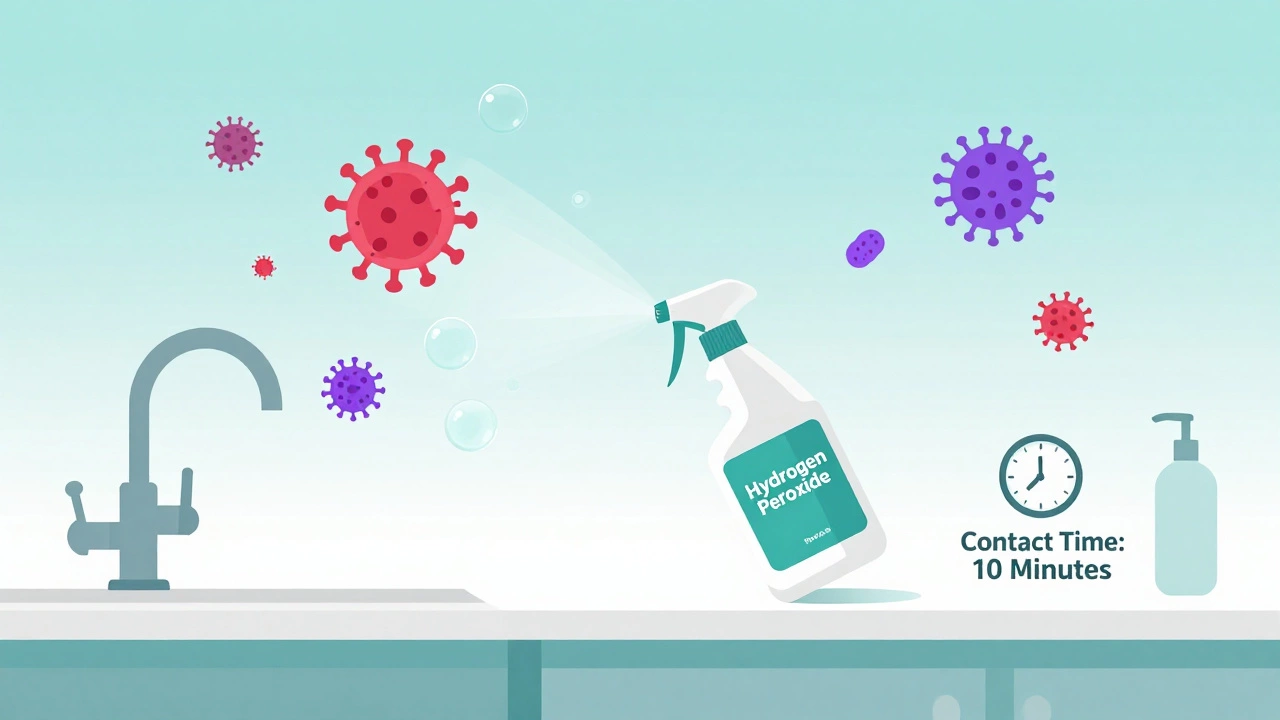
Hydrogen Peroxide-Based Disinfectants are eco-friendly killers of microbes that break down into water and oxygen after use. Unlike bleach, hydrogen peroxide does not release volatile organic compounds (VOCs) that pollute indoor air. Look for sprays containing 3% to 7% hydrogen peroxide. Brands like Seventh Generation and Better Life offer EPA-registered versions. Just remember: keep the surface wet for the full contact time, usually 5 to 10 minutes.
Lactic Acid Formulas are natural acids derived from fermented sugar cane or corn that effectively disrupt bacterial cell membranes. Lactic acid is strong enough to kill E. coli and Staphylococcus aureus when formulated correctly. It is less irritating to skin and lungs than traditional quats. Check labels for "lactic acid" as the primary active ingredient alongside an EPA registration number.
Plant-Derived Phenols are compounds extracted from plants like eucalyptus, thyme, and clove that have broad-spectrum antimicrobial activity. Some advanced green cleaners use encapsulated phenols to ensure they stay active long enough to kill germs. These are often found in hospital-grade green cleaning lines adapted for home use.
Essential oils get a lot of credit in the green cleaning world. Lavender smells nice, and tea tree oil sounds medicinal. But here is the hard truth: essential oils are not reliable disinfectants for general household use.
While studies show that certain essential oils have antimicrobial properties in petri dishes, these results do not translate to your kitchen counter. To achieve the same kill rate as bleach or alcohol, you would need to soak your surfaces in pure essential oil for hours, which would damage finishes and pose inhalation risks. Moreover, essential oils can trigger asthma and allergies in sensitive individuals.
Use essential oils for fragrance and mild antibacterial support, but never rely on them as your sole defense against viruses. If a product claims to disinfect using only lemon oil, check the EPA registration number. If it’s not there, it’s just perfume with soap.
Even the best green disinfectant will fail if you use it incorrectly. Follow these steps to ensure your home is truly sanitized:
There are scenarios where green disinfectants might not be enough, or where you might prefer the guaranteed power of traditional chemicals. If someone in your household has a compromised immune system, or if you are dealing with a known outbreak of a tough virus like norovirus, consider using a diluted bleach solution (1 tablespoon of bleach per gallon of water) for critical areas like toilets and bathroom floors.
Bleach is highly effective and inexpensive. The key is to use it sparingly and safely-never mix it with ammonia or vinegar, and always ventilate. For daily maintenance, however, EPA-registered green disinfectants are sufficient and far better for your long-term health and the environment.
No, vinegar is not a registered disinfectant. While it can kill some bacteria like E. coli and Salmonella in laboratory settings, it does not reliably kill viruses like influenza or norovirus. It is excellent for cleaning hard water stains and light dirt, but you should not rely on it for sanitizing high-risk areas during flu season.
Not necessarily. Many plant-based cleaners use essential oils like tea tree, pine, or citrus, which can be toxic to cats and dogs if ingested or absorbed through the paws. Always check the label for pet safety warnings. Even if a product is "green," it may contain ingredients harmful to animals. Keep pets out of the room while disinfecting and until surfaces are completely dry.
The EPA Safer Choice label is a certification program that identifies cleaning products made with ingredients that are safer for human health and the environment. Every ingredient in a Safer Choice product is evaluated for toxicity, persistence, and bioaccumulation. If you see this blue diamond logo, you can trust that the product meets strict environmental standards.
You can make a mild sanitizer using distilled white vinegar and water, but it will not meet EPA standards for disinfection. For true disinfection, you can dilute 3% hydrogen peroxide (undiluted or slightly diluted depending on the brand instructions) or use a mixture of rubbing alcohol (at least 70% isopropyl) and water. However, commercially available EPA-registered green disinfectants are more reliable because they include stabilizers that keep the active ingredients effective.
Most green disinfectants based on hydrogen peroxide or lactic acid have a shelf life of 12 to 24 months when unopened. Once opened, they may degrade faster, especially if exposed to light or heat. Hydrogen peroxide breaks down into water and oxygen over time, losing its potency. Always check the expiration date on the bottle and store products in a cool, dark place.
Never mix any cleaning products unless the manufacturer explicitly instructs you to do so. Mixing hydrogen peroxide with vinegar creates peracetic acid, which is irritating to the eyes, skin, and throat. Mixing ammonia-based cleaners with bleach creates toxic chloramine gas. Stick to one product at a time and rinse thoroughly between applications if you need to switch types.