Picture this: you’ve hired a professional to deep clean your home. You’re excited. But then you look around at the piles of laundry on the chair, the dishes in the sink, and the toys scattered across the living room floor. Do you spend three hours tidying up first? Or do you just let the professionals handle it?
This is one of the most common dilemmas for anyone using house cleaning services, which are professional teams or individuals hired to maintain residential hygiene standards. The short answer is yes, but not in the way you might think. You don’t need to scrub the floors or wipe the counters. That’s what they’re there for. However, you do need to manage clutter. There is a distinct difference between "cleaning" and "tidying," and confusing the two can cost you money and time.
Professional cleaners are equipped with industrial-grade vacuums, microfiber cloths, and specialized chemicals. They know how to remove grime from baseboards and sanitize bathroom tiles. If you spend your evening mopping the kitchen floor only for them to mop it again an hour later, you have wasted your energy and potentially diluted their effectiveness.
Think of it like going to the dentist. You brush your teeth before you go, right? Yes. But you don’t expect the hygienist to skip the deep cleaning because your breath smells fresh. Similarly, your job is to prepare the surface area for their work. This means removing obstacles, not dirt.
When you separate these tasks, the cleaning team can work efficiently. They can focus on the surfaces rather than playing detective to find where your keys went. This distinction is crucial for getting value for your money.
Have you ever tried to vacuum under a coffee table buried under Lego bricks? It’s frustrating. Now imagine doing that for six rooms. Most cleaning contracts operate on a flat rate or an hourly basis. If your home is cluttered, the cleaner spends half their time moving things out of the way and only half actually cleaning.
In Brighton, where many homes are period properties with intricate skirting boards and hard-to-reach corners, efficiency matters even more. A clutter-free environment allows the cleaner to reach every edge. If they have to lift every single book off a shelf to dust it, they will likely skip that shelf entirely to save time. The result? You pay for a full clean but get a partial job.
Furthermore, clutter creates liability issues. If a cleaner trips over a bag left in the hallway, who is responsible? By clearing walkways, you protect both yourself and the service provider. It sets a tone of respect and professionalism from the moment they walk through the door.
To make your life easier, break down the preparation by room. This approach prevents overwhelm and ensures nothing is missed. Here is what you should do before the cleaner arrives.
The kitchen is often the hardest room to keep tidy. Focus on high-traffic surfaces.
Bathrooms require specific attention to personal items.
These spaces are about visual order.
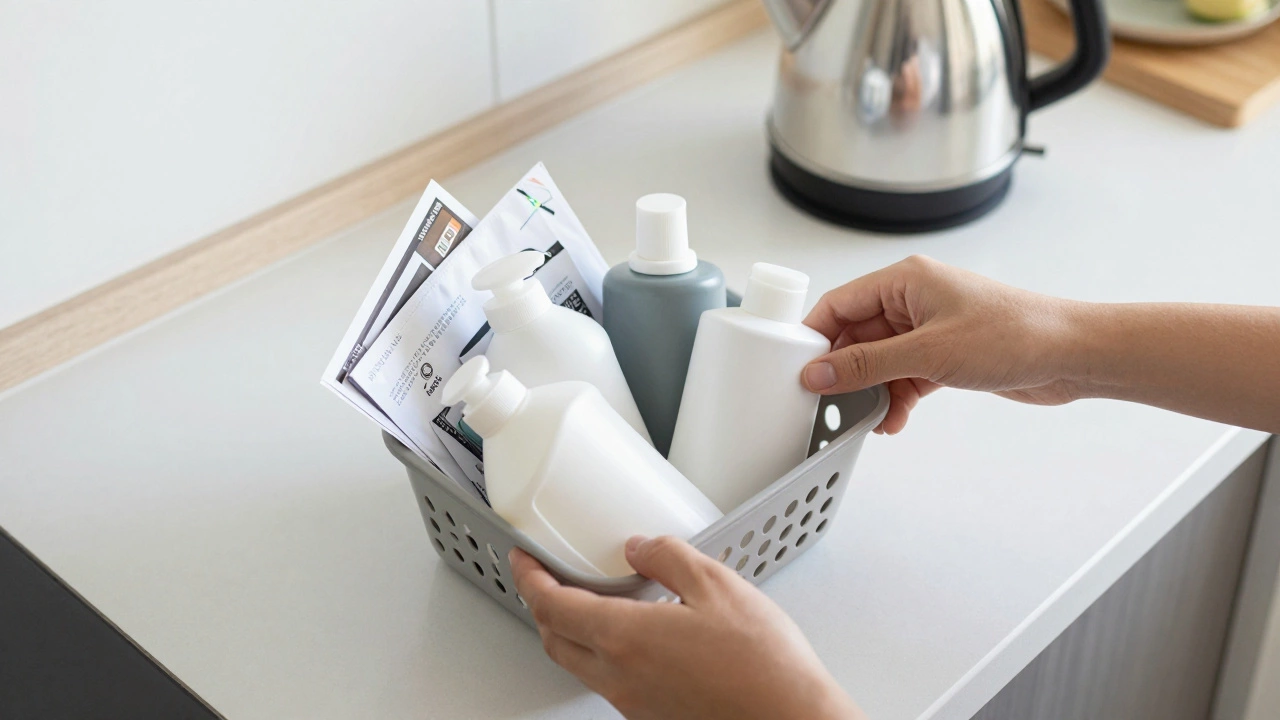
Trust is the foundation of hiring a cleaner, but caution is still wise. Even with vetted, insured professionals, accidents happen. Items get misplaced, broken, or lost in the chaos of cleaning.
Secure anything irreplaceable. This includes:
If you have children’s artwork pinned to the fridge or delicate family photos on the mantelpiece, consider taking them down temporarily. It’s not about distrust; it’s about risk management. If a cleaner accidentally knocks over a vase while reaching for a high shelf, the emotional distress isn’t worth the few minutes it takes to store it safely.
If you have pets, especially dogs or cats that are anxious around strangers, it’s best to keep them in a separate room or take them for a walk during the cleaning session. Some cleaners are pet-friendly, but others may be allergic or uncomfortable. Always check this beforehand.
For households with young children, supervision is key. While some parents leave kids in the playroom, it’s safer to have an adult present to ensure the child doesn’t wander into areas where chemicals are being used. Also, pick up small toys that could be mistaken for trash. A tiny plastic car left on the floor might end up in the bin if the cleaner is focused on speed.
| Task | Homeowner Responsibility | Cleaner Responsibility |
|---|---|---|
| Moving furniture | Small items (chairs, stools) | Large items (sofas, beds) - *if agreed* |
| Decluttering | All personal items | N/A |
| Dusting shelves | Remove books/decor | Dust the surface |
| Washing windows | Open curtains/blinds | Clean glass |
| Laundry | Put away folded clothes | Strip/make beds (optional) |
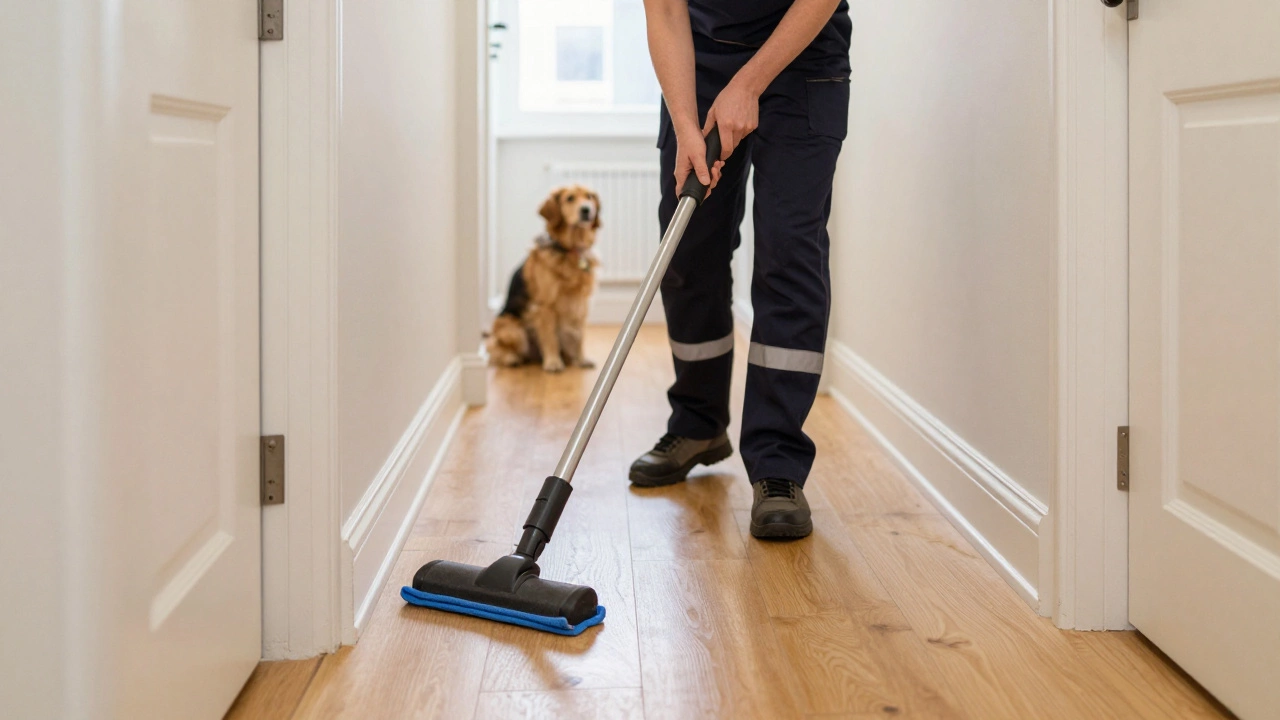
No two cleaning services are the same. Some companies include tidying in their package; others strictly clean surfaces. Before your first appointment, ask direct questions:
Setting these expectations early prevents disappointment. If you assume they will organize your junk drawer, they won’t. If you assume they will ignore the mess because it’s "too much," they might leave without cleaning properly. Clear communication ensures everyone is on the same page.
Once the cleaners leave, take five minutes to walk through the house. Did they miss a spot? Is something out of place? If you notice an issue, contact the company within 24 hours. Most reputable services offer a re-clean guarantee if you report problems promptly. Waiting a week makes it impossible to verify what happened.
Finally, tip your cleaners if you’re satisfied. In the UK, tipping isn’t mandatory, but it’s appreciated for exceptional service. A £5-£10 tip or a bottle of wine goes a long way in building a good relationship with your regular cleaning team.
Yes, it is highly recommended to secure expensive jewelry, cash, passports, and sensitive documents. While most cleaners are trustworthy, accidents happen, and items can get misplaced during deep cleaning. Storing these items in a locked drawer or safe eliminates any risk of loss or damage.
Generally, no. Most standard cleaning packages do not include washing personal dishes unless specifically requested. Your role is to clear the sink and load the dishwasher. The cleaner will then run the machine and wipe down the exterior. If you need dishwashing included, confirm this in your initial agreement.
Aim for 15-30 minutes of active tidying. Focus on picking up clutter from floors and counters. You should not spend hours cleaning yourself. If you find yourself spending more than 30 minutes prepping, you may be trying to do the cleaner's job. Stick to decluttering and let them handle the sanitation.
You can, but it is often better to leave. Many homeowners feel self-conscious watching cleaners work, which can slow them down. Additionally, being present might distract the team. If you must stay, try to give them space and avoid hovering. Leaving gives them freedom to work efficiently and thoroughly.
If your home has significant hoarding levels or extreme clutter, standard cleaners may refuse service or charge extra. In such cases, look for specialized "decluttering and cleaning" services. For regular maintenance, if you haven't cleaned in months, expect a higher fee or a longer duration. Honesty about the state of your home when booking helps set realistic expectations.