This calculator estimates potential deposit deductions based on UK landlord expectations for end-of-tenancy cleaning. Use it to understand what you need to fix before you leave.
Enter your cleaning status for each area to see potential deposit deductions.
When you’re moving out, the biggest question isn’t just how clean your house should be-it’s whether you’ll get your deposit back. Landlords in the UK don’t expect a showroom-level finish, but they do expect you to leave the property in the same condition you found it, minus normal wear and tear. If you’ve lived in a place for two years and never cleaned the oven, you’re not going to get your £500 deposit back. Here’s what actually matters.
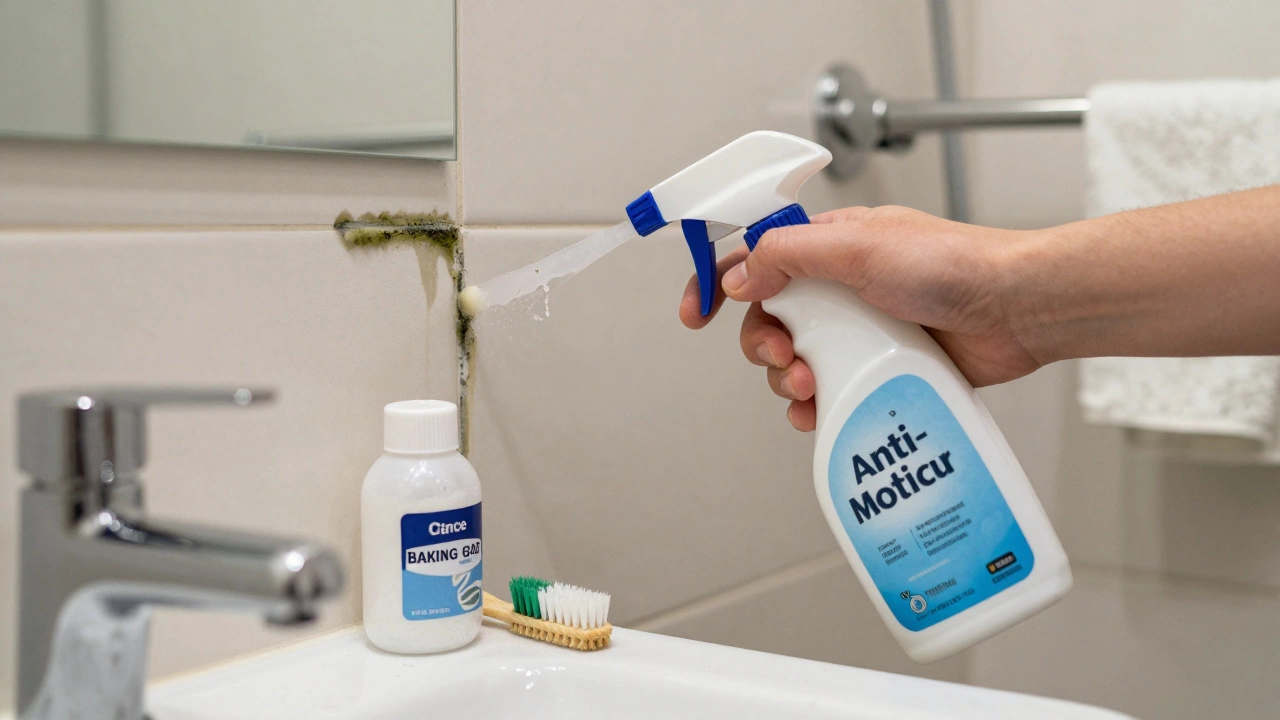
Normal wear and tear is the slow, unavoidable damage that happens over time. Faded paint from sunlight, slightly scuffed floorboards from furniture, or a few loose tiles in the bathroom? That’s fine. But grease buildup on the stove, mould around the shower seal, or holes in the walls from hanging pictures without permission? That’s your responsibility.
The UK government’s guidance for tenancy deposits says landlords can’t charge for fair wear and tear. But they can charge for damage beyond that. A carpet that’s worn thin after five years? Normal. A carpet stained with red wine you never cleaned up? That’s your bill.
Landlords and letting agents don’t inspect every square inch, but they always check these five spots:
You don’t need to clean things that are impossible to restore to brand-new condition. For example:
Don’t waste time or money on perfection. Focus on damage you caused, not things that naturally aged.
Here’s a practical, no-fluff checklist based on real landlord inspections in Brighton and across England:
Take photos before you leave. Not just the big stuff - the back of the fridge, the inside of the cupboard under the sink, the shower corner. These are your proof if the landlord tries to charge you unfairly.
If your property isn’t cleaned to standard, your landlord can deduct money from your deposit. In 2025, the average deduction for poor end-of-tenancy cleaning in England was £287. Some tenants lost over £600 for things like:
Landlords can’t charge for things they didn’t document at the start. That’s why the inventory report matters. If the inventory said the carpet was already worn, they can’t charge you for wear. But if it said the carpet was clean and stain-free, and you left it stained? You pay.
The best way to avoid a fight? Do your cleaning early and document everything.
Most deposit disputes happen because tenants assume ‘clean enough’ is good enough. It’s not. The law says you must return the property in the same condition - not ‘close enough’.
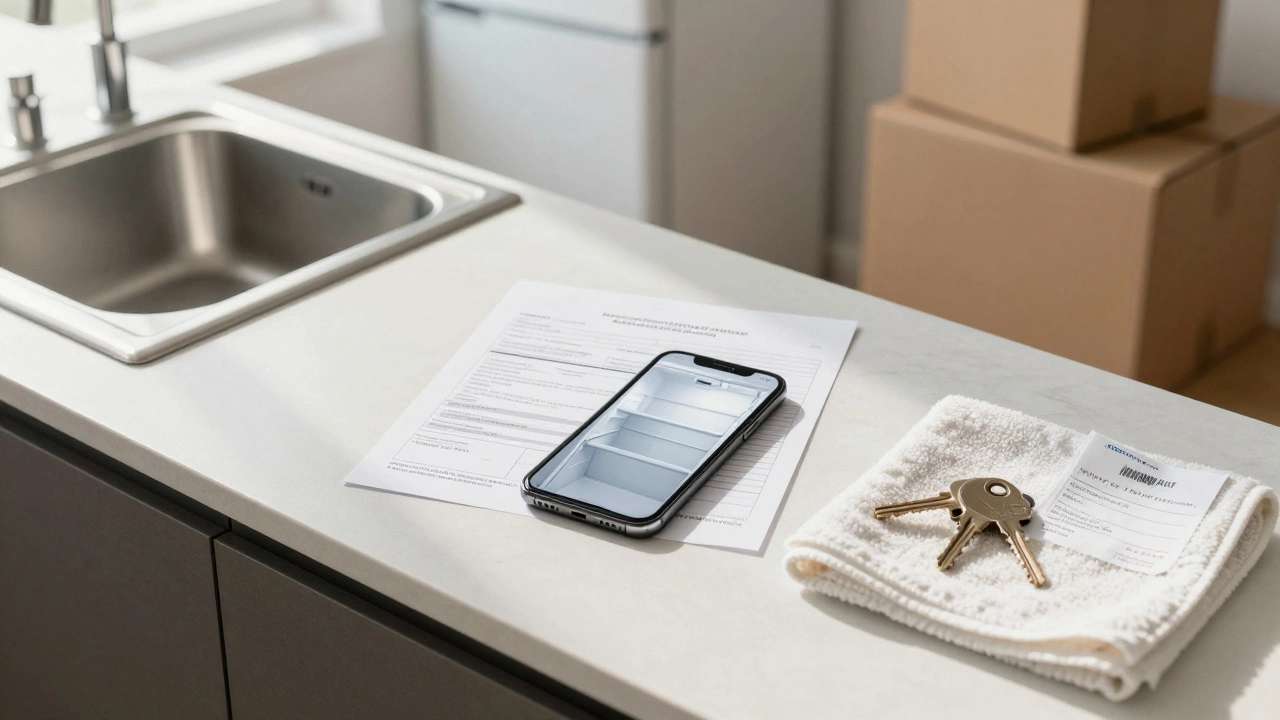
If your landlord withholds your deposit without a valid reason, you can dispute it through the Tenancy Deposit Scheme (TDS) or MyDeposits. You’ll need:
Most cases are resolved within 10 days if you have good evidence. If you don’t, you’re likely to lose. Don’t wait until the last minute to gather your proof.
Think of it this way: if you were selling your home, you wouldn’t leave a greasy oven or mouldy shower. You’d clean it because you want to make a good impression. Moving out is the same. You’re not just leaving a property - you’re leaving a reputation. And your deposit is the proof.
Do the work. Document it. Leave it spotless. Then walk away with your money in your pocket and no regrets.
Yes. Even if you didn’t use the oven much, landlords expect it to be free of grease, dust, and food residue. A quick wipe isn’t enough. Remove the racks, scrub the interior with oven cleaner, and wipe down the door and control panel. If you didn’t use it, that’s even easier - just make sure it looks like it’s been maintained.
No, if you paid for professional cleaning and have a receipt, your landlord can’t charge you again. But only if the cleaning was done properly and matches the condition of the property when you moved in. Always keep the receipt and send it to your landlord with your cleaning photos.
Not always, but if the carpet is visibly stained, smelly, or dusty, you’ll need to clean it. Most landlords expect carpets to be professionally cleaned at the end of a tenancy, especially if they were clean when you moved in. A vacuum won’t cut it. Steam cleaning removes deep dirt and allergens. If you’re unsure, hire a pro - it’s cheaper than losing your deposit.
Check your inventory report. If it says the property was dirty or damaged, you’re not responsible. If there’s no report, take photos on your first day. Without proof, your landlord can still claim you caused the damage. Always get a signed inventory at the start - it’s your legal protection.
Technically, yes - but you risk losing your deposit. Landlords don’t care why you’re in a rush. They care about the condition. If you leave grease on the hob or mould in the bathroom, you’ll pay. It’s better to spend 4 hours cleaning than 4 weeks fighting for your money.
Only if it was part of your tenancy agreement. If you had access to a garden or balcony, you’re expected to remove rubbish, clear leaves from drains, and wipe down surfaces. You don’t need to reseed the lawn or repaint the railing - unless you damaged it. Keep it tidy, not perfect.
Start now. Even if you’ve got 3 weeks left, begin with one room. Don’t wait until the last weekend. Clean the kitchen first - it’s the most likely place to cost you money. Then move to the bathroom. Take photos every step of the way. If you’re unsure about something, Google ‘UK end of tenancy cleaning standards’ and read the government’s guidance. You don’t need to be a cleaning expert - just thorough.
And remember: your deposit isn’t a gift. It’s your money. Treat it like you’re getting paid to leave the place better than you found it - because in a way, you are.