Eco-Friendly Glass Cleaner
When you reach for a bottle of eco-friendly glass cleaner, a cleaning product designed to remove dirt and grime from glass without harmful chemicals. Also known as natural glass cleaner, it’s not just about being safe for the planet—it’s about getting better results without the sting in your eyes or the smell that lingers for days. Most store-bought window cleaners are full of ammonia, alcohol, and synthetic surfactants. They work fast, sure, but they also pollute waterways, irritate lungs, and leave behind a film that attracts dust faster than you can wipe it away.
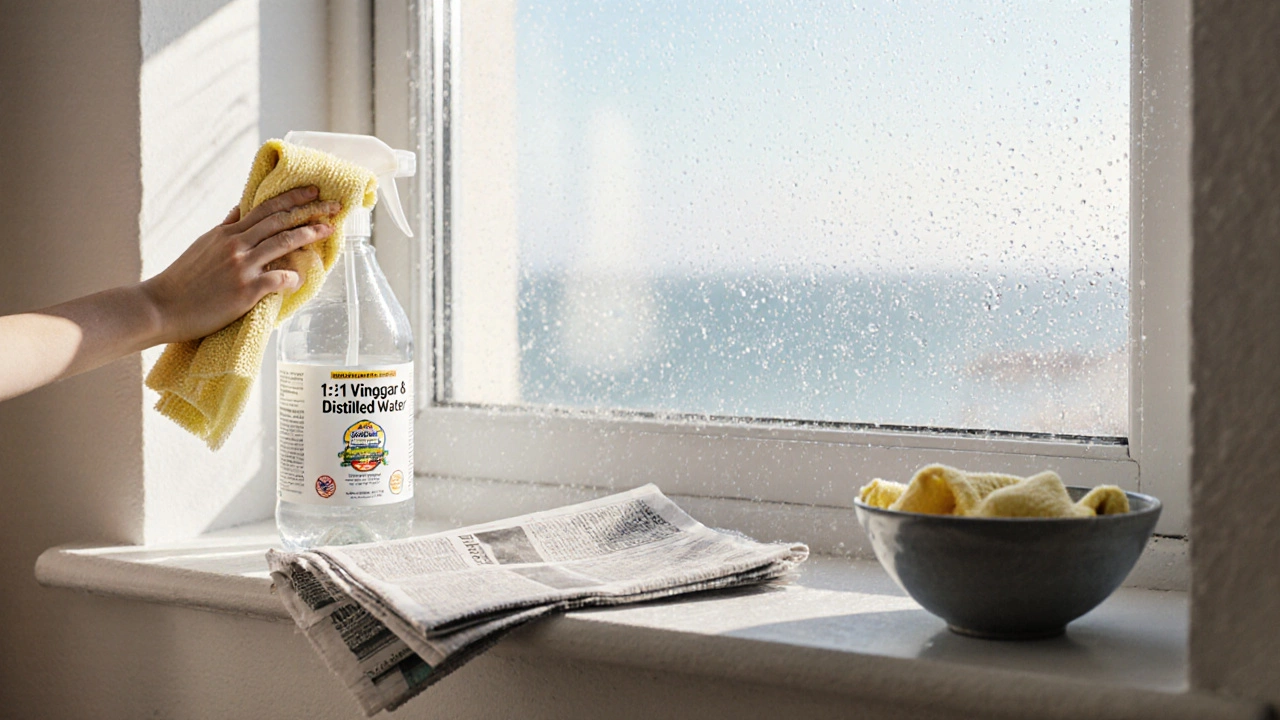
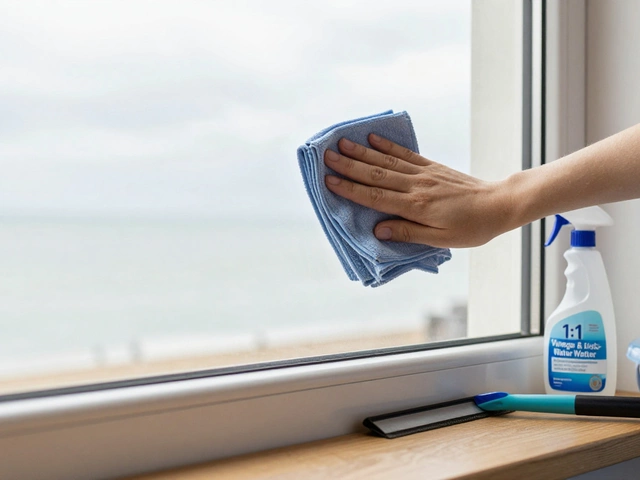
Real eco-friendly glass cleaner, a non-toxic solution made from simple, biodegradable ingredients. Also known as homemade window cleaner, it’s built on things you already have: white vinegar, water, and a splash of lemon juice or rubbing alcohol for faster drying. These ingredients break down grease and fingerprints without leaving residue. Unlike commercial sprays, they don’t contain phthalates or artificial fragrances that can trigger allergies. And here’s the kicker—when you use newspaper instead of paper towels, you get streak-free shine and cut down on waste. This isn’t a hack. It’s how people cleaned windows for decades before corporations sold us expensive bottles with flashy labels. The same principle applies to other surfaces. If you’re using a safe cleaner on your windows, why would you use something harsh on your oven or mattress? That’s why so many of the posts here focus on natural cleaning alternatives, safe, effective methods that replace chemical-based products with household items. Also known as green cleaning, it’s not about perfection—it’s about practicality. You don’t need a dozen bottles. You need one vinegar solution and the willingness to try something simpler.
What Makes an Eco-Friendly Glass Cleaner Work?
It’s not just about what’s in the bottle—it’s about what’s not in it. A true eco-friendly glass cleaner avoids chlorine, ammonia, and petroleum-based solvents. Instead, it relies on acidity (like vinegar) to dissolve mineral deposits, alcohol to evaporate quickly, and essential oils for scent without synthetic fragrances. Look for products labeled biodegradable, non-toxic, and packaged in recyclable materials. But here’s the truth: you don’t need to buy it. The best one is the one you make yourself. Mix equal parts vinegar and water in a spray bottle. Add five drops of lemon essential oil if you like the smell. Done. It costs less than a dollar, works better than most brands, and won’t hurt your kids, pets, or the local stream.
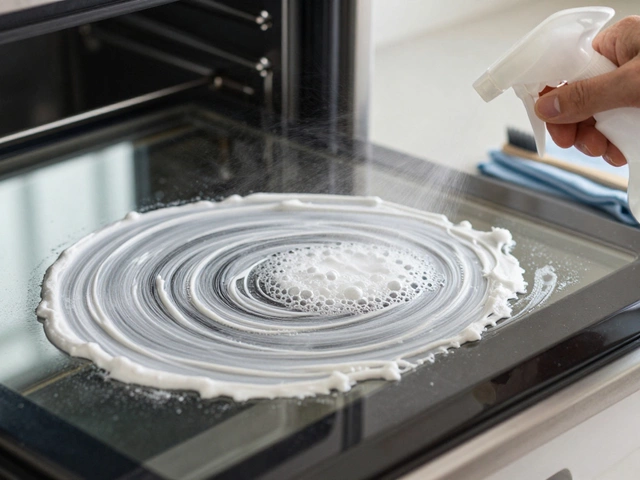
What you’ll find below isn’t just a list of articles. It’s a collection of real, tested methods that connect directly to how you clean your home—without buying into marketing hype. From how to clean windows cheaply with vinegar and newspaper, to why bleach is a bad choice for your kitchen, to how baking soda and vinegar can tackle oven grease without fumes—every post here is built on the same idea: you don’t need chemicals to get clean. Just the right know-how.