Answer these three questions to find the best cleaning strategy for your needs.
Staring at a greasy, burnt-on mess inside your oven can feel like a chore you’d rather skip. But here’s the truth: scrubbing for hours isn’t the only option. In fact, it’s often the wrong one. The fastest way to clean the inside of an oven depends on how bad the grime is and what tools you already have in your cupboard. You don’t need harsh chemicals or expensive professional services to get that glass shining again. With the right technique, you can tackle baked-on grease in under an hour.
We’ve tested every major method-from store-bought sprays to old-school baking soda pastes-to see which actually saves time without damaging your appliance. Let’s cut through the noise and look at what works best for different levels of dirt.
If your oven hasn’t seen a deep clean in months, this is your go-to strategy. It might sound slow because it involves waiting, but it requires zero elbow grease during the actual removal phase. The chemical reaction between the alkaline baking soda and acidic vinegar breaks down carbonized food particles so they wipe away effortlessly.
This method is safe for self-cleaning ovens too, as long as you don’t use the pyrolytic cycle while the paste is still inside. It’s also budget-friendly, costing less than £1 for materials.
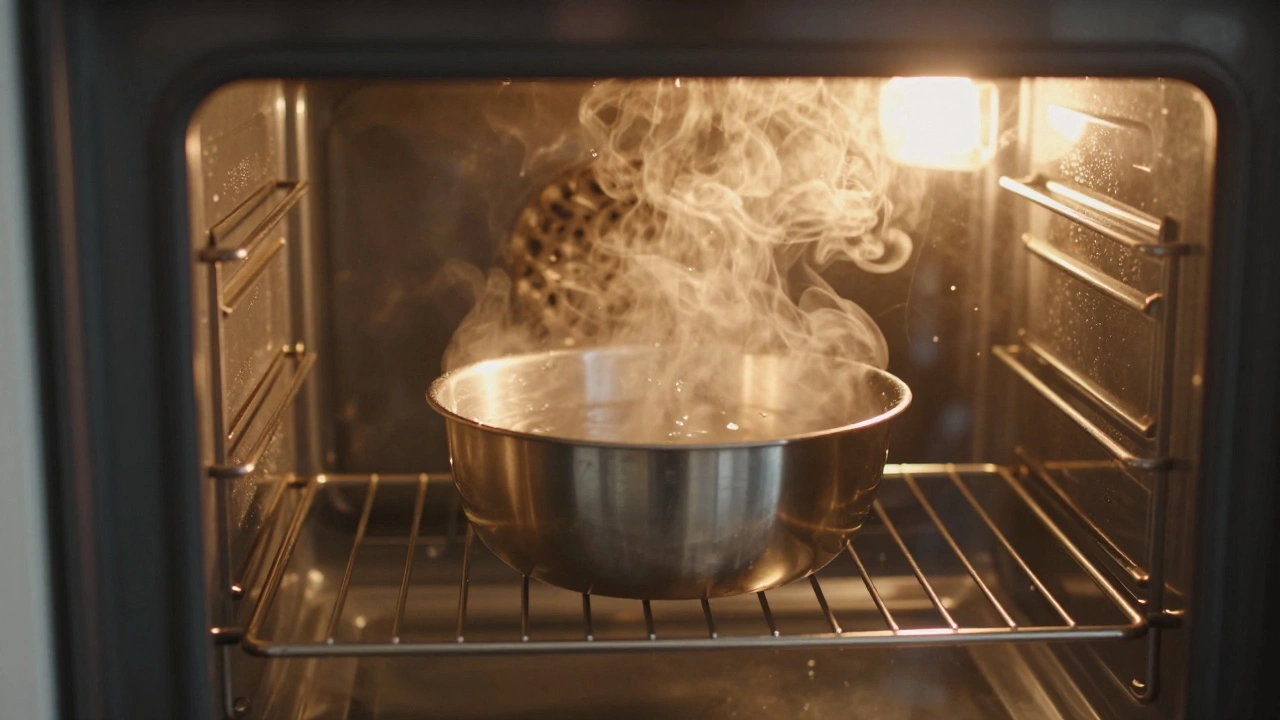
If you clean your oven regularly-say, once a month-you don’t need heavy-duty chemicals. Steam is surprisingly effective at loosening fresh grease and splatters. This is truly the fastest method if you’re dealing with recent spills rather than years of buildup.
This takes about 30 minutes total. It’s perfect for maintaining cleanliness between deeper cleans. Just be careful not to burn yourself when opening the hot door.
When speed is the absolute priority and ventilation is good, commercial degreasers like Easy-Off or similar brands deliver results quickly. These products contain strong solvents that dissolve grease on contact.
| Feature | Commercial Cleaner | Baking Soda & Vinegar |
|---|---|---|
| Cleaning Speed | Very Fast (15-30 mins) | Slow Prep, Fast Wipe (12+ hrs wait) |
| Toxicity | High (Strong fumes) | Low (Non-toxic) |
| Cost | £3 - £6 per bottle | Under £1 |
| Surface Safety | Risk of damage if left too long | Safe for all surfaces |
To use these safely, ensure your kitchen is well-ventilated. Open windows and turn on extractor fans. Apply the spray, wait the recommended time (usually 10-20 minutes), then wipe clean. Never mix these cleaners with bleach or ammonia, as dangerous gases can form.
Oven doors often accumulate smoke stains and grease that make them look yellowed or cloudy. While the interior methods above help, the glass needs special attention. White vinegar is excellent for cutting through these specific types of stains.
Spray undiluted white vinegar directly onto the inner and outer glass panels. Let it sit for five minutes, then scrub with a non-scratch pad. For tough spots, apply a paste of salt and vinegar. Salt acts as a gentle abrasive, while vinegar dissolves the grease. Rinse with water and buff dry with a lint-free cloth for a streak-free shine.
The real secret to fast oven cleaning is prevention. Here are some habits that save hours down the line:
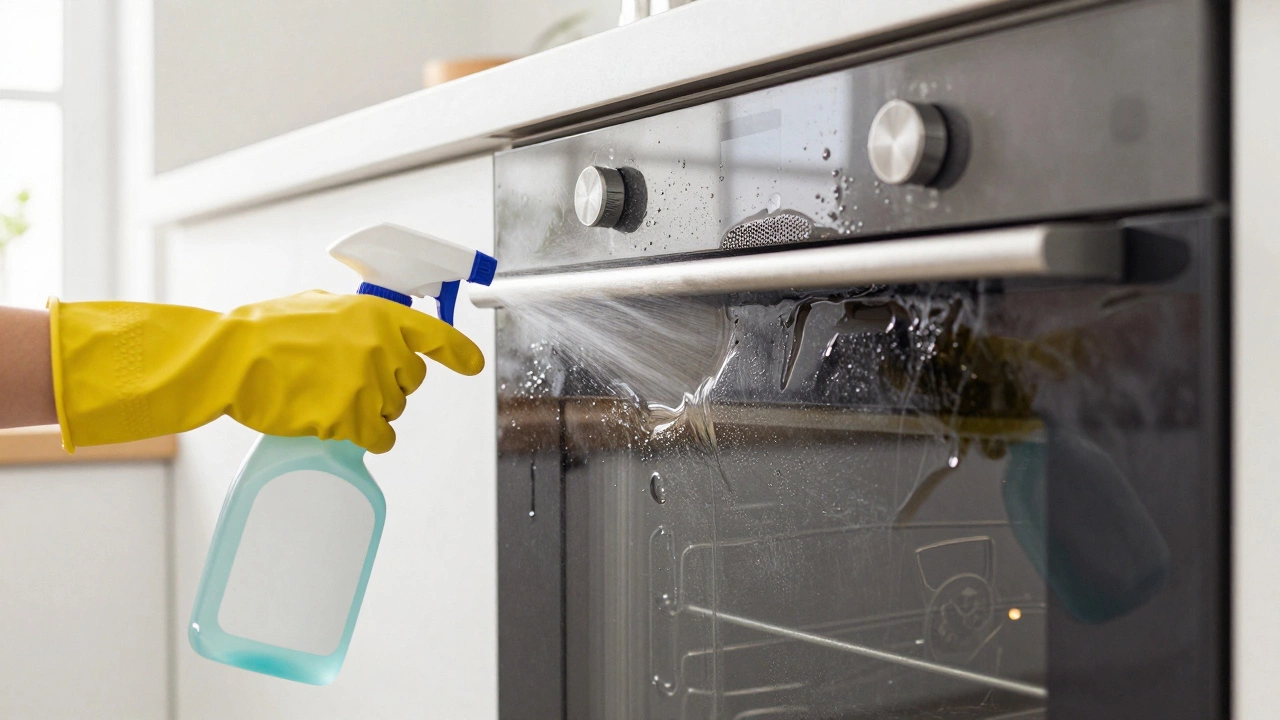
Many people rush the process and end up damaging their ovens. Avoid these pitfalls:
If your oven has been neglected for years, or if the enamel is chipped and rusting, DIY methods may not suffice. Professional cleaners use industrial-grade steam cleaners and specialized chemicals that penetrate deep into porous surfaces. They can also assess whether your oven needs repair or replacement due to safety concerns.
However, for most households, regular maintenance with baking soda or occasional commercial cleaner use is sufficient. Investing time now prevents massive headaches later.
No, you should never use bleach in your oven. Bleach reacts with other cleaning agents and food residues to produce toxic chlorine gas. It can also corrode metal parts and damage the enamel finish. Stick to baking soda, vinegar, or approved commercial oven cleaners.
For average home cooks, a deep clean every 3-6 months is sufficient. If you cook frequently with fatty foods or use the grill often, aim for every 1-2 months. Regular light wiping after each use extends the time between deep cleans.
Yes, it is perfectly safe. Baking soda is non-toxic and won’t harm your oven’s components. In fact, leaving it longer helps break down tougher grease. Just ensure the oven is cool before applying the paste.
Residual cleaning agents or trapped food particles in crevices can cause odors. Run a steam clean cycle (bowl of water heated) to neutralize smells. Ensure all soap or vinegar residues are thoroughly wiped away with clean water.
Self-clean cycles heat the oven to extremely high temperatures (up to 900°F) to incinerate grease. While effective, they consume significant energy and produce smoke. Use them sparingly, no more than twice a year, to preserve the oven’s lifespan. Always remove racks and liners before starting.